How to Fix Incomplete Combustion in Rocket Stoves
The rocket stove is a marvel of thermal engineering, designed to achieve high-temperature combustion with minimal fuel. However, many users—especially those using gravity-fed pellet systems—encounter the frustrating issue of incomplete combustion. This manifests as heavy black smoke, excessive ash buildup, “clinkers” (fused ash), and low heat output.
Incomplete combustion is not just inefficient; it is dangerous, leading to creosote buildup in flues and increased carbon monoxide risk. Whether you are using a professional indoor unit or a rugged outdoor heater from , understanding the “Fire Triangle” of a rocket stove is the key to a clean burn.
Understanding Incomplete Combustion: The Science
Complete combustion of wood pellets ideally produces:
- CO₂ + H₂O + heat + trace ash
- Bright blue-white flame
- Minimal visible smoke
Incomplete combustion occurs when there is not enough oxygen, too much fuel, poor mixing, low temperature, or insufficient residence time in the combustion zone.
Key chemical reactions that go wrong:
- Pyrolysis (400–600 °C): Pellets release volatile gases (CO, H₂, CH₄, tars) → if not burned completely → black smoke & creosote
- Char combustion (600–900 °C): Fixed carbon burns with O₂ → if O₂ insufficient → CO instead of CO₂
- CO afterburn (needs >800 °C + excess air): CO + ½O₂ → CO₂ — most rocket stoves fail here
Main causes of incomplete burn in rocket/pellet heaters:
- Poor pellet quality (high ash, high moisture, fines/dust)
- Insufficient primary/secondary air supply
- Blocked or undersized air inlets
- Clogged burn pot / ash buildup
- Incorrect chimney draft (too weak or too strong)
- Over-fueling / wrong pellet feed rate
- Low combustion chamber temperature (cold start, short burn cycles)
- Altitude effects (lower O₂ partial pressure)
- Dirty heat exchanger / flue restricting flow
- Wrong fuel-to-air ratio due to poor design or adjustment
Step-by-Step Solutions for Rocket Stove Efficiency
If your pellet stove is underperforming, follow this 2026 technical protocol to restore its efficiency.
A. Optimize the Draft (The Chimney Effect)
The “Rocket” effect depends entirely on a pressure differential.
Check the Flue Height: A rocket stove requires a minimum vertical lift to create suction. If your stove is struggling, extending the chimney by just 0.5 meters can often solve oxygen starvation.
Clear the Intake: Ensure the primary air intake (usually at the base of the pellet grate) is not blocked by ash.
B. Fuel Quality Management
In 2026, pellet quality varies by region. High-moisture pellets (above 10%) absorb heat for evaporation rather than combustion.
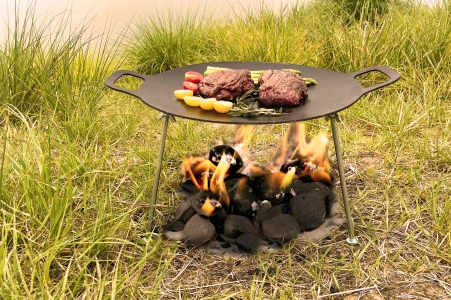
The Solution: Always store pellets in a dry environment. If you are using your stove with a campfire tripod fire pit setup outdoors, ensure the pellet hopper is sealed against morning dew.
C. Insulate the Heat Riser
If you are using a DIY or budget-grade stove, the heat riser might be uninsulated.
The Upgrade: Surround the internal chimney with perlite, vermiculite, or ceramic fiber. This forces the heat back into the flame, ensuring that even the toughest wood gases are incinerated. High-end units from come with factory-insulated risers for this reason.
Advanced Fixes & Modifications for Persistent Incomplete Burn
- Add secondary air tube — drill holes above burn pot → inject air for better gas burn.
- Install hopper agitator — prevents bridging & dust buildup.
- Use pellet dust screen — reduces fines entering burn pot.
- Upgrade to ceramic igniter — hotter start-up flame.
- Add draft inducer fan — forces air through system for better combustion.
Why Cast Iron Cookware on Top Improves Heater Safety & Performance
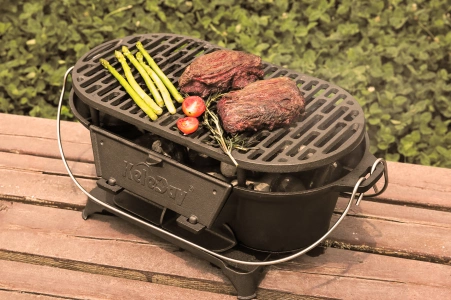
Many users place cast iron cookware (Dutch ovens, flat griddles, skillets) on top of pellet heaters for cooking. Benefits:
- Cast iron stabilizes temperature swings from incomplete burn → more even cooking
- No risk of shattering (unlike glass lids or covers)
- Adds thermal mass → heater runs more efficiently
- Pre-seasoned pieces from chinacastiron.com resist sticking even with variable heat
Popular choices:
- 5–8 qt camp Dutch oven — soups, stews, baking
- Flat griddle — pancakes, eggs, burgers
- Deep skillet — stir-fry, sautéing

Safety checklist for rocket furnace users
- CO detector — battery-backed, near sleeping areas
- Smoke detector — test monthly
- Clearance — 36 inches from combustibles
- Chimney cleaning — annually (soot/creosote buildup = fire risk)
- Pellet storage — dry, sealed, off ground
- Never leave unattended when burning
- Ventilation — open window slightly for fresh air
- Use quality pellets — low ash, low moisture
- Regular burn pot cleaning — daily/every 2–4 bags
- Cast iron cookware from chinacastiron.com for safe top cooking
Conclusion
Incomplete combustion in rocket stoves and pellet heaters is almost always fixable — usually by improving pellet quality, increasing secondary air, cleaning the burn pot, optimizing draft, and maintaining proper fuel-to-air ratio.
When combustion is clean, you get:
- Higher heat output
- Less smoke & odor
- Lower CO risk
- Longer heater life
- Better efficiency
For cooking on top of the heater, nothing beats cast iron cookware from chinacastiron.com — durable, safe, and perfectly suited to variable heat output.
References & Sources (accessed / published 2023–2026)
- EPA Residential Wood & Pellet Heater Emissions Report (2024)
- Journal of Cleaner Production (2023) — Incomplete combustion in biomass pellet stoves
- Energy & Fuels (2024) — Secondary air injection effects on rocket stove efficiency
- WHO Indoor Air Quality Guidelines (2024 update) — Combustion products & health
- Chinese GB/T 26989-2022 — Pellet heater safety & emission standards
- Pellet Fuels Institute (2025) — Pellet quality & combustion performance
- Outdoor Gear Lab & Serious Eats (2025) — Rocket stove & pellet heater tests
- r/woodstoving & r/pelletstove threads (2023–2026) — Incomplete burn troubleshooting
- Consumer Reports (2024–2025) — Pellet heater reliability & emissions
- Chinese Outdoor Cooking Community (Xiaohongshu/Douyin) — Rocket stove combustion fixes