The Ultimate Guide to Cast Iron Fire Pits: Timeless Warmth and Charm for Outdoor Living
Introduction: Rediscovering the Ancient Vessel of Flame
In an age of digital distractions and instant gratification, cast iron fire pits represent something timeless – an enduring experience that brings people together. These sturdy heaters are more than just outdoor warmers; they’re heirlooms passed down through generations, the focal point of backyard gatherings, and a source of comfort on camping trips. Unlike standard steel fire pits, cast iron fire pits offer unmatched heat retention properties, radiating deep, penetrating warmth that seeps into your bones.
This comprehensive guide explores everything you need to know about cast iron fire pits, from their historical significance to modern applications. We’ll examine different styles, proper maintenance techniques, safety considerations, and creative ways to maximize your enjoyment of these remarkable outdoor fixtures.
The Rich History and Enduring Appeal of Cast Iron Fire Pits
Cast Iron’s Origins
Cast iron was first produced in China over 2,000 years ago, valued for its durability and ability to withstand extreme heat.
Fire Pits in Human Culture
Ancient times: Stone pits contained fires for cooking and warmth.
Medieval Europe: Hearths and cauldrons for communal meals.
Modern camping: Portable, stylish, and efficient Cast Iron Fire Pits designed for safety and versatility.
Historical Significance of Cast Iron in Fire Containment
The use of cast iron fire pits dates back centuries, with roots in both Eastern and Western traditions. Ancient civilizations discovered that cast iron’s exceptional heat retention made it ideal for containing fires while radiating warmth efficiently. Early cast iron fire pits served as crucial heat sources in homes, blacksmith shops, and community gathering spaces before evolving into the decorative and functional pieces we know today.
The industrial revolution marked a turning point for cast iron fire pits, as mass production made them accessible to middle-class families. Ornate Victorian designs gave way to simpler, more functional models in the 20th century, but the fundamental appeal remained unchanged. Today, we’re experiencing a renaissance in cast iron fire pit popularity as people rediscover the unique qualities that make this material superior to modern alternatives.
Why Choose Cast Iron Over Other Materials?
When comparing cast iron fire pits to their steel, copper, or aluminum counterparts, several distinct advantages emerge:
Superior Heat Retention: Cast iron absorbs heat slowly but releases it steadily over extended periods. This means your cast iron fire pit continues providing warmth long after the flames have died down, unlike thin-walled steel pits that cool rapidly.
Exceptional Durability: Properly maintained cast iron fire pits can last for generations. The material withstands extreme temperatures without warping or deteriorating, making it ideal for frequent use. This longevity makes them a sustainable choice compared to disposable alternatives.
Natural Rust Resistance: While cast iron can rust if neglected, the material develops a protective patina over time that helps resist corrosion. This natural aging process enhances both the appearance and performance of cast iron fire pits.
Choosing the Perfect Cast Iron Fire Pit for Your Space
1.Key Considerations Before Purchase
Selecting the right cast iron fire pit requires careful consideration of several factors:
Available Space and Placement:
Measure your outdoor area carefully, ensuring adequate clearance from structures and overhanging branches
Consider proximity to seating areas – typically 6-8 feet provides optimal warmth without excessive heat exposure
Check local regulations regarding fire pit placement and usage
Ensure stable, non-flammable footing for your cast iron fire pit
Intended Use and Frequency:
Occasional social gatherings may warrant a different model than daily use
Portable vs. permanent installation decisions affect mobility and storage needs
Cooking requirements may influence accessory compatibility needs
Climate considerations impact usage patterns and maintenance requirements
2.Styles and Configurations
Traditional Bowl Designs:
Classic circular shapes with simple, elegant lines
Often feature decorative patterns or cutouts
Excellent heat radiation in all directions
Square and Rectangular Models:
Modern aesthetic with clean geometric lines
Often include built-in spark screens
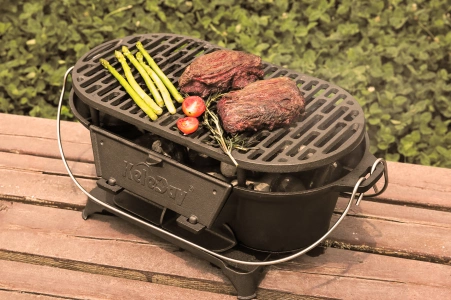
May feature cooking surfaces or grill attachments
Ideal for formal outdoor living spaces
Portable and Tabletop Options:
Smaller units for limited spaces or mobility needs
Some double as outdoor tables when not in use
Perfect for apartments, balconies, and camping
Require more frequent fueling due to smaller size
Custom and Artisanal Pieces:
Handcrafted cast iron fire pits with unique designs
Often feature personalized elements or custom sizing
Higher price point but unmatched character
May require special ordering and longer lead times
Proper Setup and Installation Techniques
1.Site Preparation and Safety Considerations
Proper installation ensures both safety and optimal performance of your cast iron fire pit:
Choosing the Right Location:
Select level ground away from structures (minimum 10-20 feet recommended)
Avoid areas with overhanging branches or dry vegetation
Consider wind patterns to minimize smoke nuisance
Ensure adequate ventilation while providing wind protection
Creating a Safe Foundation:
Use non-combustible materials like stone, brick, or concrete
Ensure proper drainage to prevent water accumulation
Consider heat-resistant mats for deck or patio installation
Verify weight capacity for elevated surfaces
2.Assembly and Initial Seasoning
Unboxing and Inspection:
Check for shipping damage or manufacturing defects
Verify all components are present according to instructions
Clean off any protective coatings before first use
Ensure proper fit of all assembled parts
Initial Seasoning Process:
Build a small fire and gradually increase temperature
Allow the cast iron fire pit to heat and cool slowly several times
This process strengthens the metal and prepares it for regular use
How to Use a Cast Iron Fire Pit
Place on a flat, heat-resistant surface.
Build fire with kindling and hardwood.
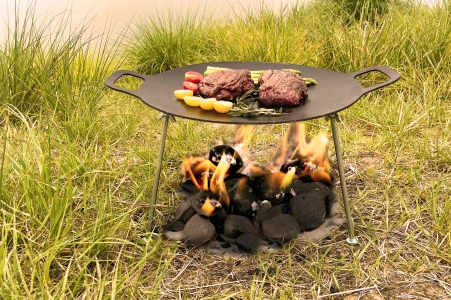
Add grill racks or cookware as needed.
Control flame with airflow adjustments.
Extinguish with water or sand after use.
Cooking with Cast Iron Fire Pits
Pairing a Cast Iron Fire Pit with outdoor cookware opens endless culinary possibilities:
Grilling: Burgers, steaks, kebabs.
Frying: Eggs, bacon, potatoes in cast iron pans.
Stewing: Soups and stews in Dutch ovens.
Roasting: Marshmallows, corn, chestnuts.
Baking: Bread and desserts inside sealed cast iron pots.
Maintenance and Care for Longevity
1.Cleaning and Protective Maintenance
Proper care ensures your cast iron fire pit provides decades of reliable service:
Regular Cleaning Procedures:
Allow the unit to cool completely before cleaning
Remove ash buildup after each use to prevent moisture retention
Use stiff brush and mild detergent for exterior cleaning
Avoid abrasive cleaners that can damage the finish
Rust Prevention and Treatment:
Apply high-temperature paint to minor rust spots
Use wire brush to remove significant corrosion
Consider professional sandblasting for extensive damage
Store covered during extended non-use periods
2.Seasonal Maintenance Schedule
Spring Preparation:
Thorough inspection for winter damage
Deep cleaning and resealing if necessary
Check and replace any worn components
Test ignition systems and accessories
Winterization Process:
Complete cleaning and drying
Apply protective coating if storing outdoors
Cover with weather-resistant materials
Store movable components indoors if possible
Safety Protocols and Best Practices
1.Fire Safety and Prevention
Operational Safety Measures:
Keep fire extinguisher or water source readily accessible
Never leave fires unattended, especially with children present
Maintain clear perimeter free of combustible materials
Establish and enforce safety rules for all users
Weather-Related Considerations:
Avoid use during high wind conditions
Be aware of drought conditions and fire bans
Have evacuation plan for unexpected weather changes
Monitor weather forecasts before lighting fires
2.Responsible Usage Guidelines
Environmental Considerations:
Use locally sourced wood to prevent pest spread
Avoid burning treated wood or hazardous materials
Be mindful of smoke impact on neighbors
Follow local air quality regulations
Community Relations:
Inform neighbors of planned gatherings
Respect noise ordinances and quiet hours
Position fire pit to minimize smoke drift
Extinguish fires completely before retiring
Cultural Significance
Across cultures, fire is a symbol of unity and storytelling. The Cast Iron Fire Pit becomes the centerpiece of outdoor gatherings, embodying warmth and hospitality.
Future of Cast Iron Fire Pits
Trends shaping the future:
Eco-friendly smokeless designs.
Hybrid fuel systems (wood + propane).
Lightweight cast iron blends for portability.
Smart fire pits with temperature sensors.
Conclusion
The Cast Iron Fire Pit is more than outdoor gear — it’s a blend of tradition, durability, and culinary potential. From cooking delicious meals to creating unforgettable evenings under the stars, it elevates every camping trip or backyard gathering.
Investing in a Cast Iron Fire Pit ensures warmth, flavor, and a lifetime of outdoor memories.