The Complete Guide to Portable Fire Pits: Your Ticket to Campfire Bliss Anywhere
When you imagine camping under the stars, backyard gatherings with friends, or even a cozy evening by the beach, one tool brings warmth, atmosphere, and cooking power together: the Portable Fire Pit. More than just a camping accessory, it is a lifestyle essential, combining convenience, safety, and tradition in a single piece of gear.
This 6,000-word guide explores everything about Portable Fire Pits — from their origins and materials to cooking techniques, safety guidelines, recipes, comparisons, and future innovations. Whether you are an outdoor adventurer, a casual backyard host, or a survival enthusiast, this guide will show you why a Portable Fire Pit deserves a permanent spot in your gear collection.
Understanding Portable Fire Pit Types and Technologies
1.Fuel Source Options: Finding Your Perfect Match
The fuel type fundamentally determines your portable fire pit experience:
Wood-Burning Models:
Deliver authentic campfire experience with crackling sounds and wood smoke aroma
Require firewood sourcing and produce ash cleanup
Typically offer the highest heat output
May be restricted during fire bans
Propane-Powered Units:
Instant ignition with precise flame control
Clean-burning with no ash or spark concerns
Fuel canisters readily available at outdoor stores
Often permitted when wood fires are prohibited
Lack traditional wood fire ambiance
Dual-Fuel Designs:
Maximum flexibility for different situations
Convert between wood and propane as needed
Higher initial cost but greater versatility
Ideal for diverse camping conditions
Bioethanol Options:
Eco-friendly, renewable fuel source
Virtually smokeless and odorless
Minimal cleanup requirements
Lower heat output than other options
2.Size and Portability Considerations
Ultralight Backpacking Models:
Weigh under 5 pounds with compact folding designs
Minimalist approach focusing on basic fire containment
Ideal for solo adventurers and weight-conscious backpackers
Often sacrifice cooking capability for weight savings
Mid-Size Recreational Units:
Balance portability with functionality (10-20 pound range)
Typically include cooking surfaces and spark screens
Suitable for car camping and backyard use
Large Group/Entertainment Models:
Designed for social gatherings rather than backcountry use
May feature wheels or carrying cases for transport
Often include accessory hooks and cooking attachments
History of Fire Pits and Portability
Ancient origins: Fire pits dug into the ground for survival.
Medieval cooking: Stone hearths and cast iron cauldrons.
Industrial age: Metal fire pits became popular for urban gardens.
Modern camping: Foldable, durable Portable Fire Pits designed for mobility and convenience.
Advantages of Portable Fire Pits
Why should you choose a Portable Fire Pit?
Portability: Easy to pack and transport.
Safety: Contained design reduces wildfire risks.
Versatility: Cooking, heating, and ambiance in one.
Durability: Made from strong metals like cast iron or steel.
Aesthetic appeal: Adds rustic or modern charm to outdoor spaces.
Advanced Cooking with Your Portable Fire Pit
1.Culinary Applications Beyond Basic Grilling
The right portable fire pit transforms into a complete outdoor kitchen:
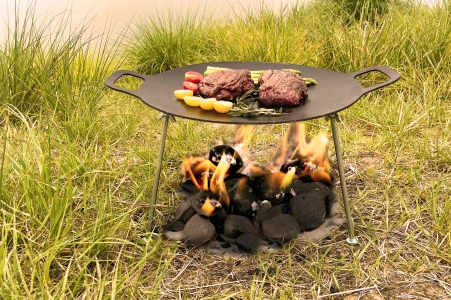
Direct Flame Cooking:
Traditional grilling over open flames
Best for quick-cooking items like burgers and vegetables
Requires adjustable grill grates for temperature control
Ash and Ember Cooking:
Baked potatoes and foil-wrapped meals cooked in coals
Perfect for low-temperature, slow cooking
Creates moist, flavorful results without burning
2.Specialized Cooking Techniques
Rotisserie Cooking:
Some portable fire pit models accommodate rotisserie attachments
Perfect for evenly roasted meats and poultry
Creates impressive presentation for gatherings
Requires stable, heavy-duty fire pit construction
Smoking and Slow Roasting:
Wood-burning portable fire pit units naturally impart smoky flavor
Add wood chips to propane models for similar effect
Low-temperature cooking over several hours
Excellent for tough cuts like brisket and pork shoulder
Safety Protocols for Portable Fire Pit Usage
1.Site Selection and Preparation
Location Safety Assessment:
Clear 15-foot radius of flammable materials
Avoid overhanging branches and structures
Check ground slope and stability
Consider wind direction and speed
Surface Protection:
Use provided heat shields or purchase separately
Fire-resistant mats for deck or grass protection
Mineral soil or stone bases in natural areas
Never place directly on combustible surfaces
2.Operational Safety Measures
Fire Management:
Keep fires manageable and contained
Have water or fire extinguisher readily available
Never leave fire unattended
Establish safety perimeter, especially with children
Fuel Safety:
Store fuel canisters away from heat sources
Check connections for leaks before igniting
Follow manufacturer’s guidelines for your specific portable fire pit
Properly dispose of ash and spent canisters
Maintenance and Storage Best Practices
1.Cleaning Procedures by Fuel Type
Wood-Burning Unit Maintenance:
Allow complete cooling before handling
Remove ash using metal container with lid
Wipe interior with damp cloth once cooled
Check for creosote buildup in chimney models
Propane System Care:
Inspect hoses and connections regularly
Clean burner ports with appropriate tools
Protect connections from dirt and moisture
Store canisters separately from the unit
2.Off-Season Storage
Preparation Steps:
Thorough cleaning and complete drying
Inspection for needed repairs or replacements
Lubrication of moving parts if applicable
Application of protective coatings if recommended
Storage Conditions:
Dry, temperature-controlled environment
Protective cover or case to prevent damage
Elevated storage to avoid moisture contact
Separate storage of fuel components
Cooking with Portable Fire Pits
With a Portable Fire Pit, outdoor meals become easy and exciting:
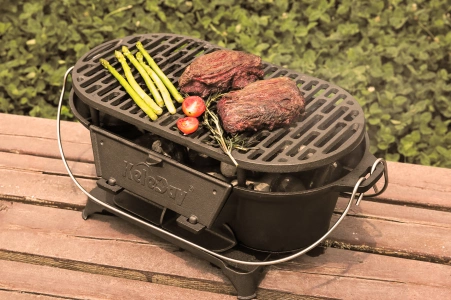
Grilling: Burgers, steaks, vegetables.
Frying: Eggs, bacon, pancakes with cast iron pans.
Slow cooking: Stews and chili in Dutch ovens.
Baking: Bread, pizza, and desserts.
Roasting: Marshmallows, corn, and kebabs.
Fire-Building Techniques
Teepee fire: Great for quick heat.
Log cabin fire: Long-lasting flames.
Star fire: Efficient fuel consumption.
Dakota fire hole: Wind-resistant option.
These methods maximize the effectiveness of a Portable Fire Pit.
Environmental Considerations and Leave No Trace
1.Minimizing Ecological Impact
Fire Scar Prevention:
Use existing fire rings when available
Elevated designs that don’t scorch ground
Avoid areas with delicate vegetation
Practice proper ash disposal techniques
Fuel Sourcing Responsibility:
Use local firewood to prevent pest spread
Purchase certified sustainable wood products
Consider alternative fuels in sensitive areas
Follow all area-specific regulations
2.Sustainable Practices
Low-Impact Operation:
Keep fires small to conserve fuel
Use dead and downed wood when permitted
Extinguish completely before departure
Pack out all trash and non-burnable materials
Community Consideration:
Be mindful of smoke impact on neighbors
Respect quiet hours and noise ordinances
Share fire pit resources when camping with others
Educate fellow outdoor enthusiasts on best practices
Conclusion
The Portable Fire Pit is a cornerstone of modern outdoor life. It blends tradition with innovation, offering warmth, cooking potential, and atmosphere in a compact, mobile form. Whether paired with Cast Iron Cookware, a Camping Gas Stove, or a Grill Pan, it ensures every adventure is warm, flavorful, and memorable.
Investing in a high-quality Portable Fire Pit means investing in countless nights of laughter, meals, and shared memories under the stars.