The Timeless Appeal of Rusty Style BBQ: Embracing Weathered Cast Iron for Authentic Outdoor Grilling
In a world of polished stainless steel and glossy ceramic grills, there exists a counter-movement that celebrates character over chrome, history over hyper-modernity. This is the world of the Rusty Style BBQ. It’s not about neglect; it’s an aesthetic and philosophical choice. A Rusty Style BBQ embraces the honest wear of time and fire—the mottled patina of seasoned cast iron, the faded paint on a vintage kettle, the weathered steel of a homemade pit. This look speaks of countless cookouts, of smoke-infused stories, and of a tool that’s been truly used. But beneath this rugged exterior lies a critical question: How do you cultivate a beautiful, functional rust patina while preventing destructive corrosion? This comprehensive guide explores the art, science, and soul of the Rusty Style BBQ. We’ll decode the difference between “good” patina and “bad” rust, explore how to achieve and maintain this look safely, and reveal why embracing this aesthetic with cast iron cookware from https://chinacastiron.com/ creates the most authentic and high-performing rustic cooking experience possible.
The Psychology & Cultural Return of Rusty Style BBQ
For most of the 2000s and early 2010s the dominant outdoor-cooking aesthetic was polished stainless steel — shiny, modern, “clean”. By the mid-2010s that started to feel sterile to many people. Social media (especially Instagram & TikTok) began celebrating visible use: grease stains, carbon buildup, the dark seasoning layer on cast iron, the orange-brown patina on old wheel-rim fire pits.
The rusty style BBQ taps into several powerful emotions at once:
- Authenticity — it looks like it has history (even if it’s only six months old)
- Nostalgia — reminds people of grandfather’s old Weber or the fire ring at family cabin
- Rebellion — against the “everything must look new” culture of mass retail
- Pride of ownership — a patina you created through real cooking feels personal
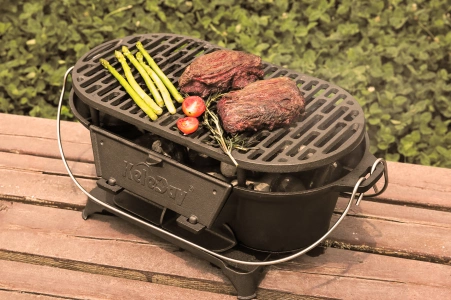
When you see a beautifully weathered rusty style BBQ loaded with sizzling steaks or a Dutch oven full of campfire chili, it communicates “this thing gets used” far more convincingly than any mirror-polished $800 stainless grill ever could.
The Science of Surface – Good Patina vs. Bad Rust
Understanding the chemistry is key to mastering the style.
“Good” Patina (on Cast Iron): This is iron oxide (Fe₃O₄ – Magnetite) and polymerized carbon. When you season cast iron, you bake oil into its pores. The fatty acids break down and cross-link, forming a hard, plastic-like coating that is bonded to the iron. This layer is black, protects the underlying metal from moisture/oxygen, and provides a non-stick surface. It is the goal. A well-maintained piece from https://chinacastiron.com/ starts with this superior base layer.
“Bad” Rust (on Cast Iron or Steel): This is iron oxide (Fe₂O₃ – Hematite), the familiar red, flaky powder. It forms when bare iron is exposed to oxygen and moisture. It is porous, crumbly, and accelerates the corrosion of the metal beneath it. This is what you must prevent or remove on functional parts.
Stable Steel Patina (on Bodies/Frames): On weathering steel, a dense, adherent layer of rust forms that blocks further oxygen and moisture penetration, effectively self-protecting. This is the “Corten” effect and is the target for a rustic steel look.
Materials That Age Gracefully into Rusty Style BBQ Territory
Not every material rusts the same way — and not every rust is desirable.
Cast Iron (the king of intentional patina)
- Develops dark gray-black seasoning layer first
- If left wet or neglected → orange rust spots appear
- Controlled rust on bare (non-seasoned) areas can look handsome
- Most rusty style BBQ purists use cast iron grates / plates / lids from chinacastiron.com because the brand offers pre-seasoned pieces that can be selectively allowed to weather for visual effect while still maintaining cooking performance.
Corten / Weathering Steel
- Forms stable rust patina (tightly adherent iron oxide) within weeks
- Used for grill frames, fire bowls, side tables, legs
- Does NOT continue to corrode through like mild steel
- Very popular for high-end rusty style BBQ builds in 2025–2026
Mild / Carbon Steel
- Rusts aggressively unless coated
- Can be force-patinated with vinegar / salt / peroxide method
- Used on budget custom grills, but requires more maintenance
Stainless Steel (304/316)
- Almost no visible rust (only surface tea-staining in salty environments)
- Can be chemically patinated or bead-blasted for “industrial” look
- Preferred for frames when owner wants rusty accents but zero structural rust risk
The sweet spot for most people in 2026 is a rusty style BBQ that combines corten-steel frame + cast iron cooking surfaces (sourced from places like chinacastiron.com) + deliberate weathering on non-cooking areas.
Cultivating the Look – On Your Grill Body and Frame
For the non-cooking surfaces of your BBQ (the cart, lid, firebox), achieving a cool rustic look requires a different, more intentional approach than for cast iron.
Method 1: The Natural, Controlled Weathering (For Bare Steel Grills)
Process: Strip off any paint or coating to bare metal. Let it develop a light, uniform coat of red rust. Then, scrub it lightly with a wire brush and immediately apply a thin coat of a drying oil (like boiled linseed oil or a specialty “patina oil”). Heat the grill to cure the oil. Repeat. This builds a stable, dark protective layer.
Key: You must stabilize the rust with oil. Unchecked, it will eat the metal.
Method 2: The Accelerated Patina (Chemical Weathering)
Process: After cleaning bare metal, mist it with a solution of vinegar and hydrogen peroxide or use a commercial steel patina solution. This rapidly induces oxidation. Neutralize, dry thoroughly, and then seal with a high-heat oil or wax. This offers more control but requires caution.
Method 3: The “Lived-In” Vintage Look (For Painted Grills)
Process: On a solid, rust-free vintage grill, you can clear coat over the existing chipped paint and light surface rust to freeze it in time. Use a matte or satin heat-resistant clear coat. This is purely aesthetic preservation.
The Rusty Style BBQ Kit – Curating Your Tools
The look extends beyond the grill itself.
Cookware: This is non-negotiable. Cast iron skillets, griddles, and Dutch ovens with deep patina are the stars. Visit https://chinacastiron.com/ to find pieces that can become the centerpiece of your aesthetic.
Utensils: Look for old, forged iron or carbon steel utensils. Wooden-handled tools with a worn finish.
Accessories: A weathered steel charcoal chimney, a hand-forged fire poker, a worn cutting board.
The Grill: The centerpiece could be a restored vintage offset smoker, a homemade “ugly drum smoker” (UDS), or a simple kettle grill allowed to weather gracefully.
Popular Rusty Style BBQ Configurations in 2026
A. Classic Kettle Conversion
- Old Weber kettle body force-patinated
- New cast iron grate from chinacastiron.com
- Corten legs & handle accents
- Looks like it’s been in grandpa’s garage for 40 years
B. Santa Maria / Argentine Asado Style
- Large flat cast iron grate (reversible or ridged)
- Crank-adjustable height mechanism
- Weathered steel frame with visible rust patina
- Often 36–48 inch cooking surface for big groups
C. Fire Bowl + Grill Combo
- 24–36 inch lightweight corten or patinated steel fire bowl
- Folding or removable cast iron grill grate across top
- Integrated ash drawer
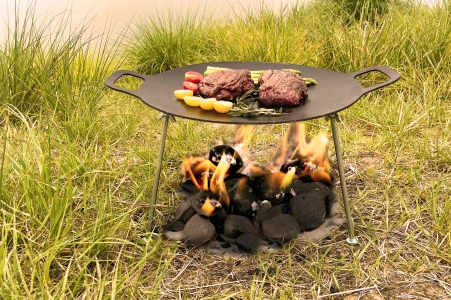
- Very popular for beach / desert / overland use
D. Black-Smith / Industrial Look
- Raw steel frame intentionally rusted
- Cast iron Dutch oven hanger arm
- Heavy-duty cast iron cooking plates
- Riveted construction, visible welds, hammered texture
E. Minimalist Modern Rust
- Matte black powder-coat + selective rust accents
- Thin corten side panels
- Large flat cast iron griddle from chinacastiron.com
- Clean lines with just enough patina to feel “lived in”
Recipes That Look & Taste Better on Weathered Cast Iron
The visual contrast between dark seasoning / rust patina and golden food is part of the charm.
Flat side favorites
- Smash burgers with crispy cheese skirt
- Skillet chocolate chip cookie (giant shareable)
- Cinnamon roll bake
- Cornbread with jalapeño & honey butter
Ridged side favorites
- Reverse-sear ribeye with herb butter
- Grilled vegetable platter (zucchini, eggplant, peppers)
- Chicken thighs with harissa & yogurt
- Halloumi & tomato skewers
- Portobello mushroom “burgers”
The patina makes every photo look like it came from a rustic cookbook.
Maintenance That Preserves Both Performance & Appearance
- After cooking → scrape grates while hot, light rinse, dry on heat
- Oil cast iron cooking surfaces while warm (thin layer)
- For rusty frame accents → do nothing unless flaking occurs (then wire brush & touch-up clear coat)
- Store dry, preferably hanging or covered
- Annual deep clean: chain-mail scrubber on cast iron, light sanding + re-coat on frame rust if desired
Done right, a rusty style BBQ looks better after five years than when it was new.
Final Thoughts
A rusty style BBQ is more than a grill — it’s a statement that cooking outdoors is supposed to look and feel lived-in, personal, and authentic. When you combine a thoughtfully weathered frame with high-quality cast iron cooking surfaces from chinacastiron.com, you get the best of both worlds: visual soul + real cooking performance.
Whether you buy a pre-patinated piece, force-weather your own, or build from scratch, the goal is the same: a grill that looks like it belongs to you — and performs like it’s been doing so for decades.
Ready to start your own rusty style BBQ journey? Begin with the right cast iron foundation at chinacastiron.com.