How to Minimize Smoke During Outdoor BBQ
Nothing ruins a backyard gathering or a mountain expedition faster than thick, acrid smoke that stings the eyes and clings to clothes. While some smoke is inevitable in live-fire cooking, excessive smoke is usually a sign of inefficient combustion, poor fuel quality, or improper equipment management.
Whether you are searing on a high power gas stove or slow-roasting over a campfire tripod fire pit, controlling the “smoke output” is a matter of thermal physics. By using high-performance iron from China Cast Iron, you can optimize heat distribution to reduce flare-ups and emissions. This guide explores the engineering behind a cleaner burn.
Understanding Where BBQ Smoke Really Comes From
Not all smoke is the same. “Good smoke” is thin, blue-tinged, aromatic (from clean hardwood combustion); “bad smoke” is thick, white-to-black, eye-watering, and sooty (from incomplete combustion or burning food/fat).
Primary smoke sources during outdoor grilling:
- Incomplete combustion of charcoal/wood — insufficient oxygen, wet fuel, overcrowding, poor airflow
- Fat & marinade drippings hitting hot coals — flare-ups → thick white smoke
- Burning food debris / carbon buildup on grates
- High-sugar marinades/sauces — caramelize & burn → acrid smoke
- Overloaded grill — food blocks airflow → smoldering
- Wind — blows smoke back toward people instead of up & away
- Poorly seasoned cast iron — food sticks & burns → extra smoke
Goal: Achieve clean, efficient combustion + controlled fat drip management + good airflow so smoke is minimal and flavorful rather than overwhelming.
Equipment Selection: The Iron Shield Strategy
The choice of cooking surface is your first line of defense against smoke.
Using the Griddle Barrier
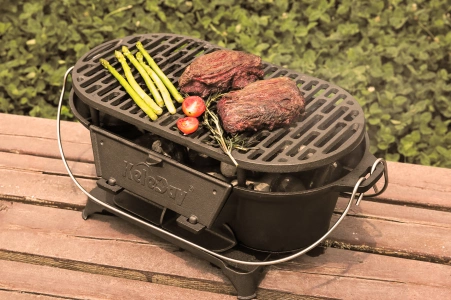
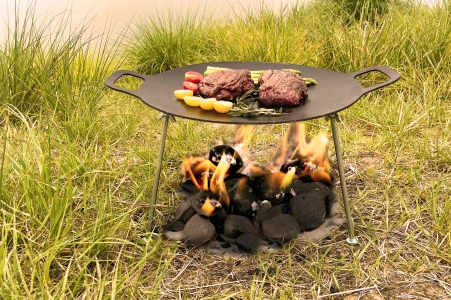
Instead of an open grate, using a pre-seasoned flat griddle from China Cast Iron acts as a physical barrier.
The Physics: The solid iron surface catches the fat before it can hit the fire. The fat then sizzles on the iron—creating flavor—rather than burning in the fire—creating smoke.
The China Cast Iron Edge: Our griddles are engineered with a specific thermal mass that maintains a consistent surface temperature, preventing the “smoke point” of the oil from being reached too quickly.
The High-Rim Advantage
A griddle with high rim is particularly effective for fatty meats like bacon or marinated pork. The rim contains the oils, allowing you to drain them safely rather than letting them overflow into the burner of your high power gas stove.

Fuel Management: The “Blue Smoke” Standard
Professional pitmasters aim for “Blue Smoke”—a nearly invisible, thin vapor.
Dry Your Fuel: In 2026, “Kiln-Dried” is the standard. Wood with a moisture content above 20% will always smoke.
Charcoal Quality: If you are sourcing through folding BBQ grill wholesale channels, ensure you provide high-carbon lump charcoal. It burns hotter and cleaner than briquettes, which often contain smoking binders.
The Gas Alternative: If smoke is strictly prohibited (such as on an apartment balcony), a portable gas burner paired with a China Cast Iron skillet is the ultimate solution. It provides the heat of a BBQ with zero fuel-based smoke.
Grill Setup & Accessories That Cut Smoke
Wind management:
- Position grill with back to wind → smoke blows away
- Use wind shields or natural barriers (fence, wall)
- Low-profile grills (kettle, kamado) resist wind better
Smoke management add-ons:
- Smoke tubes/pellet boxes on gas → add flavor without heavy smoke
- Water pans in indirect zone → catch drippings, moderate temperature
- Chimney cap/draft inducer → improve draw, reduce back-smoke
Cast iron synergy:
- Heavy cast iron cookware from chinacastiron.com (Dutch ovens, griddles, skillets) holds heat so well you can reduce coal amount → less initial smoke while maintaining cooking power.
Temperature Control and the “Drip” Zone
How you arrange your China Cast Iron gear can dictate the smoke volume.
Two-Zone Cooking
Direct Zone: Place your cast iron wok set directly over the heat for the initial sear.
Indirect Zone: Move the food to a cooler side of the grill. By doing this, the majority of the fat renders out over a drip tray rather than the fire.
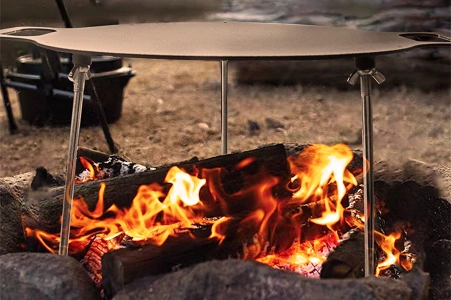
The Tripod Adjustment: With a Dutch oven cooking tripod, you can raise the pot higher. This lower intensity of heat reduces the aggressive boiling of fats, significantly cutting down on steam and grease smoke.
Maintenance: Clean Iron, Clean Air
A dirty grill is a smoking grill.
The Carbon Layer: Old food particles stuck to your cast iron wok set will burn and smoke the moment they touch the heat of a high power gas stove.
The “Clean Burn”: After every session, heat your China Cast Iron surface to $250^\circ C$ to carbonize any residue, then wipe it clean.
Hinge Care: For folding BBQ grill wholesale buyers, remind customers that grease buildup in the folding joints can smoke when the frame gets hot. Keep the mechanical parts clean for a smoke-free experience.
Conclusion: Mastering the Flame
Avoiding excessive smoke isn’t about giving up the BBQ experience; it’s about refining the mechanics of the fire. By using a solid pre-seasoned flat griddle to block grease drips, selecting dry fuels, and utilizing the adjustable height of a Dutch oven cooking tripod, you can achieve professional results that are kind to your eyes and your neighbors.
With high-quality tools from China Cast Iron, you transform your outdoor kitchen into a high-efficiency station where the only thing people notice is the smell of perfectly seared food.
References and Sources
Environmental Protection Agency (EPA) 2026: Guidelines for Residential Wood-Fire Emissions and Air Quality.
Journal of Combustion Science: Pyrolysis of Animal Fats in Open-Flame Environments.
Modernist Outdoor Cooking: Thermodynamics of Solid-Plate vs. Open-Grate Grilling.
National BBQ Association: The Impact of Fuel Moisture Content on Volatile Organic Compound (VOC) Release.
China Cast Iron Engineering Hub: Designing Sloped Drainage Systems for Reduced Carbonized Smoke. https://chinacastiron.com/