In the field of outdoor culinary gear, lightweight portable cookware frequently trades long-term durability for compact size. Many mass-market camping pots use thin-gauge metal that warps after repeated exposure to intense campfire heat, failing to maintain consistent temperature during long slow cooks. This widespread consumer experience has created a common assumption: lightweight outdoor cookware cannot deliver reliable cooking performance over wood fires.
Modern advances in metal casting have overturned this assumption. Manufacturers specializing in heavy-duty outdoor cookware, such as chinacastiron.com, refine casting formulas and structural geometry to build rugged cast iron camping pot designs built specifically for open-flame environments. This article breaks down the material engineering, structural design, practical limitations, and commercial sourcing considerations of cast iron camping pot, evaluating how it performs against conventional camping cookware.
Thermal Mass: The Core Advantage of Cast Iron for Campfire Cooking
Heat retention defines the performance of any pot used over an open campfire. Thin aluminum or steel pots heat up quickly, but they also lose temperature instantly when flames shift or fuel burns down. Cast iron operates differently. Its dense material structure absorbs radiant heat from burning wood and releases it slowly and evenly across the whole cooking surface.
This stable heat profile makes the cast iron pot ideal for low-and-slow recipes: stews, beans, braised meats, and simmered soups. There are no sudden hot spots that burn food, even when the fire fluctuates. Campers can set the pot over embers and leave it unattended for extended periods without constant fire tending. For group camping or multi-hour wilderness meals, this consistent thermal performance is a major advantage over lightweight alternatives.
Structural Design Built for Wilderness Fire Pits
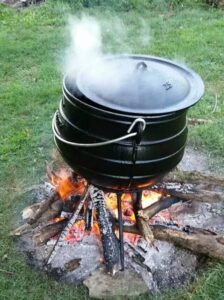
This camping cast iron pot integrates three key engineered features: tripod support legs, a heavy-duty swing handle, and a fitted cast iron lid. The three legs elevate the pot body above burning logs and embers, maintaining steady airflow beneath the vessel. This design prevents the base from becoming buried in ash and reduces the risk of tipping when campers rearrange firewood.
The curved swing handle is cast with reinforced connection points. It can be hooked onto hanging tripods or simply gripped with heat-resistant gloves to move the pot. The matching lid traps steam inside, shortening cooking times and locking in moisture for tender food. The rounded, ribbed pot body increases total usable volume while improving structural rigidity, reducing the risk of cracking under rapid temperature swings.
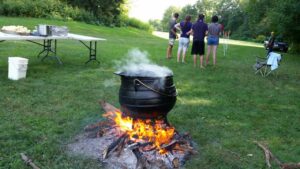
Even with careful engineering, this design carries inherent tradeoffs. High density cast iron brings substantial weight. For backpackers carrying gear for miles on foot, the heavy cast iron cookware adds significant load. The material also requires routine seasoning and maintenance. Without proper oil treatment after use, exposed cast iron will rust quickly in damp forest or coastal camping environments. These limitations do not make it a bad product, but they define the use cases where it excels: car camping, base camps, backyard fire pit gatherings, and group outdoor events.
Material Standards & Long-Term Service Life
Quality cast iron camping pot is manufactured from high-grade grey cast iron, poured into precision molds and pre-seasoned with food-safe vegetable oil at the factory. Proper pre-seasoning creates a natural polymerized oil layer that acts as a non-stick barrier, eliminating the need for chemical non-stick coatings that degrade under high fire heat. Cheap unseasoned cast iron will require multiple rounds of home seasoning before first use, a detail wholesale buyers should verify when selecting suppliers.
When maintained correctly, cast iron cookware offers decades of service life. Unlike coated pots that fail once the surface peels, a well-cared-for cast iron pot can be re-seasoned repeatedly to restore its cooking surface. For outdoor retailers and bulk importers, this long product lifespan builds strong customer loyalty and positive review rates.
Sourcing Considerations for Wholesale Partners
Factories producing open-fire cast iron cookware must control casting thickness, surface finish, and seasoning consistency. Minor casting defects, such as pinholes or uneven wall thickness, can compromise performance under campfire conditions. Reliable suppliers complete pressure and thermal cycle testing on finished units to confirm they withstand repeated heating and cooling cycles. OEM customization is available, including custom sizes, branding marking, and tailored packaging for European and North American retail markets.
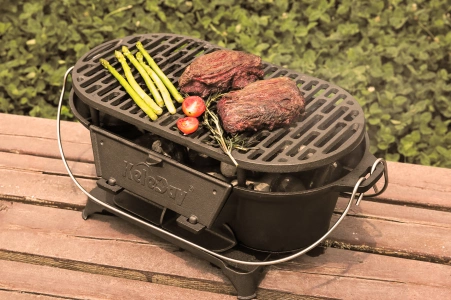
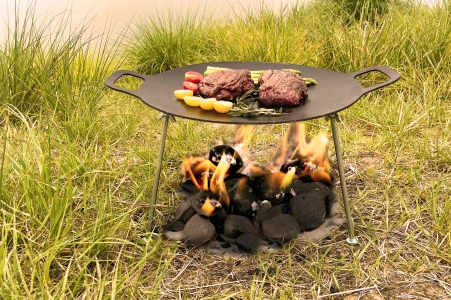
For businesses sourcing outdoor camping cookware, the cast iron camping pot fills a premium niche segment. It targets serious campfire cooking enthusiasts rather than casual day-trippers. Pairing this item with fire pits, cooking tripods, and cast iron griddles creates a full outdoor cooking product suite for your store or catalog.
Conclusion
Lightweight camping cookware still has its place for fast, simple trail meals. But for users prioritizing stable heat, large capacity, and multi-generational durability for campfire cooking, the engineered cast iron camping pot delivers unmatched performance. Buyers and wholesalers need to weigh its excellent thermal benefits against its weight and maintenance requirements to match the product to the right customer groups.
References
International Camp Kitchens: Safety and Performance Standards. China Cast Iron Engineering Department: Thermal Mass Properties of Cast Iron for Open Fire Cooking. https://chinacastiron.com