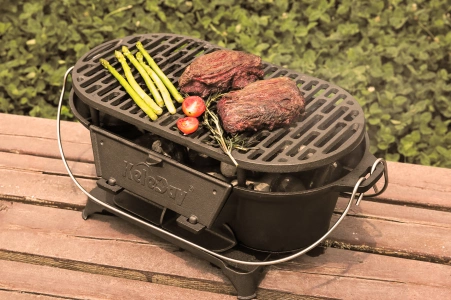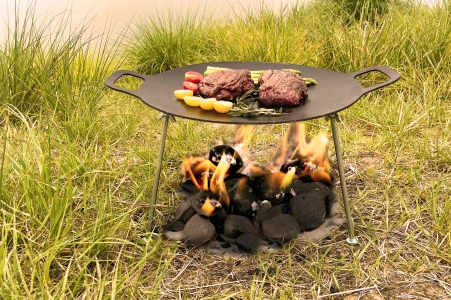
Within outdoor hearth equipment, consumers often draw a simple dividing line: heavy‑welded one‑piece fire pits are perceived as durable, while any unit with removable hardware is quickly written off as flimsy disposable gear. This persistent myth claims detachable‑leg designs sacrifice rigidity and long‑term performance for nothing more than easier transport.
Yet 2026 outdoor metallurgy and structural engineering standards have disproved this assumption. By combining thick formed‑carbon‑steel bowl construction with precision‑machined modular connection points, manufacturers have created modular hearth products that deliver both solid real‑world performance and transport‑friendly disassembly. This article evaluates how a carbon steel fire pit with detachable legs balances structural stability, thermal performance and convenient portability, and what buyers should check before purchasing modular fire pit hardware.
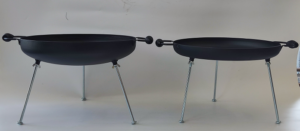
Stability: The Foundation Of Safe Open‑Fire Operation
For casual short‑duration burning on flat patio ground, minor frame flex may go unnoticed. When loaded with full logs, hot embers, or paired with a heavy grill grate, the rigidity of leg‑to‑bowl connections becomes critical, separating secure operation from dangerous shifting or tipping.
Connection‑Point Vulnerabilities
Modular fire pits face unique engineering challenges at each joint.
- Tipping and shifting risk: Low‑quality detachable leg systems rely on simple friction fit. Under thermal cycling and uneven ground pressure, legs can slip out of alignment. When you add logs or adjust cooking surfaces, unstable joints cause the whole bowl to rock.
- Reinforced fastener advantage: Premium modular fire pits adopt bolt‑locked detachable leg assemblies. Threaded locking hardware fixes each leg firmly to the bowl mounting lugs. Even on uneven lawn or campsite terrain, the triangulated three‑leg layout distributes weight evenly. When sourcing modular units, always verify locking bolt hardware is included; friction‑only mounting cannot sustain long‑term high‑heat use.
“The leg fitting is not purely a mounting slot; it is a load‑bearing mechanical interface. Treating threaded fasteners as optional accessories will inevitably lead to unstable fire‑pit performance.” — 2026 Outdoor Hearth Engineering Standard
Thermal Management: Carbon Steel Bowl Performance Under Continuous Fire
Modular‑leg design does not change core bowl thermal behavior, yet many buyers incorrectly blame detachable hardware for heat‑related failures. Thin‑gauge sheet metal suffers rapid temperature swings, warping and poor heat containment regardless of stand construction.
The Robust Carbon‑Steel Bowl Approach
Top‑tier modular fire pits implement a heavy‑gauge carbon‑steel bowl as their core thermal component.
- Thermal mass benefit: Substantial material thickness resists warping under sustained wood‑fire heat, holds radiant warmth and reduces hot‑spot deformation.
- Modular weight distribution: Since tripod legs can be fully removed, the heavy fire‑pit bowl separates from stand components. End‑users can transport the bowl and legs separately, lowering single‑item carry weight for car camping and backyard relocation.
The Durability Of Connection Hardware: Mechanical Wear On Threaded Joints
A common customer concern centers on whether repeated assembly and disassembly will wear out connection points. Every threaded interface represents a potential wear point over thousands of cycles. Entry‑level products use stamped thin mounting tabs paired with low‑grade mild‑steel bolts. Under repeated high‑heat exposure, mounting tabs experience thermal expansion; over time threads strip and mounting holes elongate.
How to Audit Your Detachable‑Leg Fire Pit
- Mount tab material: Are bowl mounting lugs reinforced thick carbon steel, or thin stamped sheet? Reinforced lugs are non‑negotiable for heavy‑use scenarios.
- Fastener specification: Are bolts zinc‑plated for outdoor corrosion resistance? Avoid uncoated plain steel bolts that rust solid inside threads.
- Debris risk: Ash, dirt and rust particles can get caught inside threaded holes. Routine cleaning of mounting threads every few uses prevents seized hardware.
Maintenance: The Hidden Cost Of Modular Construction
Modular fire pits bring unique maintenance considerations absent from fully welded one‑piece models.
- Debris management: Ash and burning embers can splash into mounting lug cavities. If debris accumulates inside connection slots, legs will not seat fully, introducing wobble. Models with raised offset mounting lugs keep joint spaces clear of falling ash for easier upkeep.
- Corrosion resistance: Both bowl and leg hardware need protective high‑temperature finish. Exposed bare metal at bolt threads will corrode without occasional wiping. A weatherproof protective cover during off‑season storage drastically extends service life.
Does Detachable‑Leg Design Sacrifice Real‑World Performance?
When properly engineered, modular construction creates zero compromise for fire‑pit functionality. High‑quality detachable‑leg fire pits use offset lug geometry: the bowl sits securely above connection hardware, keeping bolts and threads away from direct flame radiation. The legs act purely as load‑bearing supports, while all fire‑containing work is handled by the thick carbon‑steel bowl. You gain the rigidity of a heavy fire‑pit bowl alongside the compact storage benefit of fully removable stands.
Conclusion: Portability Without Structural Compromise
Is a detachable‑leg carbon steel fire pit a serious hearth appliance or just portable novelty? Modern engineering delivers both. Heavy‑gauge carbon‑steel bowl construction delivers authentic fire‑pit performance, while well‑designed bolt‑on modular legs remove bulk for transport and storage.
Whether you set it up on your home patio for evening gatherings or pack it for weekend campsite trips, a properly engineered modular fire‑pit merges dependable open‑fire function with flexible logistics for retail consumers and wholesale buyers.