The Hanging Dutch Oven Tripod: Your Gateway to Timeless Outdoor Feasts
There’s a timeless scene that captures the essence of adventure: a cast iron Dutch oven, heavy with a simmering stew, hanging steadily over a crackling campfire. This iconic setup, central to centuries of outdoor cooking, relies on one crucial piece of equipment—the hanging Dutch oven tripod. More than just three legs and a chain, this simple yet brilliant tool is the key to unlocking the full, flavorful potential of campfire cooking, offering control, safety, and a direct link to culinary tradition.
This guide explores everything you need to know about the hanging Dutch oven tripod. We’ll cover its historical roots, how to choose and set one up, advanced cooking techniques, and why this classic system remains unbeatable for creating memorable outdoor meals.
What Is a Hanging Dutch Oven Tripod?
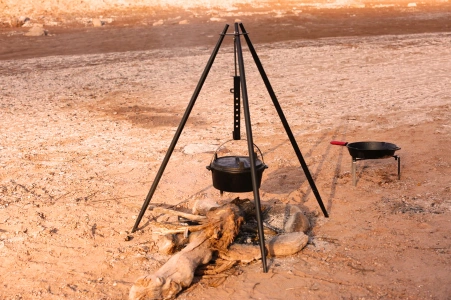
A hanging Dutch oven tripod is a three-legged metal stand designed to suspend a Dutch oven above a campfire using a chain and hook system. This setup enables even heat exposure from all sides while allowing the cook to adjust cooking height easily.
Key Components
Three sturdy steel or cast iron legs
Central hanging chain
Adjustable hook or S-hook
Optional carrying bag or detachable legs
The hanging system provides flexibility and safety, especially when cooking stews, soups, bread, or slow-cooked meals outdoors.
History of the Dutch Oven Tripod
Dutch ovens date back centuries and were widely used by pioneers, soldiers, and explorers. The tripod method emerged as a practical solution for cooking over uneven ground and open flames.
Today, the hanging Dutch oven tripod remains popular among campers, reenactors, and outdoor chefs who value tradition combined with functionality.
Why Use a Hanging Dutch Oven Tripod?
Superior Heat Control
By raising or lowering the Dutch oven, you can fine-tune the cooking temperature without moving coals or adjusting firewood.
Even Cooking
Suspended cooking allows heat to circulate evenly around the pot, reducing hotspots.
Versatility
Ideal for:
Camping meals
Bushcraft cooking
Backyard fire pits
Survival training
Outdoor events
Safety & Stability
A tripod keeps cookware off the ground, minimizing tipping and accidental spills.
The Perfect Partner: Choosing Your Dutch Oven
The tripod is only half the system. The Dutch oven is the star of the show. For camping, a bare cast iron oven with a bail handle and a flat, rimmed lid is the traditional and most versatile choice.
Why Cast Iron? It excels at distributing and retaining heat evenly, which is perfect for slow-cooking stews, braises, and especially for baking bread.
Key Features for Hanging:
Bail Handle: The arched wire handle is essential for attaching the tripod’s hook.
Lid with a Rim: The rim keeps hot coals securely on top of the lid, turning the pot into a true oven for baking.
Legs vs. Flat Bottom: While camp ovens often have three short legs for standing in coals, a flat-bottomed oven works perfectly when hung from a tripod.
When selecting your Dutch oven, quality matters. For those seeking durable, authentic cast iron cookware designed to last a lifetime, exploring the collection from a reputable manufacturer can be an excellent start. You can find a range of these timeless pieces at https://chinacastiron.com/. Remember, a well-seasoned cast iron Dutch oven is an heirloom that improves with every use.
Mastering the Art of Tripod Cooking
Setting Up for Success
Location: Choose a flat, clear area away from overhanging branches and dry grass.
Build the Right Fire: Let your fire burn down to a bed of hot embers (coals). Flames are for ambiance; steady, radiant heat from coals is for cooking.
Assemble the Tripod: Ensure legs are fully extended and locked on stable ground. Adjust the chain to its highest point before hanging the heavy pot.
The Magic of Heat Control
This is where the hanging Dutch oven tripod shines. Unlike a static setup, you have dynamic control.
For a Rapid Boil or Sear: Lower the pot so it sits close to the bed of coals.
For a Gentle Simmer or Stew: Raise the pot higher, using the radiant heat from the fire below.
For Baking (Breads, Cobblers): This utilizes the “double heat” method. Place your oven at a medium height. Use a lid lifter to place a separate pile of hot coals directly on the rimmed lid. The tripod makes it easy to occasionally rotate the pot for even baking.
Iconic Tripod Recipes
Hearty Pioneer Stew: Sear meat directly in the oven, add root vegetables and broth, then raise the pot to simmer for hours.
Campfire Bread: A simple dough baked in a preheated Dutch oven with coals above and below. The cast iron and steady heat create a fantastic crust.
Mountain Man Breakfast: Fry bacon and potatoes, add eggs, and top with cheese, letting it all cook with residual heat.
How to Use a Hanging Dutch Oven Tripod
Step 1: Set Up the Tripod
Spread the legs evenly over the fire pit or campfire area.
Step 2: Build the Fire
Use hardwood for steady heat. Let flames settle into hot embers.
Step 3: Hang the Dutch Oven
Attach the Dutch oven bail to the hook and adjust the height.
Step 4: Cook & Monitor
Stir occasionally and adjust height to control temperature.
Best Foods to Cook with a Hanging Dutch Oven Tripod
Stews and soups
Chili and beans
Campfire bread
Roasted meats
One-pot meals
Desserts like cobblers
Cast iron Dutch ovens from https://chinacastiron.com/ excel at heat retention, making them ideal for these recipes.
Maintenance and Care
Tripod Care
Clean after use
Dry thoroughly
Apply rust-preventive oil
Dutch Oven Care
Season regularly
Avoid harsh detergents
Store dry
Find care-friendly cast iron cookware at https://chinacastiron.com/.
Safety Tips
Never leave fire unattended
Use heat-resistant gloves
Keep children away from hot cookware
Conclusion: Embracing the Timeless Tradition
In our fast-paced, digital world, the hanging Dutch oven tripod offers a profound return to simplicity and skill. It demands patience, attention, and a connection to the elements. The reward is more than just a meal; it’s the process, the gathered companionship, and the deep satisfaction of creating something delicious through your own effort.
This timeless setup isn’t just about replicating the past; it’s about creating unforgettable experiences in the present. So, gather your tripod, your well-seasoned Dutch oven, and good company. Stoke the fire, hang the pot, and savor the slow, delicious journey of a meal cooked under the open sky.