The Outdoor Fire Pit Factory: Where Engineering Meets Ambiance
On a crisp autumn evening, there’s nothing quite like the warmth of a well-designed fire pit. But have you ever paused to consider the journey that transforms raw materials into the centerpiece of your backyard gatherings? The process is far more complex than meets the eye, and at its heart lies the outdoor fire pit factory. These industrial hubs are where cutting-edge engineering, stringent safety standards, and modern design trends converge to create the products that define outdoor living.
From the initial spark of an idea to the final quality check before shipping, a modern fire pit factory is a symphony of specialized processes. This article takes you behind the scenes, exploring the intricate world of design, material science, manufacturing, and global supply chains that bring these essential fixtures of outdoor life to your patio.
What Is an Outdoor Fire Pit Factory?
An outdoor fire pit factory is a manufacturing facility specializing in the design, production, and export of fire pits used for outdoor heating, cooking, and ambiance. These factories serve brands, wholesalers, retailers, and project buyers worldwide.
Common Products Manufactured
Cast iron fire pits
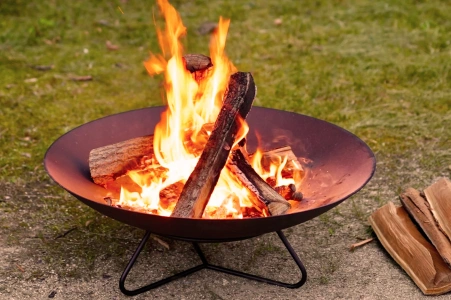
Steel fire pits
Fire pit tripods
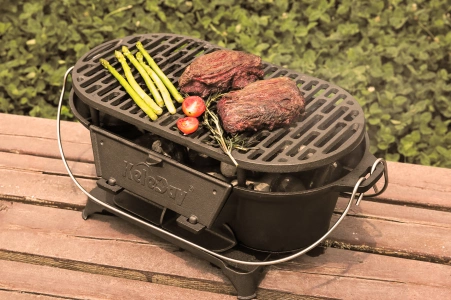
BBQ fire pits
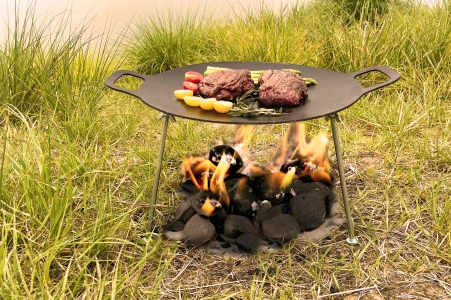
Camping fire pits
Fire pit grates and accessories
Professional factories often provide OEM, ODM, and private-label services.
Market Demand for Outdoor Fire Pits
Growing Outdoor Lifestyle Trend
Consumers are investing more in:
Backyard fire pits
Outdoor kitchens
Camping & overlanding gear
Bushcraft and survival equipment
This trend fuels long-term demand for reliable outdoor fire pit factory suppliers.
Key Global Markets
United States
Canada
Europe (Germany, UK, France)
Australia
Japan
Manufacturers like https://chinacastiron.com/ serve these markets with export-ready solutions.
The Engine of Innovation – The Factory’s Core Functions
An outdoor fire pit factory is much more than a simple production line. It’s a comprehensive ecosystem designed to innovate, produce, and deliver.
1. Research & Development (R&D): The Birthplace of Ideas
The journey begins in the R&D department. Here, engineers and designers analyze market trends, study heat dynamics, and experiment with new forms. They answer critical questions:
How can we improve fuel efficiency and heat output?
What new material combinations offer better durability?
How can we integrate smart features or improve portability?
What designs resonate with modern architectural trends?
This phase involves extensive prototyping, often using 3D printing and CAD software, to test concepts before they ever hit the factory floor.
2. Engineering and Design: Turning Concepts into Blueprints
Once a concept is approved, it moves to detailed engineering. This stage determines the exact specifications:
Structural Integrity: Calculations ensure the fire pit can withstand extreme thermal expansion and contraction without warping.
Airflow Dynamics: Precise placement of vents and holes is engineered to promote clean combustion and minimize smoke.
Material Specifications: Exact grades of steel, alloys for grates, and types of protective coatings are selected.
Ergonomics and Assembly: The design must facilitate not only use but also efficient, cost-effective manufacturing and easy customer assembly.
Manufacturing Process in an Outdoor Fire Pit Factory
Design & Engineering
CAD drawings
Load-bearing analysis
Heat resistance testing
Casting & Fabrication
Sand casting for cast iron fire pits
CNC cutting for steel components
Welding and forming
Surface Treatment
Rust color finish
High-temperature paint
Natural patina development
Enamel coating (optional)
Quality Inspection
Structural testing
Heat resistance checks
Finish inspection
The Manufacturing Process – From Raw Material to Finished Product
The factory floor is where ideas become reality. The process varies by product type but generally follows these key stages for a standard metal fire pit.
Stage 1: Material Sourcing and Preparation
Factories source high-quality raw materials, primarily steel (carbon or stainless), cast iron, and sometimes copper or corten steel for aesthetic appeal. Sheets of metal are cut into blanks using computer-controlled plasma or laser cutters for precision.
Stage 2: Forming and Shaping
This is where flat metal takes shape.
Stamping and Pressing: Large hydraulic presses stamp out bowl shapes, legs, and decorative panels from metal sheets.
Rolling: Sheets are passed through rollers to create curved panels for cylindrical pits.
Casting (for specialized components): Intricate parts like decorative lids or heavy-duty grates might be cast from molten iron or aluminum in a separate foundry process. For factories specializing in durable cast components, partnerships with expert foundries are key. Manufacturers like those behind https://chinacastiron.com/ often supply high-quality, heat-resistant grates and bowls to larger assembly factories, leveraging specialized casting expertise.
Stage 3: Joining and Assembly
Welding: Robotic welders (for consistency) and skilled human welders (for complex joints) assemble the cut and formed pieces. Critical seams, like where the bowl meets the base, undergo rigorous weld inspection.
Riveting and Mechanical Fastening: Some designs use rivets or bolts for a modular or industrial look.
Stage 4: Surface Treatment and Finishing
This stage is crucial for aesthetics and longevity.
Grinding and Sanding: Welds are smoothed, and surfaces are prepared for finishing.
Cleaning and Degreasing: Parts are washed to remove oils and contaminants.
Applying the Finish:
Powder Coating: The most common finish. A dry, electrostatically charged polymer powder is applied and then baked on, creating a tough, weather-resistant, and colorful layer.
High-Temperature Paint: Specialized paints that can withstand direct flame and heat are used for interior surfaces.
Natural Patina (Corten Steel): The steel is treated to accelerate the development of its characteristic rust-like, protective outer layer.
Clear Coating: For metals like copper or stainless steel, a clear coat may be applied to preserve shine and prevent tarnishing.
Wholesale & Bulk Purchasing Advantages
Cost Efficiency
Lower unit costs
Stable pricing
Long-term supply contracts
Supply Chain Stability
Consistent quality
Reliable lead times
Inventory planning support
Wholesale buyers benefit greatly from factory-direct sourcing.
Sustainability in Fire Pit Manufacturing
Modern outdoor fire pit factories focus on:
Recyclable materials
Long product lifespan
Reduced waste
Energy-efficient production
Cast iron fire pits are especially sustainable due to their durability and recyclability.
Fire Pits for Commercial & Project Use
Outdoor fire pits are widely used in:
Hotels & resorts
Restaurants & cafes
Campsites & glamping sites
Public outdoor spaces
Factories provide bulk and project-based solutions.
Future Trends in the Outdoor Fire Pit Industry
Modular fire pit systems
Multi-functional cooking fire pits
Rustic and rust color finishes
Bushcraft-inspired designs
Factories that innovate stay competitive in global markets.
Conclusion: The Forge of Modern Gatherings
The outdoor fire pit factory is a testament to how industrial ingenuity fuels human connection. It takes the ancient, elemental need for fire and packages it safely, beautifully, and efficiently for the modern world. The next time you light your fire pit, you’re not just igniting fuel; you’re activating the culmination of global design, precision engineering, and skilled labor.
From the R&D lab’s first sketch to the quality inspector’s final nod, each step ensures that the product at the center of your memories is built to last, providing warmth and ambiance for countless gatherings to come.