The Flat Frying Pan: The Undisputed Workhorse of Every Kitchen
In the vast universe of cookware, where specialized tools for every conceivable task abound, one piece stands apart in its fundamental simplicity and unparalleled versatility: the flat frying pan. Unlike its sloped-sided sauté pan cousin or deep-walled skillet relatives, the flat frying pan—characterized by its wide, flat, minimally lipped cooking surface—is a master of direct, efficient heat transfer and unparalleled cooking control. It is the first pan many of us learn to cook with, and in the hands of a professional, it becomes an extension of their culinary will. This deep dive explores why this humble tool deserves a prime spot in every kitchen, from a studio apartment to a professional brigade.
Why a Flat Frying Pan Is Essential in Every Kitchen
The flat frying pan is one of the most fundamental tools in modern and traditional kitchens. Whether you are searing meats, frying eggs, flipping pancakes, or using it on a camping stove, this pan shape offers unmatched versatility.
As the demand for high-quality cookware continues to grow—both in home kitchens and outdoor cooking setups—buyers, importers, and wholesalers are increasingly focused on sourcing durable, heat-efficient flat frying pans that can perform across gas stoves, induction cookers, ovens, and open fire.
This comprehensive guide explores everything you need to know about the flat frying pan—materials, manufacturing processes, sizing, surface treatments, market trends, and OEM/wholesale sourcing from professional manufacturers such as https://chinacastiron.com/.
What Is a Flat Frying Pan?
A flat frying pan is characterized by:
A wide flat cooking surface
Shallow sloped sides
A single long handle or dual handles
Compatibility with high heat and multiple cooking styles
Its flat design maximizes cooking contact, making it ideal for:
Pancakes and crepes
Fried eggs and omelets
Searing meats and fish
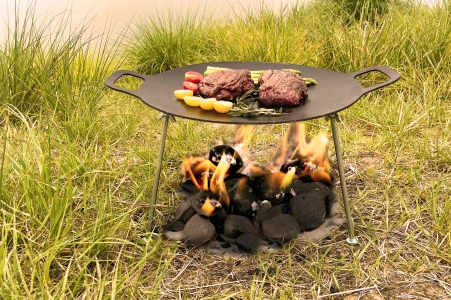
Outdoor campfire cooking
Cast iron grill-to-table serving
Its universal functionality makes it one of the top-selling cookware pieces worldwide.

What Can You Cook in a Flat Frying Pan?
The answer is: almost anything. Its versatility is staggering.
Breakfast: The undisputed king of breakfast. Cook bacon until crisp, fry eggs sunny-side up, make a stack of perfect pancakes, or create a hearty hash.
Proteins: Achieve a flawless crust on steaks, chops, chicken breasts, and fish fillets. The flat surface ensures full contact for an even sear.
Vegetables: Sauté greens, roast Brussels sprouts, caramelize onions, or get a char on asparagus spears.
Stir-Fries & Asian Cuisine: The wide surface area and high, contained heat make it an excellent wok substitute for home cooks.
Flatbreads & Tortillas: Cook naan, roti, tortillas, or crepes directly on the surface.
Grilled Cheese & Quesadillas: The even heat melts cheese perfectly while toasting the bread or tortilla.
Pan Sauces: After searing meat, the flavorful browned bits (fond) left on the flat surface are the perfect foundation for a quick, delicious sauce.
Benefits of Using a Flat Frying Pan
1. Even Heat Distribution
A quality flat frying pan heats uniformly, ensuring consistent cooking results.
2. Versatile Cooking Options
Can be used for frying, searing, sautéing, browning, and baking.
3. Compatible with Many Heat Sources
Great for:
Gas stove
Induction
Electric
Ceramic
Oven
Outdoor grill
Direct campfire
Especially cast iron flat pans from https://chinacastiron.com/ excel in heat resistance.
4. Perfect for Outdoor Cooking
Flat pans are extremely popular in camping scenes due to their:
Durability
Portability
Fire resistance
Multipurpose use
How Flat Frying Pans Are Manufactured
Understanding the production process helps wholesalers choose reputable manufacturers.
Step 1: Material Selection
Materials include:
Cast iron
Stainless steel
Carbon steel
Aluminum
Step 2: Forming and Shaping
Different methods:
Sand casting (for cast iron)
Stamping (steel pans)
Forging
CNC machining
Step 3: Surface Treatment
Depending on pan type:
Seasoning oil coating
Enamel coating
Non-stick coating
Polishing
Cast iron pans from https://chinacastiron.com/ often receive multiple seasoning layers.
Step 4: Handle Attachment
Handles are joined through:
Riveting
Welding
Integrated casting (best durability)
Step 5: Heat Treatment and Testing
Quality laboratories test for:
Flatness precision
Heat resistance
Coating durability
Food-safe compliance
Step 6: Packaging
For export, pans may be packed with:
Corrugated boxes
Protective film
Palletized transport
Mastering the Technique – How to Use a Flat Frying Pan Like a Pro
Owning a great pan is only half the battle; technique unlocks its potential.
1. The Golden Rule: Preheat Properly
Never add food to a cold flat frying pan, especially when searing. A properly preheated pan ensures immediate caramelization and prevents sticking. For most tasks, heat the pan over medium heat for 2-3 minutes until a drop of water dances and evaporates instantly.
2. The Art of Temperature Control
High Heat: For quick searing, stir-frying, and achieving a crust. Best for stainless steel, carbon steel, and cast iron.
Medium Heat: The workhorse setting for most frying, sautéing, and pancake cooking.
Low Heat: For gently cooking delicate items like eggs or keeping food warm.
3. To Oil the Food or the Pan?
For a seasoned cast iron or carbon steel pan, it’s often best to lightly oil the food itself before adding it to the hot, dry pan.
For stainless steel or a new pan, add a thin layer of oil to the preheated pan, letting it shimmer before adding food.
4. The “Don’t Crowd the Pan” Doctrine
Overloading a flat frying pan drops its temperature dramatically, causing food to steam and stew in its own juices rather than brown. Cook in batches if necessary to maintain high heat and achieve proper browning.
Why Many Buyers Choose China for Flat Frying Pan Sourcing
Advantages include:
Large-scale production
Cost-effective pricing
Stable supply chain
Customization ability
Skilled labor in metal casting
Factories like https://chinacastiron.com/ offer end-to-end OEM support.
Frequently Asked Questions
1. What is the best material for a flat frying pan?
Cast iron and carbon steel are top choices.
2. Can I use a flat frying pan outdoors?
Yes, especially cast iron versions.
3. Do cast iron pans need seasoning?
Yes, unless they are enamel-coated.
4. Do you offer OEM services?
Yes—factories on https://chinacastiron.com/ provide full OEM/ODM support.
Conclusion: The Pan That Builds Confidence
The flat frying pan is more than just a piece of metal; it is a culinary foundation. Its simplicity is its strength, offering direct feedback and encouraging the development of fundamental cooking skills—heat management, timing, and the transformation of raw ingredients through the application of heat.
Investing in a high-quality flat frying pan made from appropriate materials is one of the smartest decisions a cook can make. It will become the most reached-for item in your kitchen cabinet, a reliable partner in creating countless meals, from the simple to the spectacular. In a world of niche gadgets, the flat frying pan remains the essential, universal tool for anyone who wants to cook well.