The Ultimate Guide to BBQ Grill Pans: Unleashing Culinary Creativity Outdoors
When it comes to outdoor cooking, the choice of tools often determines the quality of the experience. Among all the essentials, the BBQ Grill Pan stands out as one of the most versatile and valuable pieces of cookware. It is not just a flat surface for grilling food — it is the bridge between raw ingredients and flavorful meals that bring people together.
In this blog, we will take a deep dive into the world of the BBQ Grill Pan, covering everything from its history, materials, designs, uses, recipes, maintenance tips, and even future innovations.
What is a BBQ Grill Pan?
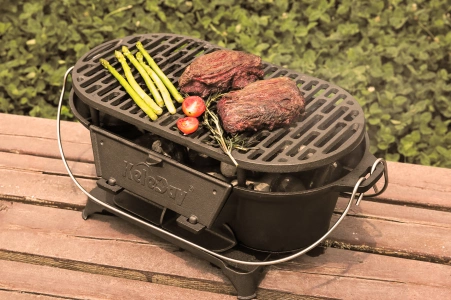
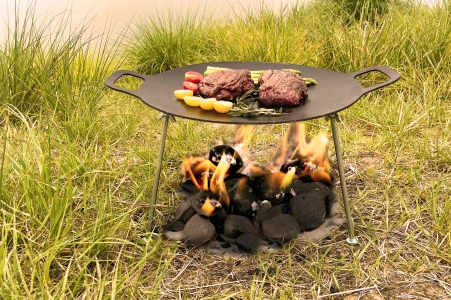
A grill pan is a flat or slightly curved cooking surface with raised edges, designed to be used directly over a heat source. Unlike open grates, it contains everything within its walls, offering distinct advantages that make it a must-have in your Outdoor camping cookware arsenal.
Benefits include:
Even heat conduction.
Better moisture retention for meats.
Versatility for vegetables, seafood, and bread.
Easy handling and cleanup compared to open grates.
BBQ Grill Pan: The Versatile Outdoor Kitchen
The primary advantage of a grill pan is its incredible versatility. It transforms your grill or fire pit into a fully functional stovetop. You can effortlessly:
Sauté vegetables with olive oil and herbs.
Fry eggs and bacon for a hearty camp breakfast.
Cook delicate fish fillets that would otherwise fall through grates.
Simmer sauces and stews in a Dutch oven or deep pan.
Toast spices or warm tortillas directly on the surface.
This versatility allows you to prepare entire meals outdoors without constantly running back to your indoor kitchen.
1. Flavor Retention and Even Cooking
The solid surface of a BBQ Grill Pan, especially cast iron, excels at heat retention and distribution. It eliminates hot and cold spots, ensuring everything from the center to the edges cooks evenly. The raised edges are crucial—they trap juices and fats that render from meats, which then mingle with seasonings and vegetables, creating a self-basting, incredibly flavorful cooking environment. This means no more lost sausages or dried-out shrimp; every ingredient contributes to a symphony of taste.
2. Perfect for Smaller and Delicate Foods
Anyone who has tried to grill asparagus, sliced onions, shrimp, or small cut vegetables knows the frustration of losing precious food to the flames below. A bbq grill pan solves this problem completely. Its contained surface is ideal for cooking smaller items, preventing them from slipping through and allowing you to cook them to perfection without loss or excessive charring.
3. Enhanced Heat Control and Less Flare-Ups
Cooking directly over an open flame can lead to unpredictable flare-ups caused by dripping fat, which often results in burnt, acrid-tasting food. Using a grill pan significantly reduces this risk. The pan acts as a barrier, catching the drippings and preventing them from hitting the direct flame, while still allowing the food to cook in its own flavorful fats. This leads to more controlled cooking and beautifully caramelized, rather than charred, results.
Choosing Your Champion: Types of BBQ Grill Pans
Choosing the right material makes all the difference:
Cast Iron Grill Pans
Excellent heat retention and distribution.
Adds authentic charred flavor.
Requires seasoning but lasts for decades.
Stainless Steel Grill Pans
Resistant to rust and corrosion.
Easy to clean and durable.
Heats quickly but may create hotspots.
Aluminum Grill Pans
Lightweight and affordable.
Often coated with nonstick layers for delicate food.
Not as durable as cast iron or steel.
Ceramic or Enamel-Coated Grill Pans
Attractive design and great heat retention.
Nonstick and easy to clean.
More fragile compared to metal pans.
Mastering the Craft: Tips for the Perfect Grill Pan
The design determines its usability:
Flat Pans: Best for seafood, pancakes, and eggs.
Ribbed Pans: Create grill marks and lock in juices.
Dual-Sided Pans: One side flat, one side ridged for multipurpose cooking.
Perforated Pans: Allow smoke to flavor food while reducing grease buildup.
Portable & Foldable Pans: Ideal for camping and travel.
How to Choose the Right BBQ Grill Pan
When selecting your pan, consider:
Cooking Environment: Home balcony, backyard, or outdoor camping.
Type of Food: Thick cuts of steak need cast iron; veggies and fish do well with nonstick aluminum.
Heat Source: Charcoal favors cast iron; gas/electric is suitable for steel or aluminum.
Weight & Portability: Heavier pans for home use; lightweight pans for travel.
Budget: Cast iron offers long-term value, while aluminum is budget-friendly.
A World of Recipes: What to Cook on Your Grill Pan
Your grill pan is your passport to a global culinary tour. Here are some ideas to get you started:
1. The Ultimate Breakfast Hash: Cook diced potatoes, onions, and peppers until tender and crispy. Push them to one side, add a little more oil, and crack in eggs. A perfect one-pan camp breakfast.
2. Sizzling Fajitas: Sear strips of marinated skirt steak or chicken with sliced bell peppers and onions. Serve immediately with warm tortillas, salsa, and guacamole right off the grill.
3. Garlic Herb Shrimp Scampi: Sauté shrimp in butter, olive oil, copious amounts of garlic, and a pinch of red pepper flakes. Finish with a squeeze of lemon juice and fresh parsley. Serve over pasta or crusty bread.
4. Asian-Style Stir-Fry: Get your pan screaming hot. Add thinly sliced beef, chicken, or tofu, along with broccoli, snap peas, and carrots. Toss with a pre-made stir-fry sauce for a quick and healthy meal.
5. Pan-Seared Steaks and Chops: Achieve a restaurant-quality crust on a ribeye or pork chop. The pan’s even heat ensures a perfect sear from edge to edge. Let it rest before slicing.
Maintenance and Cleaning of a BBQ Grill Pan
Proper care will ensure your grill pan lasts for generations, especially if it’s cast iron.
Cleaning: For cast iron, avoid soap. While a small amount of modern soap is okay, the best method is to clean it while it’s still warm (not hot) by scrubbing with hot water and a stiff brush or non-abrasive scrubber. For stuck-on food, use coarse salt as a gentle abrasive.
Drying and Oiling: This is crucial to prevent rust. After washing, immediately dry the pan thoroughly over low heat on your stove or grill. Once dry, apply a very thin layer of oil to the cooking surface while it’s still warm. This maintains the seasoning.
Storage: Store your pan in a dry place. If stacking pans, place a paper towel or a cloth between them to prevent scratching and allow for air circulation.
Conclusion: Redefining Your Outdoor Cooking Experience
The humble BBQ grill pan is more than just a piece of metal; it is a catalyst for creativity, a vessel for flavor, and a tool that truly allows you to “Cook Anywhere. Share Everywhere.” It breaks the limitations of traditional grilling, inviting you to explore breakfasts, lunches, dinners, and desserts under the open sky. Whether you’re a weekend warrior in your backyard or a seasoned explorer deep in the wilderness, investing in a high-quality grill pan from a trusted manufacturer like Shengri will fundamentally change—and vastly improve—your outdoor culinary adventures. So, grab your pan, fire up your grill, and discover the endless possibilities that await.