The Ultimate Guide to Outdoor Barbecue: From Novice to Pitmaster
There’s something magical about fire, food, and friendship coming together under the open sky. The sizzle of meat, the aroma of spices, and the laughter of people around the grill make Outdoor BBQ more than just cooking — it’s an experience, a lifestyle, and a tradition that transcends cultures.
Outdoor barbecue is more than just a cooking method—it’s a lifestyle, a social culture, and an art form that brings people together around the primal magic of fire and food. From intimate family gatherings to large community celebrations, barbecue creates unforgettable experiences that nourish both body and soul while building lasting memories under open skies.
The Irresistible Appeal and Cultural Significance of Outdoor Barbecue
Reconnecting with Ancestral Cooking Arts
Outdoor barbecue represents humanity’s return to its most fundamental cooking method—the direct application of fire to transform raw ingredients into nourishing meals. This ancient technique has evolved into a sophisticated culinary art that adds natural flavor and authentic character to modern dining experiences.
Unlike indoor cooking methods, outdoor barbecue provides unlimited creative freedom enhanced by fresh air, natural lighting, and the therapeutic sounds of sizzling food over glowing coals. Every barbecue session becomes a unique adventure influenced by weather, wind, and the cook’s evolving skills.
The Perfect Social Catalyst
The magnetic appeal of outdoor barbecue naturally draws people together, creating spontaneous communities around the grill. This shared cooking experience breaks down social barriers and encourages participation from guests who might otherwise remain passive observers at traditional dinner parties.
Whether hosting family reunions, friendship gatherings, or neighborhood block parties, barbecue creates relaxed atmospheres that foster genuine connections and meaningful conversations while everyone anticipates the upcoming feast.
Why Choose Outdoor BBQ?
Atmosphere: Cooking outdoors brings an unmatched sense of freedom and relaxation.
Social Bonding: Sharing grilled food builds stronger connections with family and friends.
Variety of Food: From steaks to vegetables, seafood to bread, nearly anything can be grilled.
Versatility: Choose charcoal, wood, or gas grills to suit your taste and environment.
Connection to Nature: Eating under the stars or by a lake adds a memorable touch.
Mastering Barbecue Techniques and Temperature Control
The Art of Heat Management
Temperature control represents the most critical skill in successful outdoor barbecue cooking. Creating different heat zones through strategic charcoal placement and grill height adjustments accommodates various ingredients with different cooking requirements within a single session.
High-heat zones excel for quick-searing steaks, burgers, and vegetables that benefit from rapid caramelization. Medium-heat areas work well for chicken, pork, and fish that require thorough cooking without burning. Low-heat zones provide gentle warming and slow-cooking capabilities for large cuts and delicate items.
Direct vs. Indirect Cooking Methods
Direct cooking involves placing food directly over heat sources, making it ideal for outdoor barbecue items requiring quick cooking times such as steaks, burgers, and vegetables. This method rapidly develops flavorful crusts while sealing in natural juices through high-temperature searing.
Indirect cooking positions food adjacent to rather than directly above heat sources, using circulating hot air to cook ingredients slowly and evenly. This method works perfectly for large roasts, whole chickens, and other items requiring extended cooking times without surface burning.
Advanced Smoking Techniques
Smoking represents an advanced outdoor barbecue technique that infuses food with distinctive flavors through controlled wood combustion. Different wood types produce unique flavor characteristics that should be matched to specific ingredients for optimal results.
Controlling smoke intensity and duration requires experience and careful attention. Excessive smoking creates bitter flavors, while insufficient smoking fails to achieve desired taste profiles. Mastering this balance transforms ordinary barbecue into extraordinary culinary experiences.
Essential Tools for Outdoor BBQ
To create the perfect barbecue experience, the right tools are essential:
Grills: Charcoal grills for smoky flavor, gas grills for convenience, portable grills for camping.
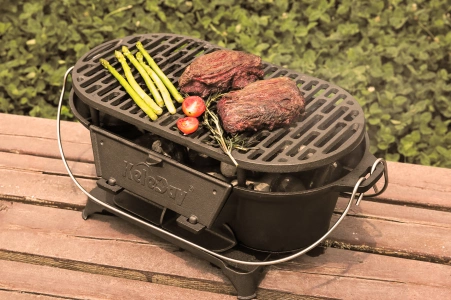
Grates and Pans: Cast iron or stainless steel for even heating and durability.
Tongs and Skewers: For flipping and turning food safely.
Charcoal/Wood Chips: Enhance smoky flavor.
Coolers: Keep ingredients fresh before grilling.
Cast iron cookware is particularly valued in Outdoor BBQ because of its heat retention, durability, and ability to impart a rich, smoky flavor.
Classic Recipes for Outdoor BBQ
1. Cumin Lamb Skewers
Cubes of lamb marinated with cumin, chili, and garlic.
Grill until slightly charred and fragrant.
2. Honey-Glazed Chicken Wings
Marinate in honey, soy sauce, and garlic.
Grill until golden and sticky.
3. Garlic Butter Shrimp
Coat shrimp in butter, garlic, and lemon.
Grill quickly over medium heat.
4. Grilled Corn on the Cob
Brush with butter and sprinkle with salt.
Grill until kernels are slightly charred.
5. Mixed Mushroom Platter
Toss with olive oil and rosemary.
Grill until tender.
Safety Protocols and Essential Precautions
Food Safety Fundamental Principles
Food safety represents a critical concern in outdoor barbecue preparation and service. Raw and cooked foods must be kept completely separate using different cutting boards, utensils, and storage containers throughout the cooking process.
Meat products must reach safe internal temperatures: beef at 135°F, pork at 145°F, and poultry at 165°F minimum. Maintaining cleanliness through frequent hand washing, sanitized work surfaces, and prompt food handling prevents dangerous bacterial growth.
Fire Safety and Environmental Responsibility
Safe outdoor barbecue practices require appropriate location selection away from flammable materials and structures. Adequate water supplies or fire extinguishers should be readily available for emergency situations, and all fires must be completely extinguished after use.
Environmental protection involves using designated barbecue areas, avoiding damage to vegetation and wildlife habitats, and practicing Leave No Trace principles. Proper waste disposal and biodegradable cleaning products minimize environmental impact while preserving outdoor spaces.
Personal Protection and Health Considerations
Outdoor barbecue safety includes personal protective measures such as appropriate clothing that avoids loose materials near open flames. Sun protection through sunscreen and shade structures prevents harmful UV exposure during extended cooking sessions.
Adequate hydration becomes particularly important during hot weather barbecuing, while smoke exposure should be minimized through strategic positioning and ventilation. Individuals with respiratory conditions should exercise special caution regarding air quality and exposure duration.
Future Trends in Outdoor BBQ
Smart Grills: Temperature sensors linked to apps.
Eco-Friendly Fuels: Biochar and sustainable fuel sources.
Lightweight Gear: Portable grills with multiple functions.
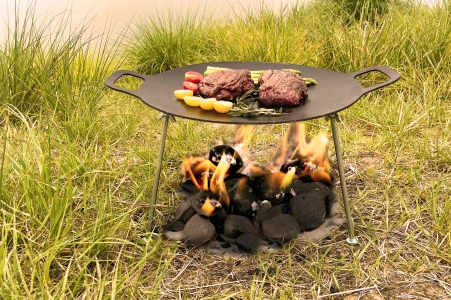
Multi-Functional Cookware: One tool for grilling, boiling, and frying.
Global Barbecue Cultures and Traditions
American Barbecue Heritage and Innovation
American outdoor barbecue traditions showcase remarkable regional diversity through distinctive preparation methods and signature ingredients. Texas brisket, Kansas City ribs, and Carolina pulled pork represent just a few examples of regional specialization and cultural pride.
Modern American barbecue continues evolving through fusion techniques, health-conscious adaptations, and sustainable practices that honor traditional methods while embracing contemporary dietary preferences and environmental awareness.
Asian Barbecue Precision and Elegance
Asian outdoor barbecue traditions emphasize refined seasoning techniques and elegant presentation styles. Japanese yakitori, Korean galbi, and Chinese char siu demonstrate sophisticated approaches that prioritize ingredient quality and subtle flavor development.
Asian barbecue typically incorporates more seafood and vegetable preparations, reflecting cultural preferences for balanced nutrition and visual appeal. Precise cutting techniques, diverse dipping sauces, and artistic plating showcase the aesthetic dimensions of outdoor cooking.
Mediterranean Barbecue Health Philosophy
Mediterranean outdoor barbecue emphasizes olive oil, citrus, fresh herbs, and seafood preparations that align with healthy eating principles while celebrating natural ingredient flavors over heavy seasonings and sauces.
This approach often includes abundant appetizers, fresh salads, and wine pairings that reflect relaxed lifestyle values and social dining customs. The health benefits and cultural appeal of Mediterranean barbecue continue gaining global recognition and adoption.
Conclusion
Outdoor BBQ is not just about food; it’s about connection — with people, with nature, and with tradition. The sound of sizzling meat, the warmth of the fire, and the joy of sharing make every session unique.
Mastering outdoor barbecue represents a journey of continuous learning that combines technical skills, creative expression, and genuine hospitality. From equipment selection through advanced techniques, every aspect contributes to creating memorable experiences that bring people together around exceptional food. Whether preparing simple family meals or elaborate celebration feasts, skilled barbecue practitioners create more than just food—they craft experiences that nourish relationships and create lasting memories. Through dedicated practice, thoughtful preparation, and genuine enthusiasm for the craft, anyone can develop the skills necessary to become a accomplished barbecue artist who brings joy and satisfaction to every outdoor cooking adventure.