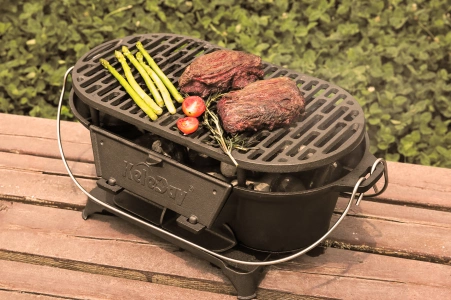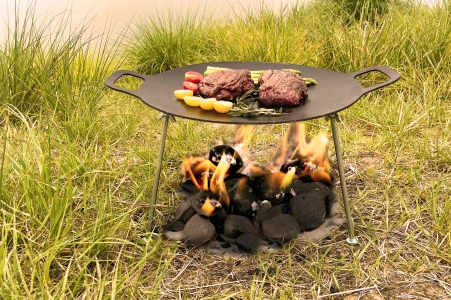
The Ultimate Guide to Grill Pans: Your Kitchen’s Secret to Year-Round Grilling
The sizzle of a steak hitting a hot grate, the distinctive char marks, the smoky aroma that fills the air—these are the sensory hallmarks of perfect grilling. But what happens when rain pours, snow falls, or you simply don’t have access to an outdoor grill? This is where the humble yet powerful grill pan becomes an indispensable kitchen hero. A good grill pan is your passport to enjoying grilled flavors and beautiful results 365 days a year, right from your stovetop.
More than just a pan with ridges, a grill pan is a specialized tool that, when understood and used correctly, can produce results that rival its outdoor counterpart. This comprehensive guide will dive deep into the world of grill pans, exploring the different types, the science behind their design, how to choose the perfect one, and master the techniques for flawless cooking. We’ll also cover essential care and maintenance to ensure your pan lasts a lifetime.
Why Own a Grill Pan? The Case for Indoor Grilling
While outdoor grilling has its irreplaceable charm, a grill pan offers a set of unique advantages that make it a worthy addition to any cookware collection.
Year-Round Grilling: The most obvious benefit. Weather is no longer a factor. Craving a grilled chicken breast or burger in the middle of a winter storm? Your grill pan has you covered.
Speed and Convenience: Preheating a grill pan takes minutes, unlike the longer wait for a charcoal grill to reach the perfect temperature. It’s perfect for quick weeknight dinners.
Superior Control: Stovetop cooking offers immediate and precise heat control. You can quickly adjust the flame to prevent burning, something that’s more challenging on an open grill.
Healthier Cooking: The raised ridges on a grill pan elevate food, allowing excess fat and oils to drain away into the channels. This results in leaner, healthier meals without sacrificing flavor.
The Signature Sear and Grill Marks: The primary function of a grill pan is to create a fantastic sear, which locks in juices and develops complex flavors through the Maillard reaction. The ridges also create those picture-perfect, professional-looking grill marks.
Ideal for Smaller Portions: Lighting a large grill for a single steak or a few vegetables is inefficient. A grill pan is the perfect solution for cooking for one or two people.
Comparison with Alternative Cooking Methods
Grill Pans vs. Outdoor Grilling
Understanding the advantages and limitations of grill pans compared to outdoor grilling enables informed cooking method selection based on specific circumstances, ingredient types, and desired results.
Indoor convenience, weather independence, and precise temperature control represent significant grill pan advantages, while outdoor grilling provides smoke flavors and larger cooking capacity that indoor methods cannot fully replicate.
Cast Iron vs. Other Materials
Different grill pans materials present varying performance characteristics, maintenance requirements, and cost considerations that affect selection decisions based on cooking preferences and usage patterns.
Understanding material trade-offs enables informed selection that balances performance requirements against practical considerations including weight, maintenance, and budget constraints.
Electric vs. Stovetop Options
Electric grill pans offer temperature control and convenience advantages while stovetop versions provide superior heat output and cooking flexibility. Understanding these differences guides equipment selection based on kitchen configuration and cooking style preferences.
Power requirements, temperature range, and cooking capacity variations affect suitability for different cooking applications and kitchen environments.
Benefits of Using Grill Pans
Healthier Cooking: Ridges separate food from excess oils.
Flavor Enhancement: Creates smoky, charred taste even indoors.
Versatility: Perfect for meats, vegetables, seafood, and even sandwiches.
Convenience: Compact and easier to clean compared to outdoor grills.
Durability: Cast iron Grill Pans last for generations.
Choosing the Right Grill Pan for Your Kitchen
With the materials in mind, here’s how to make the final choice based on your needs.
Consider Your Cooking Style:
The Sear Seeker: If your primary goal is to get a restaurant-quality crust on steaks, chops, and burgers, a cast iron grill pan is your best bet.
The Health-Conscious Cook: If draining fat is your main concern, any grill pan will work, but a heavier pan like cast iron will maintain heat better when cooking leaner meats like chicken breast.
The Easy-Cleanup Fanatic: If you prioritize convenience, an enameled cast iron or a high-quality non-stick aluminum grill pan is the way to go.
Size and Shape:
Round vs. Square/Rectangular: A square or rectangular pan offers more usable flat surface area, making it better for multiple burgers or vegetables. A round pan fits better on a circular burner.
Ridge Design: Some pans have closely spaced ridges, while others have wider channels. Wider channels are better at containing grease and preventing flare-ups from drippings.
Handle Design: Ensure the handle is sturdy and stays cool. A helper handle on the opposite side is very useful for maneuvering heavy pans, especially large cast iron ones.
Mastering Grill Pan Cooking Techniques
Proper Preheating Procedures
Successful cooking with grill pans begins with proper preheating that ensures ridge surfaces reach optimal temperatures for effective searing and grill mark development. Different materials require varying preheating times and techniques for best results.
Visual and auditory cues indicate proper preheating completion, while water droplet tests provide reliable temperature assessment methods that don’t require specialized thermometer equipment for home cooking applications.
Oil Application and Fat Management
Strategic oil application enhances grill pans cooking performance while preventing food adhesion and promoting even browning. Understanding when and how to apply oils maximizes their effectiveness while preventing smoking and flavor contamination.
Fat drainage characteristics vary among different pan designs, affecting cooking techniques and cleanup procedures. Learning to manage accumulated fats prevents flavor transfer between ingredients while maintaining optimal cooking conditions.
Heat Control and Temperature Management
Precise temperature control transforms grill pans from basic cooking tools into sophisticated culinary instruments capable of diverse techniques. Understanding heat zones, temperature adjustment, and timing enables consistent results across various ingredient types.
Different materials respond differently to heat adjustments, requiring technique modifications based on pan construction and thermal characteristics. Experience with specific equipment builds intuitive temperature management skills.
Creating Perfect Grill Marks
Achieving attractive, consistent grill marks requires understanding grill pans ridge interaction with food surfaces and proper technique execution. Food placement, timing, and rotation methods create professional-appearing results that enhance visual appeal.
Understanding when and how to rotate food creates crosshatch patterns while ensuring even cooking throughout ingredient thickness. These presentation skills distinguish amateur from professional-quality results.
Care and Maintenance: Keeping Your Grill Pan in Prime Condition
Proper care varies by material but is essential for longevity.
Cleaning a Cast Iron Grill Pan:
Cool Slightly: Let the pan cool down a bit, but clean it while it’s still warm.
Use Hot Water and a Brush: Avoid soap if you want to maintain the seasoning. Use a stiff brush (like a nylon brush or a dedicated chainmail scrubber) under hot running water to scrub the ridges and channels.
Tough Residue: For stuck-on bits, add coarse salt or a little water to the pan and bring it to a simmer to loosen the debris.
Dry Thoroughly: This is crucial. Dry the pan immediately and completely with a towel, then place it on a warm burner for a minute to evaporate any remaining moisture.
Re-season (if needed): Apply a very thin layer of neutral oil to the entire cooking surface with a paper towel. Wipe off any excess. Your pan is now ready for next time.
Cleaning Enameled Cast Iron: Use warm, soapy water and a non-abrasive sponge. Avoid harsh scrubbers that can damage the enamel.
Cleaning Non-Stick Pans: Wash with a soft sponge and mild detergent. Never use abrasive cleaners or metal utensils.
Conclusion
Whether you’re a home chef or an outdoor enthusiast, Grill Pans offer unmatched versatility and flavor. From sizzling steaks and charred vegetables to sweet grilled fruits, they bring the spirit of outdoor barbecue into any setting.
Investing in durable Grill Pans not only enhances your cooking experience but also ensures healthier meals and a tool that lasts for generations.