The Ultimate Guide to Garden Rust BBQ Grill: Restoring and Maintaining Your Cast Iron Oasis
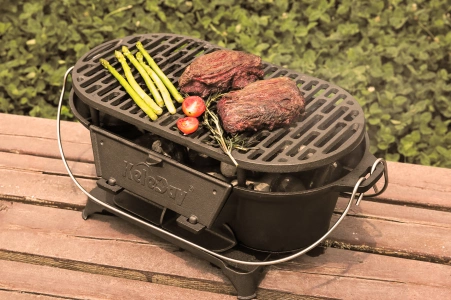
The garden rust BBQ grill captures the essence of rustic outdoor living, blending weathered patina with rugged functionality for an authentic grilling experience. Often crafted from cast iron or corten steel that develops a natural rust-like finish, the garden rust BBQ grill adds vintage appeal to any backyard or patio while delivering superior heat retention and smoky flavors that modern stainless steel grills can’t replicate.
In this comprehensive guide, we’ll explore the history, design benefits, maintenance tips, recipes, and why sourcing a garden rust BBQ grill from trusted manufacturers like those at chinacastiron.com creates unforgettable garden gatherings.
The Allure and History of the Garden Rust BBQ Grill
The rustic aesthetic of the garden rust BBQ grill draws from centuries of open-fire cooking. Early grills were simple iron setups over campfires, evolving in the 19th century with cast iron’s popularity for its durability. The intentional “rust” patina—often from corten steel that forms a protective oxide layer—gained traction in modern design for its low-maintenance, weathered look that blends seamlessly with natural gardens.
Mid-20th-century backyard barbecuing popularized portable and built-in grills, while today’s garden rust BBQ grill revives that charm with eco-friendly materials and artistic flair. Styles range from Argentinian asado-inspired to classic hibachi, all embracing rust as a feature rather than a flaw.
Design Features That Define the Garden Rust BBQ Grill
What sets the garden rust BBQ grill apart?
- Material Mastery — Cast iron or corten steel for controlled rust patina that protects against further corrosion.
- Rustic Aesthetics — Weathered finishes in earthy tones complement garden settings.
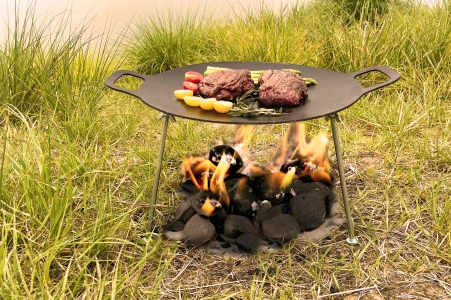
- Functional Elements — Adjustable grates, swivel arms, and integrated fire pits for versatile cooking.
- Sizes and Styles — From compact tabletop hibachis to large Santa Maria-style with wheels.
- Heat Performance — Excellent retention for even searing and slow roasting.
Premium options from chinacastiron.com often include pre-seasoned surfaces for immediate use.
Benefits of Choosing a Garden Rust BBQ Grill
- Timeless Appeal → Enhances garden decor with vintage, industrial charm.
- Superior Cooking → Cast iron sears meats perfectly and imparts deep flavors.
- Low Maintenance → Protective rust layer eliminates frequent painting.
- Durability → Withstands elements far better than painted steel.
- Eco-Friendly → Natural materials and long lifespan reduce waste.
The garden rust BBQ grill turns ordinary barbecues into atmospheric events.
Setting Up Your Garden Rust BBQ Grill
Position on stable, non-flammable surface. Build fire gradually. Use long tools for safety. Integrate into garden layouts with surrounding seating.
The Complete Restoration Process – From Rusty Relic to Seasoned Champion
Restoring a garden rust BBQ grill is a rewarding project. Patience is your most important tool.
Step 1: Assessment and Initial Cleaning
Safety First: Wear heavy-duty gloves and safety glasses. Rust flakes and cleaning solutions can be irritants.
Initial Inspection: Determine the extent of the rust. Is it light and flaky, or deep and pitted? Check for cracks or severe thinning metal.
Dry Scrubbing: Use a stiff wire brush or scraper to remove loose rust, old charcoal, and debris. Do this outside to contain the mess.
Step 2: The Heavy-Duty Rust Removal
You have several effective options:
White Vinegar Bath: For grates and smaller parts, a 1:1 solution of white vinegar and water in a large tub works wonders. Submerge the pieces for 1-3 hours. Do not exceed this, as vinegar can etch the metal. Scrub vigorously with a wire brush or steel wool.
Electrolysis: For the serious restorer, this method uses a battery charger and a washing soda solution to pull rust off at a molecular level. It’s highly effective for severe cases without damaging the iron.
Commercial Rust Removers: Follow product instructions carefully. Always rinse and neutralize afterward.
After any wet method, you must dry the cast iron immediately and thoroughly. Use old towels and then place the pieces on a hot grill or in a warm oven for 15-20 minutes to drive off all moisture. This is critical to prevent flash rusting.
Step 3: The Ritual of Seasoning
Seasoning is the process of baking oil into the iron’s pores, creating a natural, non-stick, and rust-resistant polymerized layer. This is where your grill transforms.
Choose Your Oil: High-smoke-point oils are best. Flaxseed oil (controversial for its long-term durability but beautiful), grapeseed oil, or classic Crisco are excellent choices.
Apply Thinly: Coat every single surface of the clean, warm grill with a very thin layer of oil. Wipe it off as if you made a mistake—this prevents sticky buildup.
Bake/Burn It On: For grill grates and bowls, the best method is to use the grill itself.
Arrange your charcoal for indirect heat or use the burners on one side of a gas grill.
Place the oiled cast iron parts over indirect heat.
Close the lid and let the temperature climb to around 400-450°F (200-230°C).
Let it bake for an hour. Turn off the heat and let everything cool slowly inside.
Repeat: The first layer is just the start. For a durable, jet-black finish, apply 3-5 thin layers of seasoning. The team at https://chinacastiron.com/ emphasizes that patience in building seasoning is the true secret to a legendary cooking surface.
Mastering the Garden Rust BBQ Grill – Cooking and Maintenance
With your grill restored, it’s time for the payoff.
Cooking on Cast Iron:
Preheating is Non-Negotiable: Give your cast iron grates ample time (10-15 minutes) to heat up over the fire. This ensures even cooking and prevents sticking.
Embrace the Smoke: The seasoned iron will contribute to flavorful searing. Use hardwood charcoal or add smoking chips for an extra layer of garden-to-table taste.
Tool Use: Use metal tools confidently on well-seasoned iron. Those satisfying grill marks are its specialty.
The Maintenance Cycle: Preventing the Return of the Rust
This is the ongoing commitment that keeps your grill in peak condition.
Post-Cook Cleaning: While the grill is still warm (not scalding hot), use a stiff grill brush to remove food particles. For stuck-on bits, a ball of crumpled aluminum foil gripped with tongs works brilliantly.
The Light Oil Coat: After brushing, take a paper towel folded into a small pad, dip it in a high-smoke-point oil, and grip it with tongs. Quickly and lightly wipe it over the warm grates. This replenishes the seasoning after each use.
Storage is Key: This is the most crucial step for a garden grill. Always store it covered and dry.
The Gold Standard: Store it inside a shed or garage.
If it Must Stay Outdoors: Invest in a high-quality, waterproof, and breathable grill cover. A fully sealed cover can trap condensation, causing the very rust you’re trying to prevent. Ensure the grill is completely cool and dry before covering.
Off-Season Prep: If you live in a climate with harsh winters and won’t be grilling, give it a thorough clean, apply a generous coat of oil for protection (a “storage seasoning”), and keep it in a dry, indoor space.
For maintenance tools, specialized covers, and premium oils to keep your grill in fighting shape, exploring a dedicated cast iron resource like https://chinacastiron.com/ can provide curated products that make upkeep simpler and more effective.
Conclusion: Your Legacy in the Garden Begins Now
Don’t let rust be a death sentence for your outdoor culinary dreams. With the steps outlined in this guide—armed with wire brushes, oil, heat, and knowledge—you can resurrect any cast iron grill. You’ll not only gain an unparalleled cooking instrument but also forge a deeper connection to your food, your garden, and the timeless traditions of open-flame cooking.
So head out to the garden, assess that rusty beast, and begin. The first step in a hundred-year journey is restoring it today. And remember, for inspiration, supplies, or a new chapter in your cast iron story, https://chinacastiron.com/ is just a click away. Now, fire up the coals. It’s time to grill.