The Complete Guide to Metal Campfire Fire Pits: Engineering the Perfect Outdoor Experience
When it comes to outdoor adventures, nothing captures the spirit of camping quite like a fire pit. It brings warmth, light, and an authentic atmosphere to any outdoor setting. Among the wide variety of designs, the campfire fire pit metal stands out as a durable, practical, and versatile option.
This comprehensive guide explores everything you need to know about campfire fire pit metal — from history and materials to cooking techniques, safety tips, and future innovations.
Introduction: Why Metal Fire Pits Dominate the Outdoors
Since humans first discovered fire, we’ve sought better ways to contain, control, and enjoy its warmth. The modern campfire fire pit metal represents the culmination of centuries of innovation—a perfect marriage of primal appeal and practical engineering. Unlike traditional stone fire pits or temporary fire rings, a well-designed campfire fire pit metal offers portability, durability, and efficient heat management that enhances outdoor experiences while minimizing environmental impact.
The choice of metal as the primary material for campfire fire pit construction isn’t accidental. Metals like steel, iron, and specialized alloys provide the perfect balance of heat resistance, structural integrity, and workability that makes them ideal for containing fires.
A campfire fire pit metal is specifically designed to provide a safe and efficient way to enjoy outdoor fires. Unlike stone or ceramic pits, metal pits offer:
Portability for campers and RV travelers.
Strength to endure high temperatures.
Compatibility with cast iron cookware.
Longevity with proper maintenance.
This balance between durability and usability makes campfire fire pit metal a top choice for outdoor enthusiasts.
Types and Characteristics of Campfire Pit Metals
1.Steel: The Workhorse of Fire Pit Construction
Steel remains the most popular material for campfire fire pit metal construction due to its excellent balance of affordability, durability, and heat tolerance:
Carbon Steel Varieties:
Excellent heat retention and distribution properties
Typically coated with high-temperature paint for corrosion resistance
May develop a protective patina over time with proper care
Generally more affordable than stainless alternatives
Stainless Steel Options:
Superior corrosion resistance, ideal for coastal environments
Higher chromium content provides natural rust resistance
Maintains appearance with minimal maintenance
Often used in premium campfire fire pit metal models
Corten Steel Specialties:
Develops a stable rust-like appearance that protects against further corrosion
Popular in architectural and landscape applications
Requires no painting or finishing maintenance
The weathered appearance blends naturally with outdoor environments
2.Cast Iron: The Traditional Choice
While heavier than steel alternatives, cast iron offers unique advantages for campfire fire pit metal applications:
Heat Retention Superiority:
Unmatched ability to absorb and radiate heat steadily
Provides consistent warmth long after the fire diminishes
Develops excellent seasoning with proper maintenance
Durability Considerations:
Extremely long lifespan with proper care
Can crack if subjected to rapid temperature changes
Requires regular seasoning to prevent rust
The weight provides stability but limits portability
3.Specialized Alloys and Composites
Aluminum Variations:
Extremely lightweight and corrosion-resistant
Lower heat tolerance than steel or iron
Often used in portable and backpacking models
Requires heat-diffusion technology to prevent melting
Titanium Innovations:
The strongest weight-to-strength ratio available
Completely corrosion-proof and incredibly durable
Reserved for high-end ultralight campfire fire pit metal models
Premium price point justified by exceptional performance
How to Use a Campfire Fire Pit Metal
Place on a stable, non-flammable surface.
Load kindling and hardwood.
Start fire using teepee or log cabin method.
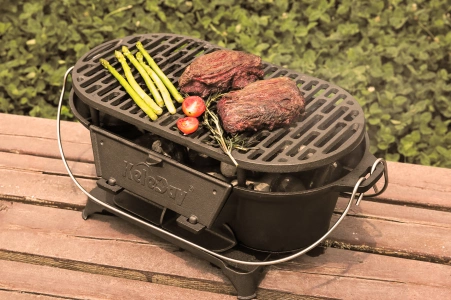
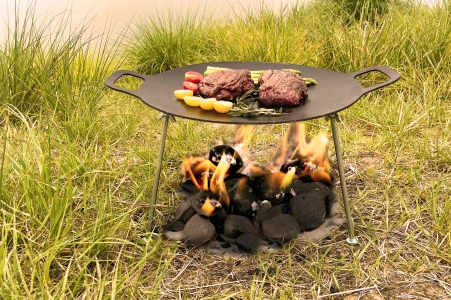
Add a grill rack or pan for cooking.
Extinguish completely with water or sand after use.
Selecting the Right campfire fire pit metal
1.Size and Scale Considerations
Personal and Backpacking Models:
Typically 18-24 inches in diameter
Focus on lightweight materials and compact storage
Suitable for 2-4 person gatherings
Often feature simple, minimalist designs
Family and Group Units:
30-36 inch diameters accommodating larger fires
Heavier construction for increased durability
Often include cooking surfaces and accessories
Ideal for car camping and backyard use
Entertainment-Focused Designs:
Large capacities for social gatherings
May include extended cooking surfaces
Often feature premium materials and finishes
Designed as permanent or semi-permanent installations
2.Feature Analysis for Different Applications
Cooking-Focused Priorities:
Compatible with grill grates and cooking accessories
Adequate heat control for various cooking methods
Ash management systems for easy cleanup
Portability Requirements:
Lightweight materials that don’t sacrifice durability
Collapsible or nesting designs for compact storage
Integrated carrying handles or cases
Quick assembly/disassembly mechanisms
Aesthetic Considerations:
Designs that complement outdoor décor
Finishes that develop attractive patina over time
Customizable options for unique installations
Architectural elements that enhance landscape design
Advanced Fire Management Techniques
1.Fuel Selection and Preparation
The right fuel choice significantly impacts your campfire fire pit metal experience:
Wood Fuel Considerations:
Hardwoods like oak and maple provide longer burn times
Softwoods ignite easily but burn quickly
Proper seasoning (drying) is essential for clean burning
Local wood sources prevent invasive species spread
Alternative Fuel Options:
Charcoal for consistent, controllable heat
Propane conversions for convenience and clean burning
Bioethanol for smokeless, odorless flames
Composite logs for extended burn times
2.Fire Building Methods for Metal Containers
The Top-Down Fire Method:
Place largest logs on bottom, progressively smaller upward
Creates less smoke and requires less tending
Ideal for metal campfire fire pit applications
Provides consistent heat as fire burns downward
Traditional Teepee Approach:
Excellent for quick ignition and dramatic flames
Requires more active management and feeding
Perfect for social fires with continuous feeding
Creates focused heat concentration
Safety Tips for Using Campfire Fire Pit Metal
Keep water nearby.
Never use in restricted fire zones.
Don’t overload with wood.
Keep children and pets at a safe distance.
Ensure complete extinguishing after use.
Maintenance and Longevity
Proper care keeps your campfire fire pit metal working for years:
Clean out ash after each use.
Apply oil coating to cast iron to prevent rust.
Store in dry areas.
Inspect bolts and joints on collapsible designs.
Creative Applications and Enhancements
1.Landscape Integration
Permanent Installation Considerations:
Create stone or paver bases for stability
Incorporate seating walls for social areas
Add lighting for evening ambiance and safety
Consider sight lines and traffic patterns
Portable Application Ideas:
Beach fires where permitted by local regulations
Tailgating and mobile social gatherings
Camping trips with varying site conditions
Seasonal placement in optimal locations
2.Accessory Integration
Cooking Enhancements:
Grill grate systems for versatile cooking
Rotisserie attachments for specialty cooking
Dutch oven compatibility for traditional methods
Skewer and kebab systems for social cooking
Comfort and Ambiance Features:
Spark screens for safety in crowded areas
Cooking surface extensions for meal preparation
Wind shields for consistent performance
Carrying systems for portable models
Conclusion
The campfire fire pit metal is the ultimate outdoor companion, offering warmth, versatility, and durability. Whether you’re grilling burgers, stewing chili, or simply enjoying a cozy evening under the stars, this tool elevates the outdoor experience.
Pair your campfire fire pit metal with high-quality cast iron cookware, portable oven grills, and camping gas stoves for a complete campfire cooking arsenal.
With proper care, your fire pit will serve not just as a cooking tool but as the heart of your outdoor memories.