The Iron Pan Grill: Your Definitive Guide to the Ultimate Searing Machine
In the pursuit of culinary perfection, few moments are as satisfying as the sound of a perfectly seared steak meeting a hot surface. That sharp, confident sizzle is the sound of flavor being born. While outdoor grills have their place, there is a tool that offers unparalleled control, superior searing power, and year-round convenience: the Iron Pan Grill.
This isn’t just a piece of cookware; it’s a fundamental tool that bridges the gap between the primal allure of grilling and the precision of stovetop cooking. Often embodied by the legendary cast iron skillet or a dedicated cast iron grill pan, the Iron Pan Grill is a concept built on the immutable principles of heat, mass, and chemistry. This definitive guide will explore why an Iron Pan Grill is arguably the most versatile and effective tool for creating restaurant-quality results at home, delving into its science, its soul, and its practical mastery.
Demystifying the Iron Pan Grill – More Than a Pan, It’s a System
What exactly is an Iron Pan Grill? The term can be understood in two complementary ways:
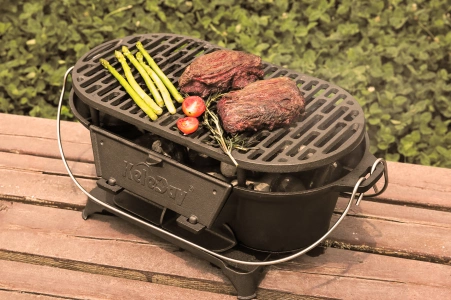
A Type of Cookware: This refers to any heavy-duty pan made from iron—most notably cast iron—that is used for grilling, searing, and cooking at very high temperatures. This includes the classic cast iron skillet and the dedicated cast iron grill pan with its characteristic raised ridges.
A Cooking Method: It represents a technique. “To iron pan grill” means to cook food using the intense, radiant heat of a preheated iron surface, achieving a deep sear and complex flavor profile that is distinct from boiling, steaming, or baking.
The magic of this system doesn’t come from a non-stick coating or a technological gimmick; it comes from the inherent properties of the iron itself. When you understand these properties, you unlock the ability to harness this tool’s full, formidable potential.
Cooking with an Iron Pan Grill Indoors
Cooking indoors with an iron pan grill is a game-changer. Here’s how to make the most of it:
Perfect Grill Marks: Preheat the pan until smoking hot, then place your steak or chicken to achieve professional grill lines.
Roasting Vegetables: Use minimal oil to char peppers, zucchini, or mushrooms.
Baking Bread and Pizza: The high heat retention creates crisp crusts and fluffy insides.
Unlike standard non-stick pans, an iron pan grill can withstand oven temperatures, making it a versatile indoor tool.
Outdoor Cooking with an Iron Pan Grill
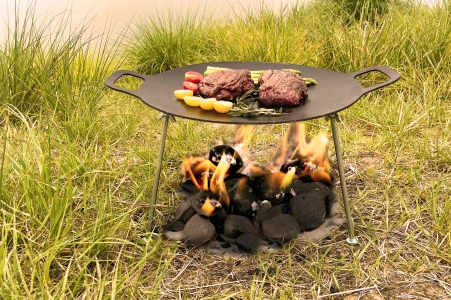
The iron pan grill shines brightest outdoors. Whether you’re camping, tailgating, or having a backyard BBQ, it’s a reliable tool for open-fire cooking.
Campfire Cooking: Place it directly over coals for rustic flavor.
Portable Grilling: Ideal for road trips and outdoor picnics.
Durability Outdoors: Resistant to weather and high-heat conditions.
Cooking outdoors with an iron pan grill provides a smoky flavor that enhances meat, seafood, and vegetables.
Best Foods to Cook with an Iron Pan Grill
The versatility of the iron pan grill means you can cook almost anything:
Steaks & Burgers: Juicy inside, crispy seared outside.
Seafood: Salmon, shrimp, and scallops benefit from even cooking.
Vegetables: Charred corn, peppers, or asparagus with a smoky flavor.
Flatbreads & Tortillas: Crisp texture with traditional grill lines.
The Care and Feeding of Your Iron Pan Grill
A proper relationship with your Iron Pan Grill involves simple but consistent maintenance.
Cleaning:
Cool: Let the pan cool down until it’s warm to the touch.
Scrub: Use hot water and a stiff brush or chainmail scrubber to clean off food residue. For a skillet, a spatula can be useful for scraping. For a grill pan, a dedicated brush with stiff, angled bristles is ideal for cleaning the ridges and channels.
Soap? A small amount of modern, mild soap is generally considered acceptable today and won’t harm a well-established seasoning. The old “no soap” rule stemmed from when soap contained lye, which would strip seasoning. However, many purists still avoid it, and it’s not strictly necessary.
Drying and Re-oiling:
Dry Thoroughly: This is critical. Rust is the enemy of iron. Dry the pan completely with a towel immediately after washing.
Heat to Finish: Place the clean, dry pan on a warm stovetop burner for a minute or two to evaporate any remaining moisture.
Re-oil: While the pan is still warm, apply a microscopically thin layer of a neutral oil to the entire cooking surface with a paper towel. Then, take a fresh paper towel and wipe out as much oil as you can. You should be left with a thin, almost dry film. This protects the iron and builds the seasoning over time.
Conclusion: The Timeless Value of an Iron Pan Grill
The iron pan grill is more than just cookware—it’s a tool for creating memories, whether in the kitchen or by the campfire. Its durability, versatility, and ability to enhance flavor make it a must-have for anyone passionate about cooking.
By investing in a quality iron pan grill, you’re not only elevating your meals but also owning a piece of culinary tradition that will last for generations.