The Bushcraft Dutch Oven Tripod: Mastering the Primitive Art of Open-Fire Cooking
In the world of bushcraft, where skill and self-reliance reign supreme, there are few skills as deeply satisfying as preparing a meal over an open fire you’ve built yourself, using tools you’ve crafted or mastered. At the pinnacle of this primitive culinary art stands a timeless combination: the Bushcraft Dutch Oven Tripod. This setup is not merely a way to cook food; it is a statement of capability, a connection to wilderness lore, and the ultimate tool for creating soul-warming feasts in the heart of the wild.
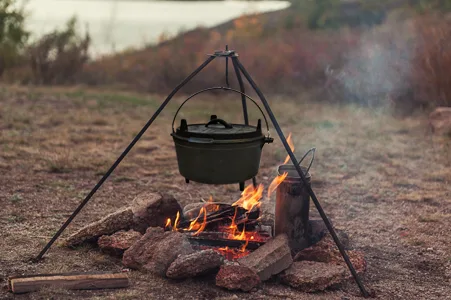
A Bushcraft Dutch Oven Tripod is a system comprising a classic cast iron Dutch oven suspended from a tripod made from natural, harvested wood. It represents the perfect marriage of a timeless cooking vessel and a primitive, field-expedient support structure. This guide will take you through the history, the craft, and the technique of using this iconic setup, transforming your next camping trip into a true backcountry culinary adventure.
What Is a Bushcraft Dutch Oven Tripod?
A Bushcraft Dutch oven tripod is a three-legged stand made from steel, iron, or natural wood, designed to suspend a Dutch oven over an open flame. It typically includes:
Three legs (steel, cast iron, or branches)
A top ring or hook structure
An adjustable hanging chain
A swivel hook for leveling the pot
Optional grill or accessories
In bushcraft settings, many outdoor enthusiasts even craft a temporary tripod using natural wood limbs and cordage. However, metal tripods offer greater strength, safety, and long-term reliability — especially for heavy cast iron Dutch ovens.
Why the Bushcraft Dutch Oven Tripod Is Popular in Bushcraft Culture
The Bushcraft Dutch oven tripod is a symbol of traditional outdoor living and primitive cooking. It is popular for several key reasons:
A. Extremely Versatile
You can use it for:
Boiling
Baking
Stewing
Frying
Grilling (with grate attachment)
Coffee brewing
Heating water
B. Works in Any Environment
Whether you’re in:
Forest
Mountains
Desert
Lakeside
Backcountry
A tripod adapts easily to any fire pit or ground surface.
C. Ideal for Heavy Cast Iron
Cast iron Dutch ovens require stable support. The tripod provides equal weight distribution and prevents tipping.
D. Perfect for Bushcraft Skills Training
It teaches:
Fire management
Primitive cooking
Camp tool crafting
Heat control
Outdoor survival techniques
These advantages make the Bushcraft Dutch oven tripod the preferred cooking system for both beginners and experienced outdoor enthusiasts.
Why the Dutch Oven and Tripod Belong Together
To understand the Bushcraft Dutch Oven Tripod is to understand the strengths of its individual components and the synergy they create.
The Cast Iron Dutch Oven: The Wilderness Kitchen Workhorse
No other pot is as suited for bushcraft cooking. Its virtues are legendary:
Unbeatable Heat Retention and Distribution: Cast iron heats slowly and evenly, eliminating hot spots and making it perfect for the fluctuating heat of a wood fire. It’s ideal for everything from searing to slow simmering.
Incredible Durability: It can withstand direct contact with flames and embers, and if cared for properly, it can last a lifetime—or several.
Supreme Versatility: It functions as a pot, a frying pan, a steamer, and, with coals on the lid, an oven. This one vessel can bake bread, stew a rabbit, fry fish, and boil coffee.
The Bushcraft Tripod: Elegant Simplicity and Function
The tripod is one of humanity’s oldest mechanical structures, prized for its inherent stability on uneven ground. In a bushcraft context, it provides:
Adjustable Height: This is the system’s superpower. By raising or lowering the pot, you gain precise control over cooking temperature. Lower it for a rolling boil, raise it for a gentle, all-day simmer.
Stability and Safety: It provides a secure platform for a heavy, hot pot, a far cry from the precarious balance of rocks.
Use of Natural Materials: It embodies the bushcraft ethos of creating what you need from the resources around you.
When combined, the Bushcraft Dutch Oven Tripod becomes a complete, adjustable, and highly efficient outdoor kitchen. It allows you to harness the full potential of your Dutch oven, giving you a level of culinary control in the wild that is otherwise impossible to achieve.
The Craft: Building Your Own Bushcraft Tripod
Building a sturdy and functional tripod is a fundamental bushcraft skill. Here’s how to do it right.
1. Harvesting the Right Wood:
Species: Look for strong, straight, green hardwood saplings like oak, hickory, maple, or ash. “Green” wood (live wood, not deadfall) is crucial as it is more flexible and less likely to snap when bearing weight over the fire. Avoid softwoods like pine, as they burn through quickly and can be resinous.
Size: Each leg should be about 1.5 to 2 inches in diameter at the base and 6-8 feet long, depending on your desired height.
2. The Tools of the Trade:
A sharp axe or a robust saw is essential for harvesting and processing the wood. A good knife, preferably a fixed-blade bushcraft knife, is necessary for carving notches and whittling pegs.
3. The Build: A Step-by-Step Guide
Prepare the Legs: Trim off all side branches and sharpen the thick end of each leg to a point. This will help anchor them firmly into the ground.
Carve the Crotch Notches: About 6-8 inches from the top of each leg, carve a deep, V-shaped notch. This is where the legs will interlock. The precision of these notches determines the stability of the entire structure.
Assemble the Legs: Bring the three legs together at the top, interlocking the notches. The legs should splay out naturally to form a stable pyramid.
Lash the Apex: Use a sturdy cordage—paracord works, but natural cordage like braided bark root is truly in the bushcraft spirit—to tightly lash the three legs together where they meet. A tight square lashing or tripod lashing is perfect for this.
Add the Pot Hanger: This is the final critical component. Find a strong, green stick about 2-3 feet long. This will be your pot hanger. Carve a large hook on one end to hold the Dutch oven’s bail (handle). Rest this hanger stick in the junction of the lashed legs. The weight of the pot will secure it in place. You can adjust the height by simply sliding the hanger stick back and forth.
Your Bushcraft Dutch Oven Tripod is now ready for action.
How a Bushcraft Dutch Oven Tripod Works
The physics behind the tripod is surprisingly simple.
1. Three Points of Contact
Three legs always create a stable surface, even on uneven ground.
2. Chain Height Adjustment
Raising the Dutch oven decreases heat; lowering it increases heat.
3. Center Weight Distribution
Perfect for cast iron pots containing heavy stews or meats.
4. Efficient Heat Circulation
Hanging the pot avoids burning the bottom.
This is why professional outdoor cooks prefer the Bushcraft Dutch oven tripod over placing the pot directly on coals.
Bushcraft Cooking Techniques Using a Dutch Oven Tripod
Outdoor cooking is a skill, and mastering these techniques will elevate your entire bushcraft experience.
1. Slow Stewing
Suspend the Dutch oven higher for slow simmering.
Great recipes:
Beef stew
Venison chili
Mountain-style vegetable soup
2. Baking (Bread / Biscuits)
Adjust chain until the pot is ideally positioned above the coals.
3. Frying & Searing
Lower the pot close to the flames.
4. Smoking Meat
Use low flame and increased distance.
5. Boiling Water
Essential for survival, hygiene, and food prep.
6. Open-Fire Grilling
Add a grill plate to the tripod.
All these methods become easier with a well-designed Bushcraft Dutch oven tripod.
Fire Management for Tripod Cooking
Fire control is one of the most important bushcraft skills.
Hardwood vs Softwood
Hardwood burns:
Longer
Hotter
More consistently
Wind Considerations
Always set your tripod on the wind-shaded side for stable flames.
Coal Bed Cooking
The secret to Dutch oven mastery is cooking with coals, not fire.
Heat Control Techniques
Raise the chain for gentle simmer
Lower for high-heat frying
Swing the pot to reduce burning
Use these strategies with any Bushcraft Dutch oven tripod to elevate your cooking.
Safety Tips When Using a Bushcraft Dutch Oven Tripod
Tripod cooking involves real fire, so proper safety habits are essential.
1. Secure Ground Contact
Make sure all tripod legs are firmly planted.
2. Use Heat-Resistant Gloves
Cast iron gets extremely hot.
3. Keep the Chain Clean
Avoid grease buildup.
4. Maintain Safe Distance
Especially when cooking with children or groups.
5. Ensure Proper Ventilation
Never use indoors.
The Deeper Value – More Than Just a Meal
The Bushcraft Dutch Oven Tripod offers rewards that go beyond a full belly.
A Connection to Heritage: Using this setup connects you to frontiersmen, cowboys, and indigenous cultures who relied on this exact same technology for survival.
The Satisfaction of Skill: The deep satisfaction derived from building the tripod, managing the fire, and producing a delicious meal is immense. It is a tangible demonstration of self-reliance.
The Center of Camp: A Bushcraft Dutch Oven Tripod naturally becomes the social and functional heart of your campsite, drawing people in and fostering community.
Conclusion: Embracing the Primitive Gourmet
In a world of lightweight, high-tech gear, the Bushcraft Dutch Oven Tripod stands as a testament to the enduring power of simple, effective tools and deep, practiced skills. It challenges you to slow down, to observe, and to participate fully in the process of creating sustenance.
Mastering the Bushcraft Dutch Oven Tripod is a journey. It will teach you about wood, fire, and food in a way no modern appliance can. So, grab your axe, your pot, and a sense of adventure. Head into the woods, build your tripod, and discover the profound pleasure of cooking a meal that is not just eaten, but earned.