How to Clean and Maintain Rusted Cookware: A Gentle, Aesthetic Restoration Guide
Finding a layer of orange rust on your favorite skillet or a cast iron wok set can be heartbreaking. However, in the world of metallurgy, surface rust is rarely a death sentence; it is merely a temporary state of oxidation. As we move through 2026, the trend in cookware maintenance has shifted toward “gentle restoration”—methods that protect the integrity of the iron and the skin of the user.
For retailers and wholesalers, being able to advise customers on how to save a rusted unit is a powerful value-add. This guide, featuring professional techniques from China Cast Iron, will teach you how to remove rust and maintain your gear while keeping it looking showroom-ready.
Assessing the Damage: Surface Rust vs. Structural Pitting
Before you begin, you must determine if the piece is salvageable.
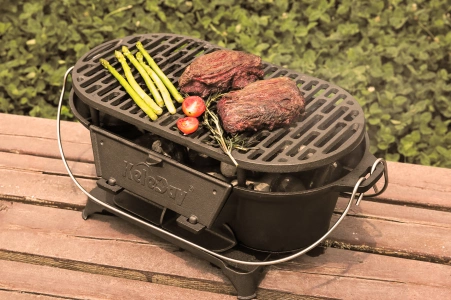
Surface Rust: A thin, powdery orange layer. This is easily removed and common in folding BBQ grill wholesale stock that has been exposed to humidity.
Structural Pitting: Deep “craters” in the metal. While the piece is still safe to use on a high power gas stove, it will never be perfectly smooth again.
The “Gentle” Cleaning Protocol: No Harsh Chemicals Required
Many old-school guides suggest using lye or harsh oven cleaners. In 2026, we prioritize eco-friendly and skin-safe methods that preserve the “heirloom” look of China Cast Iron products.
Step 1: The Salt and Oil Scrub (The Aesthetic Choice)
For light rust, avoid water initially.
Pour half a cup of coarse kosher salt into the rusted griddle with high rim.
Add a tablespoon of vegetable oil.
Use a soft cloth or a potato half to scrub. The salt acts as a gentle abrasive that removes rust without scratching the underlying iron “skin.”
Step 2: The Vinegar Soak (For Moderate Rust)
If the rust is stubborn, use a 50/50 mix of water and white distilled vinegar.
Safety Note: Do not soak for more than 1 hour. Vinegar is an acid; it will eat the rust first, but it will eventually eat the iron.
After the soak, the rust should wipe away easily. Rinse with cold water immediately to neutralize the acid.
Step 3: Scouring with Chainmail
For heavy-duty restoration on a cast iron wok set, use a high-quality stainless steel chainmail scrubber. This tool is designed to remove debris through mechanical friction rather than chemical stripping, making it much safer for your hands.
Daily Cleaning Routine (30–90 seconds, Hands Protected)
The daily clean is the most important habit — it prevents 95 % of future problems.
Step-by-step routine:
- While still hot (immediately after cooking)
- Scrape food residue with a metal or chain-mail scraper (10–20 seconds)
- Do NOT use cold water yet — hot metal releases food easily
- Quick rinse
- Run under hot tap water (no soaking)
- If greasy → one small drop of pH-neutral dish soap (Dawn, Fairy, etc.) + soft brush or chain-mail (modern soaps do negligible damage to mature seasoning/patina)
- Dry completely
- Place back on medium burner for 30–60 seconds — heat drives off moisture
- Never air-dry — this is the #1 cause of flash rust
- Protective oil wipe
- Apply very thin layer of neutral oil (grape seed, avocado, canola, grapeseed)
- Wipe almost dry with paper towel — you want a micro-layer, not a greasy film
- For rusty exterior accents → same thin oil helps stabilize the patina
- Cool & store
- Let cool naturally
- Store in dry place (silica packs if humid climate)
- Optional: paper towel inside pot to absorb residual moisture
Hand protection tips
- Use heat-resistant silicone gloves or BBQ mitts when handling hot pan
- Chain-mail scrubber or scraper has no sharp edges — safe for hands
- Oil wipe — use paper towel, not bare fingers (avoids oil buildup on skin)
This routine keeps both cooking surface and rusty exterior beautiful without effort.
Removing Burnt-On Food Without Damaging the Look
Method 1: Hot scrape (daily prevention)
- Scrape while hot → 90 % of stuck food comes off easily
Method 2: Coarse salt + heat
- Sprinkle coarse salt, heat on medium, scrub with chain-mail or paper towel
- Salt absorbs grease & lifts carbon without scratching patina
Method 3: Vinegar steam
- Add 1/2 cup vinegar + 1/2 cup water → simmer 5–10 min → scrape softened residue
- Neutralize with baking soda rinse → dry & oil
Method 4: Bar Keepers Friend (gentle oxalic acid cleaner)
- For stubborn spots on cooking surface only
- Apply paste, wait 1–2 min, scrub lightly → rinse → dry & oil
- Safe on mature seasoning; do not use on rusty exterior
These methods keep the patina intact while restoring cooking performance.

Maintenance Secrets for Outdoor Gear
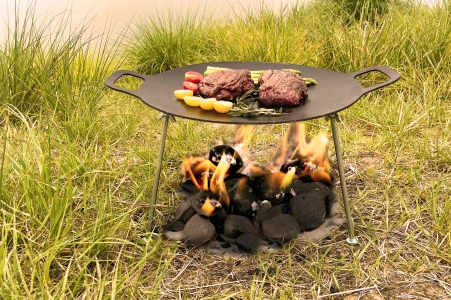
Outdoor equipment like a campfire tripod fire pit or a Dutch oven cooking tripod is at the highest risk for rust due to temperature fluctuations and dew.
Post-Fire Care: After cooking over a campfire tripod fire pit, do not leave the iron in the grass overnight. The moisture from the ground will cause “flash rust” by morning.
Wipe-Down Technique: Always keep a “greasy rag” in your outdoor kit. After use, give the tripod legs and the hanging pot a quick wipe while they are still warm to the touch.
Preventing Rust in Storage: The Professional Approach
If you are a distributor managing folding BBQ grill wholesale inventory or a home cook with limited space, storage is where rust is won or lost.
The Paper Towel Trick: When stacking a griddle with high rim or multiple skillets, place a paper towel between each layer. This absorbs ambient moisture and prevents the iron from “breathing” on itself.
Airflow is Essential: Never store your China Cast Iron with the lid tightly closed. A closed Dutch oven creates a micro-climate that traps humidity, leading to mold and rust.
Conclusion: A Lifetime of Beauty
Cleaning and maintaining rusted cookware doesn’t have to be a chore that ruins your hands or the appearance of your tools. By using gentle abrasives like salt, acidity controlled by time, and the restorative power of heat and oil, you can keep your cast iron wok set and other ironware in peak condition for decades.
Whether it’s a piece used on a portable gas burner or a heavy Dutch oven cooking tripod, remember that iron is resilient. With the right care, it will look better—and cook better—with every passing year.
References and Sources
Journal of Chemical Education: The Chemistry of Rust: Oxidation and Reduction of Ferrous Metals in Culinary Environments.
ASTM International: Standard Guide for Cleaning and Descaling Iron and Steel Surfaces (2025 Update).
Culinary Institute of America (CIA): The Professional Chef’s Guide to Cast Iron Maintenance and Patina Restoration.
National Association of Corrosion Engineers (NACE): Corrosion Prevention for Outdoor Cooking and Camping Equipment.
China Cast Iron Research Center: Comparative Study on Mechanical vs. Chemical Rust Removal for Pre-Seasoned Surfaces. https://chinacastiron.com/