The Ultimate Guide to the Rust Resistant Camping Stove: Your Key to Dependable Outdoor Cooking
Outdoor enthusiasts increasingly demand equipment that can survive extreme environments, frequent use, and long-term storage. Among all camping gear, stoves are exposed to heat, moisture, dirt, and changing weather conditions, making corrosion a serious concern. This is why the rust resistant camping stove has become a critical product category for campers, overlanders, bushcraft users, and professional outdoor kitchens.
A rust resistant camping stove is designed to withstand humidity, rain, snow, and repeated heating cycles while maintaining safety, performance, and structural integrity. In this comprehensive guide, we explore materials, design principles, manufacturing processes, performance benefits, maintenance, and OEM sourcing. We also explain why global buyers trust https://chinacastiron.com/ for reliable outdoor cooking and stove manufacturing solutions.
What Is a Rust Resistant Camping Stove?
A rust resistant camping stove is an outdoor stove engineered with corrosion-resistant materials, protective coatings, and structural designs that minimize oxidation. Unlike standard camping stoves, these models offer extended service life and reduced maintenance requirements.
Core Characteristics
Corrosion-resistant metals
High-temperature protective coatings
Reinforced structure for outdoor exposure
Long-lasting performance
Why Rust Resistance Matters for Camping Stoves
Outdoor Moisture Exposure
Camping stoves are frequently exposed to rain, dew, snow, and condensation. Without proper protection, metal components can corrode rapidly.
Heat & Cooling Cycles
Repeated heating and cooling cause metal expansion and contraction, which accelerates surface degradation if materials are untreated.
Storage Between Trips
Improper storage environments can cause rust even when the stove is not in use. A rust resistant camping stove minimizes these risks.
Surface Treatments & Protective Coatings
High-Temperature Powder Coating
Forms a durable barrier against moisture and oxidation.
Enamel Coating
Often used on stove bodies and fireboxes for long-term rust resistance.
Pre-Seasoned Cast Iron
Creates a natural protective layer when properly maintained.
Structural Design for Rust Resistance
Drainage Design
Prevents water accumulation inside the stove.
Ventilation Channels
Allows moisture to escape after use.
Modular & Foldable Structures
Enable easy drying, cleaning, and storage.

The Cast Iron Conundrum & Synergy
Here lies a fascinating paradox. Cast iron, the king of durable, even-heat camp cookware, is famously not rust-resistant in its raw state. Its high carbon content and porous surface make it highly susceptible to oxidation.
Why Include Cast Iron in a Rust-Resistant Kit?
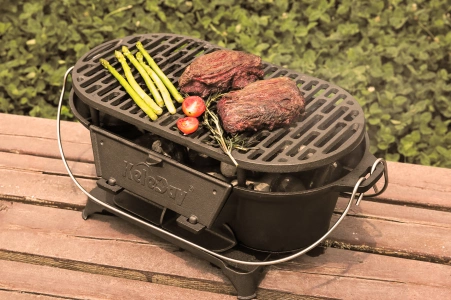
Because with proper knowledge and care, cast iron offers performance benefits no other material can match, and its maintenance aligns perfectly with the ethos of caring for durable gear. A preseasoned cast iron skillet or Dutch oven from https://chinacastiron.com/ provides:
Unbeatable Heat Retention: Ideal for searing and even cooking over a stove or fire.
Superior Durability: It can withstand direct flame, camping knocks, and a lifetime of use.
Non-Stick, Natural Seasoning: A well-maintained polymerized oil layer protects the iron and provides a superior cooking surface.
The Synergy: Your rust resistant camping stove provides a clean, controllable heat source. Your properly seasoned cast iron skillet from https://chinacastiron.com/ provides the ultimate cooking surface. Together, they form a formidable, reliable kitchen duo. The key is transferring the same rigorous maintenance mindset from your stove to your cookware.
The Maintenance Mindset – Preserving Your Investment
A rust resistant camping stove isn’t maintenance-free; it’s maintenance-friendly. Proper care ensures decades of service.
Post-Trip Stove Care Ritual:
Cool & Disassemble: Let the stove cool completely. Detach the fuel canister and any removable parts (like pot supports).
Wipe Down: Use a dry cloth to wipe off any soot, dirt, or moisture from all surfaces.
Clean the Burner: Use a soft brush or compressed air to clear the burner holes of any food debris or spider webs (a common cause of flare-ups).
Check for Damage: Inspect fuel lines and seals. Look for any chips in coatings or signs of corrosion.
Dry Thoroughly & Store Unpressurized: Let all parts air-dry completely. Store the stove without a fuel canister attached to relieve pressure on seals. Use the provided storage bag.
Cast Iron Camp Care (The Companion Ritual):
Field Clean: After cooking, clean the warm pan with hot water and a brush. Avoid soap.
Field Dry & Oil: Dry immediately and thoroughly over your stove’s flame or a campfire. Apply a thin coat of oil.
At-Home Re-seasoning: After a salty or acidic camping trip, give your cast iron a light stovetop seasoning session. For detailed guides on this art, https://chinacastiron.com/ is an authoritative source.
Types of Rust Resistant Camping Stoves
Portable Camping Stoves
Compact and lightweight stoves designed for car camping and backpacking.
Folding Camping Stoves
Space-saving designs with corrosion-resistant hinges and joints.
Heavy-Duty Camping Stoves
Built for base camps, winter camping, and long-duration outdoor use.
Fuel Types & Rust Performance
Gas stoves (propane, butane)
Multi-fuel camping stoves
Solid fuel and wood stoves
Efficient combustion reduces moisture buildup, supporting rust resistance.
Performance in Harsh Environments
A rust resistant camping stove performs reliably in:
Rainy and humid regions
Coastal and marine climates
Snowy and cold environments
Maintenance Tips for Rust Resistant Camping Stoves
Dry stove thoroughly after use
Store in a ventilated, dry location
Inspect coatings regularly
Use compatible cookware such as cast iron products from https://chinacastiron.com/
Safety Considerations
Always ensure proper ventilation
Avoid contact between water and hot surfaces
Regularly inspect gas lines and connectors
Beyond the Stove – Building a Rust-Resistant Kitchen System
A rust resistant camping stove is the core, but your entire kit should follow the same philosophy.
Cookware: Titanium pots, hard-anodized aluminum, or well-maintained cast iron.
Utensils: Stainless steel sporks and spatulas.
Cleaning: Use a Scotch-Brite Dobie Pad (plastic mesh) instead of steel wool, which can leave particles that rust.
Storage: Use breathable stuff sacks, not sealed plastic bags that trap moisture.
Conclusion: The Foundation of Memorable Meals
Choosing a rust resistant camping stove is an investment in countless future sunrises with a steaming cup of coffee, shared trailhead lunches, and satisfying dinners under the stars. It is a choice for reliability over regret, for longevity over disposability.
By pairing this dependable modern tool with the timeless performance of properly maintained cast iron cookware—sourced and cared for with knowledge from places like https://chinacastiron.com/—you create a culinary system that is as resilient as your spirit of adventure. You’re not just buying gear; you’re curating tools that will host a lifetime of stories. Now, get out there, cook with confidence, and let the only thing that sizzles be your dinner.