Cast Iron vs. Pig Iron: Which is Better for Your Health?
In the world of traditional metallurgy and modern culinary health, the debate between different types of iron cookware is ongoing. When consumers ask about the health benefits of iron, they often find themselves at a crossroads: Cast Iron vs. Pig Iron. While they share a common chemical ancestor, their manufacturing, safety profiles, and nutritional impacts vary significantly. This guide explores the health implications of using cast iron cookware versus raw pig iron and why the distinction matters for your kitchen.
Defining the Materials: The Fundamental Difference
Before assessing health impacts, we must define our terms.
Pig Iron: This is the crude, intermediate product of smelting iron ore in a blast furnace. It has a very high carbon content (usually 3.5%–4.5%), which makes it extremely brittle and unstable for direct cooking.
Cast Iron: This is pig iron that has been remelted and alloyed with silicon and other elements. It is refined to be durable, heat-retentive, and safe for food contact.
From a health perspective, “Pig Iron” is a raw industrial material, whereas cast iron products are the refined, food-grade result.
The Health Benefit: Iron Bioavailability and Supplementation
One of the primary reasons people switch to a cast iron skillet is to increase their iron intake. Iron deficiency (anemia) is a global health concern, and research suggests that cooking in iron vessels can help.
How Iron Leaching Works
When you cook acidic foods (like tomatoes or citrus) in a cast iron pot, small amounts of ferrous and ferric iron are released into the food.
Study Insight: Research published in the Journal of Food Science found that cooking in cast iron cookware significantly increased the iron content of foods, especially those with high moisture and acidity.
Pig Iron Risks: Raw pig iron often contains impurities from the smelting process (such as sulfur or phosphorus) that are not suitable for ingestion. Using refined cast iron ensures you are getting “clean” dietary iron.
Safety and Purity: The Danger of Impurities
The “healthiness” of a pan depends largely on what else is in the metal.
The Refining Process
During the production of a cast iron pan, the metal undergoes strict quality control to remove heavy metals like lead or cadmium.
Pig Iron: Since it is an industrial precursor, pig iron is not held to food-safety standards. It may contain trace heavy metals that could leach into food.
Standardized Cast Iron: High-quality manufacturers, such as those found at chinacastiron.com, ensure that the alloy is purified for kitchen use.
The Role of Seasoning: Physical vs. Chemical Health
A major health concern with modern cookware is the use of PFOAs and “forever chemicals” in synthetic non-stick coatings.
Natural Non-Stick
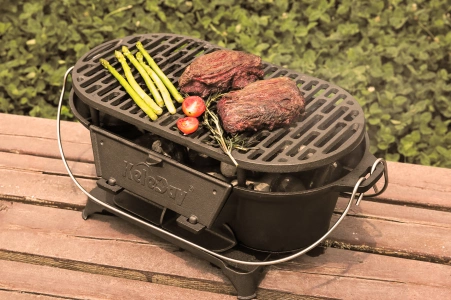
Cast iron cookware uses “seasoning”—a layer of polymerized vegetable oil.
Chemical-Free: Unlike Teflon, a well-seasoned cast iron skillet releases no toxic fumes at high temperatures.
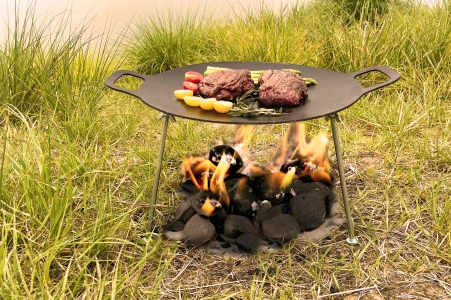
Fat Reduction: Once a cast iron griddle is perfectly seasoned, you actually need less oil to cook, leading to lower-calorie meals.
Comparative Table: Health and Performance
| Feature | Raw Pig Iron | Refined Cast Iron |
| Dietary Iron Leaching | Unpredictable / High | Controlled / Beneficial |
| Heavy Metal Risk | High (Unrefined) | Low (Food Grade) |
| Durability | Brittle / Prone to cracking | High / Lifetime use |
| Non-Stick Ability | None | Excellent (via Seasoning) |
| Food Safety | Not recommended | FDA/LFGB Compliant |

Myths About “Raw Iron” Benefits
In some traditional markets, “raw pig iron” is marketed as more “natural.” However, from a medical standpoint, “natural” does not always mean “healthy.”
The carbon flakes in cast iron products are structurally integrated to provide thermal mass without breaking. Using industrial-grade iron (Pig Iron) can lead to “iron poisoning” if the leaching is too aggressive or contaminated with smelting byproducts.
Conclusion: Which is Better for Your Health?
The winner is, without question, Refined Cast Iron.
While pig iron is the “ancestor” of all iron pans, it lacks the purification and structural integrity required for safe, long-term cooking. By choosing a high-quality cast iron pot or skillet, you gain:
Safe iron supplementation.
A chemical-free cooking surface.
The peace of mind that comes from food-grade manufacturing.
For those looking to improve their kitchen health profile, investing in certified cast iron cookware is the most scientifically sound choice.
References & Bibliography
Geerligs, P. D. et al. (2003). Food preparation in iron cooking pots as a strategy for modifying iron deficiency. Public Health Nutrition.
Brittin, H. C., & Nossaman, C. E. (1986). Iron content of food cooked in iron utensils. Journal of the American Dietetic Association.
Metallurgy and Food Safety Standards: China Cast Iron Manufacturing Quality Guidelines.
World Health Organization (WHO): Iron Deficiency Anaemia: Assessment, Prevention, and Control.
American Chemical Society: The Chemistry of Seasoned Surface Polymerization.