The Ultimate Guide to the Camping Gas Stove : Everything You Need for Outdoor Cooking Mastery
When you head into the great outdoors, whether for a weekend campout, a road-trip backyard adventure, or a serious over-land expedition, one piece of gear that often defines your cooking experience is the camping gas stove. Portable, efficient, and reliable, a good camping gas stove enables you to prepare meals with ease, without relying solely on an open fire or makeshift cooking setup.
In this comprehensive guide you’ll discover:
What a camping gas stove is, and how it differs from other stove types.
The benefits and trade-offs of choosing a gas-fuelled stove.
Materials, design features, and engineering considerations.
How to select the right model for your outdoor cooking style.
Maintenance, safety, and performance tips.
The wholesale/retail landscape for businesses sourcing camping gas stoves.
Why sourcing from a trusted supplier and brand matters.
Whether you’re a hardcore camper, outfitter, retailer, or someone building an outdoor kitchen, understanding the full story of the camping gas stove will help you make smarter choices and get better results.
Understanding Camping Gas Stoves
The modern camping gas stove represents decades of innovation in outdoor cooking technology. From simple single-burner models to sophisticated multi-burner systems, today’s camping stoves offer remarkable efficiency and convenience. Understanding how these stoves work and their various configurations is key to selecting the perfect one for your needs.
A typical camping gas stove consists of several key components: the burner assembly that mixes gas with air to create a controlled flame, the fuel canister containing liquefied petroleum gas, and various control mechanisms for adjusting heat output. The beauty of these systems lies in their simplicity and reliability – with just a few basic parts, they provide consistent cooking heat in virtually any outdoor setting.
The evolution of camping gas stove technology has been remarkable. Early models were heavy, inefficient, and often dangerous. Today’s stoves benefit from advanced materials and engineering, making them lighter, safer, and more powerful than ever before. Modern camping gas stove units can boil water in minutes while weighing only a few ounces, making them practical even for ultralight backpacking trips.
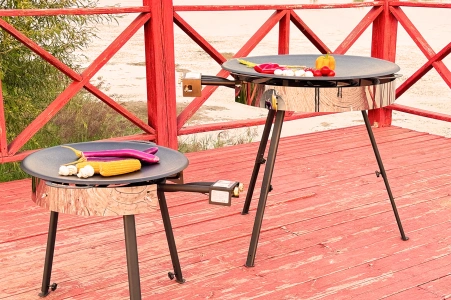
Camping Gas Stove
A camping gas stove is a portable cooking appliance designed for outdoor use.
Types of Camping Gas Stoves
When selecting a camping gas stove, understanding the different types available is crucial for making the right choice. The market offers several distinct categories, each with unique advantages and ideal use cases.
Integrated Canister Stoves
These popular camping gas stove models feature the burner permanently attached to the fuel canister. They’re characterized by:
Extremely lightweight design
Simple, quick setup
Compact storage profile
Ideal for solo travelers and backpackers
Limited stability for larger pots
Remote Canister Stoves
This camping gas stove design separates the burner from the fuel canister using a flexible hose. Benefits include:
Better stability for larger cookware
Improved performance in cold weather
Ability to use wind screens effectively
Slightly heavier than integrated models
Excellent for group camping and car camping
Liquid Fuel Stoves
While not strictly gas stoves, these versatile systems deserve mention for their:
Superior performance in extreme conditions
Ability to use various fuel types
Reliability in below-freezing temperatures
More complex operation and maintenance
Ideal for expedition-style camping
Why Choose a Camping Gas Stove?
There are many reasons to choose a camping gas stove instead of or in addition to other cooking methods:
1. Convenience and speed
Modern camping gas stoves ignite quickly and allow you to bring water to boil faster than many open-fire setups.
2. Heat control and versatility
Unlike an unpredictable campfire, the flame of a camping gas stove is adjustable and consistent. You can simmer, sear, or boil with precision.
3. Portability and ease of setup
Many units are compact, foldable, and designed for transport. This makes them ideal for trips, tailgates, family camping, and emergency use.
4. Clean-burning and less environmental impact
Gas stoves burn cleaner than many wood or charcoal alternatives, producing fewer particulates and less ash. They also often come with more efficient fuel use.
5. Safety and suitability for restricted areas
In some campsites, open fires may be restricted; a camping gas stove gives you a reliable cooking source while complying with rules.
Materials & Construction: What Matters in a Quality Camping Gas Stove
When evaluating a camping gas stove, you’ll want to inspect the materials, build quality, and features carefully.
1. Burner quality
The burner is where the flame occurs—it should be durable and consistent. Look for materials such as brass, stainless steel, or high-grade aluminium alloy that can withstand repeated heating cycles.
2. Stove body and frame
The frame should provide stable support for pots and pans, even on uneven ground. Materials like powder-coated steel, cast aluminium, or rugged composite frames are common. Stability is especially important in outdoor conditions.
3. Ignition and controls
Many modern stoves include piezo ignition systems (spark igniters) for ease of lighting. Knob controls should offer fine adjustment for flame height, and safety valves should be present.
4. Fuel compatibility and connection
Check the type of gas cartridge or tank required. Some are dedicated to butane/propane canisters, others to bulk tanks. Hose connections and regulators matter for safety and efficiency.
5. Wind protection and heat efficiency
Since outdoor cooking often happens in windy conditions, good stoves include windshields, flame-guards, and heat retaining surfaces to improve performance.
6. Portability features
Look for foldable legs, carry cases, lightweight construction, and compact dimensions if you plan to transport your stove frequently.
Camping Gas Stove Safety
Safety should always be your top priority when using any camping gas stove. Following basic safety protocols ensures enjoyable and accident-free outdoor cooking experiences.
Setup and Operation
Always:
Set up on stable, level surfaces away from flammable materials
Check connections for leaks using soapy water solution
Keep fuel canisters away from direct heat sources
Maintain clear area around the stove while operating
Have a fire extinguisher or water source nearby
Storage and Transport
Proper handling extends your camping gas stove lifespan and ensures safety:
Store fuel canisters separately from stoves
Protect from extreme temperatures during transport
Use protective cases to prevent damage
Regularly inspect for wear or damage
Replace worn components immediately
Maintenance and Care
Proper maintenance ensures your camping gas stove provides years of reliable service. Regular care is simple but crucial for optimal performance and safety.
Cleaning Procedures
After each use:
Allow stove to cool completely before handling
Wipe down surfaces with damp cloth
Clear burner ports with pin or needle
Check for food debris in hard-to-reach areas
Dry thoroughly before storage
Seasonal Maintenance
At least once per season:
Deep clean all components
Inspect hoses and connections for wear
Test ignition system functionality
Check for corrosion or damage
Replace any questionable parts
Investing in Quality: Why Brand and Supplier Matter
As the outdoor gear market expands, the difference between premium and budget camping gas stoves becomes clear. Sourcing from a trusted supplier ensures durability, performance and customer satisfaction.
When selecting your camping gas stove supplier or brand, consider:
Manufacturing quality: Strong materials, proven performance, user reviews.
Standards & certifications: Safety certifications, material compliance.
Support & parts availability: Replacement valves, connectors, carry cases.
Brand reputation: After-sales support and long-term durability.
Specialised designs: For camping, glamping, car-camping or commercial use.
When you source from companies like https://chinacastiron.com/, you’re selecting equipment built to last and support real outdoor cooking scenarios.
The Future of Camping Gas Stoves
The camping gas stove industry continues to evolve with new technologies and innovations. Understanding emerging trends helps you make informed purchasing decisions.
Technological Advances
Recent camping gas stove improvements include:
More efficient burner designs
Integrated temperature control systems
Lighter materials without sacrificing durability
Improved cold-weather performance
Smart features for fuel monitoring
Sustainability Initiatives
The camping gas stove industry is addressing environmental concerns through:
Recyclable fuel canister programs
More efficient combustion systems
Reduced packaging waste
Longer-lasting product lifespans
Take-back programs for old equipment
Conclusion
The camping gas stove is a cornerstone of outdoor cooking—offering convenience, control, and performance in a portable package. Whether you’re boiling water deep in the woods, searing steaks on the back porch, or running a rental camp kitchen, choosing the right stove makes all the difference.
For both consumers and businesses, investing in a reputable brand and supplier ensures you get a product built to last, backed by support, and suited for real‐world outdoor use. Take the time to match your stove to your needs, maintain it well, and you’ll enjoy many seasons of cooking great meals under the open sky.