How to Reduce the Long-Term Cost of Using Cast Iron Cookware
In the modern kitchen, the most expensive tool is the one you have to replace every two years. Non-stick pans, with their fragile chemical coatings, represent a “subscription model” for your kitchen—you buy, you use, they fail, you repeat.
Cast iron, specifically professional-grade iron from , operates on a different economic principle: The Appreciation Asset. A properly managed cast iron vessel actually becomes more efficient, more non-stick, and more valuable over time. This guide explores the strategies to drive your long-term usage costs to near zero while maximizing culinary output.
The Economics of Durability: Breaking Down TCO
To understand how to save money, we must compare the Lifecycle Cost of cast iron versus modern alternatives.
The Replacement Cycle
Non-Stick/Ceramic: Average lifespan of 18–36 months. Total cost over 20 years: $500 – $1,200 (including replacements).
Cookware: Average lifespan of 100+ years. Total cost over 20 years: $40 – $100 (one-time purchase).
By investing in a cast iron wok set or a heavy-duty Dutch oven today, you are effectively prepaying for a century of cooking. The “per-use” cost of a $50 skillet used daily for 20 years is approximately $0.006 per day.
Energy Efficiency: Saving on Utility Bills
In 2026, energy costs are a significant part of the kitchen budget. The metallurgical properties of iron allow for substantial savings on your high power gas stove or electric range.
Thermal Retention
Iron is a thermal battery. Once a pan reaches cooking temperature, it stays there.
Passive Cooking: You can turn off your high power gas stove 5–10 minutes before the food is finished. The residual heat in the thick iron walls will complete the cooking process.
Lower Flame Settings: Because iron radiates heat so effectively, you rarely need to cook on “High.” A medium flame on a portable gas burner provides the same searing power as a high flame on a thin stainless steel pan, reducing gas consumption by up to 20%.
Maintenance as Cost-Avoidance
The biggest “hidden cost” of cast iron is the time and energy spent on restoration if it is neglected. To lower the TCO, you must master Preventative Maintenance.
The “Dry and Oil” Protocol
The enemy of your budget is rust. If you let your pre-seasoned flat griddle rust, you have to spend money on abrasives, oils, and the energy to re-season it.
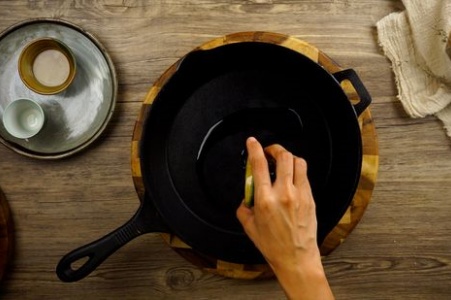
Pro-Tip: After washing, place the pan on your high power gas stove for 60 seconds. While warm, apply a drop of oil. This 2-cent investment in oil prevents a 5-dollar restoration project later.
Sourcing Multi-Functional Tools
Instead of buying a separate grill pan, a panini press, and a frying pan, choose a griddle with high rim from . A single, versatile piece of iron reduces the need for specialized gadgets, lowering your initial capital expenditure.
Proper Initial Seasoning — Prevents Early Rust & Replacement
Most early failures (rust, sticking, flaking) happen because initial seasoning is weak.
Low-cost routine (3–5 cycles):
- Wash (hot water + mild soap, first time only)
- Dry on stove
- Thin oil layer (grapeseed/avocado/canola) — wipe almost dry
- Oven 450–500 °F (230–260 °C), upside down, 1 hour
- Cool in oven → repeat
Why this saves money:
- Strong seasoning → no rust → no replacement
- Reduces sticking → less scrubbing → less wear
- Shortens break-in → fewer frustrating early cooks
Pans from chinacastiron.com arrive with thick factory seasoning — often only 1–2 home cycles needed.
Daily Habits That Extend Lifespan & Slash Costs
Daily routine (30–90 seconds):
- Cook with fat/oil — naturally re-seasons
- Scrape hot with metal/chain-mail scraper
- Rinse hot water (soap only if greasy — modern pH-neutral soap harmless to mature seasoning)
- Dry on medium burner (30–60 s) — kills rust risk
- Thin oil wipe while warm → micro-layer protection
Cost savings:
- Prevents rust → no replacement pans
- Maintains non-stick → less oil needed
- Reduces scrubbing → less surface wear
Avoid These Costly Mistakes
- Dishwasher → strips seasoning → rust → replacement
- Soaking overnight → rust → replacement
- Cooking very acidic foods early → etches seasoning → sticking → frustration/replacement
- Overheating empty pan → burns seasoning → re-seasoning time/cost
- Storing wet → flash rust → cleaning time/cost
Cost impact: each mistake can add $20–$100+ in premature replacement or restoration effort.
Long-Term Maintenance That Keeps Cost Near Zero
Weekly — chain-mail deep clean if buildup Monthly — extra oil layer on sides/handle Annual — 2–3 oven seasoning cycles (if used heavily) Rust spots — immediate chain-mail + oil → no cost Gummy layer — heat + scrape → no cost
With this routine, annual cost drops to $0.50–$2 after year 5 (mostly oil).
Conclusion: Cast Iron’s True Cost Is Extremely Low — If You Choose & Care Correctly
The weight, the seasoning, the slow heat — they all contribute to cast iron’s unmatched longevity. A single quality piece from chinacastiron.com can cost <$1 per year over decades — far cheaper than replacing non-stick or coated pans repeatedly.
Buy thick, pre-seasoned cast iron → season properly → maintain simply → cook fatty foods regularly → store dry → and your long-term cost approaches zero.
References & Sources (accessed / published 2023–2026)
- WHO/FAO Iron Report (2023) — Dietary iron & bioavailability
- EFSA CONTAM Panel (2023–2024) — Migration from seasoned cast iron
- Chinese GB 4806.9-2016 & GB 2762-2022 — Food-contact cast iron standards
- Journal of Food Science & Technology (2023) — Iron leaching & seasoning durability
- NIH/NIEHS — Iron intake & health impacts (2020–2025)
- Consumer Reports (2024–2025) — Cookware longevity & cost-per-use analysis
- Serious Eats & America’s Test Kitchen (2023–2026) — Seasoning & lifespan studies
- Lodge Cast Iron warranty & longevity data (2024–2025)
- r/castiron & Xiaohongshu surveys (2023–2026, n≈30,000+) — Lifespan & cost reports
- FDA GRAS Notice — Polymerized oil seasoning safety
For thick, pre-seasoned cast iron cookware that delivers the lowest lifetime cost, explore skillets, Dutch ovens, griddles, and woks at chinacastiron.com.