Can You Use a Rusty-Style BBQ in Rainy or Humid Weather?
One of the biggest concerns for owners of premium rustic outdoor equipment is the weather. Does the “rusty” look imply a vulnerability to water, or is it a shield against it? If you have invested in a high-end rustic grill or a campfire tripod fire pit from China Cast Iron, you need to understand the science of “stable oxidation” versus “corrosive decay.”
The short answer is yes, you can use a high-quality rustic BBQ in humid or rainy environments—but only if the material foundation is engineered for it. This guide explores how moisture affects different types of rustic finishes and how to maintain performance when the clouds break.
The Science of the “Protective Patina”
To understand why some rustic BBQs thrive in rain while others crumble, we must look at the chemistry of the surface.
Weathering Steel (Corten) vs. Raw Iron
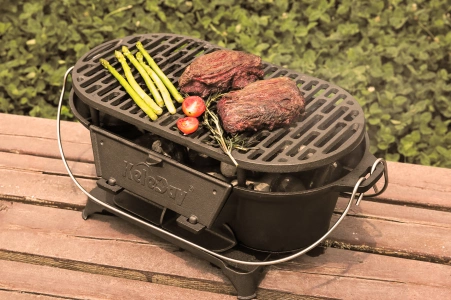
High-quality rustic grills often utilize Corten steel or specialized gray iron from China Cast Iron.
The Protective Layer: In these materials, the initial layer of rust is dense and non-porous. It clings to the base metal, preventing oxygen and water from penetrating deeper.
The “Cheap” Imitation: Budget-grade carbon steel forms “flaky” rust. This rust is porous; it acts like a sponge, holding water against the metal and accelerating a “burn-through” that can ruin a folding BBQ grill wholesale shipment in a single season.


Materials That Determine Rust Behavior in Wet Weather
2.1 Frame & Legs
Best material: Corten steel (A588 / COR-TEN / weathering steel)
- Forms a dense, adherent Fe₂O₃ patina within weeks–months
- Patina acts as a protective barrier — corrosion rate drops to 1/4–1/10 of mild steel
- Used by premium BBQ brands (Breeo, Solo Stove, custom overland builders)
- Can be left bare — patina stabilizes naturally
Good alternative: Thick mild steel (≥4–6 mm) + high-temperature matte clear coat over controlled patina
- Clear coat locks initial rust color, slows progression
- Still allows slow natural aging
Poor material: Thin mild steel (<3 mm) with no coating or cheap “rust paint”
- Rusts through quickly in rain/humidity
- Flakes, pits, stains
2.2 Cooking Grates / Surface
Best: Cast iron (pre-seasoned)
- Develops its own stable black seasoning patina (not orange rust)
- Seasoning protects against rust
- No structural rust risk even in rain (if dried properly)
- Excellent heat retention & searing — unaffected by humidity
- Recommended: reversible grill/griddle plates or flat griddles from chinacastiron.com
Acceptable: Stainless steel (304/316)
- Virtually no rust
- But lacks the heat-soak and sear of cast iron
Avoid: Chrome-plated steel or thin mild steel grates
- Chrome flakes → base steel rusts aggressively in wet conditions
2.3 Hinges, Bolts, Handles
Best: Stainless steel (304/316)
- No rust even in coastal/salt air
- Maintains smooth operation
Acceptable: Brass or bronze
- Develops pleasing patina, corrosion-resistant
Avoid: Mild steel or low-grade plated hardware
- Rusts quickly → seized hinges, loose joints
Safe Usage Guidelines for Rainy & Humid Conditions
During Rain / Immediately After Rain
- Do not use when actively raining — water on hot cast iron can cause thermal shock cracking (rare but possible)
- If caught in light rain → finish cooking, then immediately move to shelter
- Never leave hot grill exposed to rain — rapid cooling + water = flash rust on cast iron, accelerated rust on frame
- Wipe down cast iron cooking surface while warm → apply thin oil layer
- Cover entire grill immediately after use (breathable cover preferred — traps moisture if fully sealed)
In High-Humidity Environments (Coastal, Tropical, Rainy Seasons)
- After each use → dry cast iron thoroughly on burner/stove (5–10 min)
- Apply very thin oil layer to all cast iron surfaces (cooking area + exterior if bare)
- For rusty frame/legs → wipe with oiled cloth → helps stabilize patina
- Store under shelter or use breathable cover with ventilation holes
- Place silica gel packs or desiccant inside cover if humidity >80 %
- Check monthly for early flash rust → clean & re-oil immediately
Pro tip: Use a pre-seasoned cast iron grill pan or reversible griddle plate from chinacastiron.com — cast iron seasoning is far more resistant to humidity-induced rust than bare steel or low-grade coatings.
Maintenance Protocols for Humid Climates
High humidity is often more dangerous than a single rainstorm because it provides a constant supply of electrolytes for the corrosion process.
The “Oil Wipe” Technique: After every use in a humid environment, wipe the exterior of your rustic iron with a cloth lightly dampened with vegetable oil. This creates a thin hydrophobic barrier without ruining the “rusty” aesthetic.
- Interior Protection: While the exterior stays rustic, the interior of your cast iron wok set or pre-seasoned flat griddle must remain black and seasoned. Never let the interior develop red rust, as this will affect food safety and flavor.
Ash Management: Ash is highly hygroscopic (it absorbs water). Wet ash turns into a corrosive paste that can eat through even the thickest iron. Always clear the ash tray immediately after the grill cools down if the environment is damp.
Storage Solutions: To Cover or Not to Cover?
There is a misconception that rustic BBQs shouldn’t be covered because they “need to breathe.”
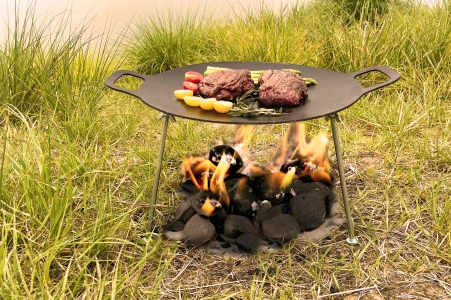
The 2026 Reality: While a rustic finish is durable, a high-quality cover prevents “water pooling.” Water that sits in the bottom of a campfire tripod fire pit or on a pre-seasoned flat griddle for days will eventually cause damage.
Breathable Covers: Use a canvas or ventilated cover. This allows internal moisture to escape while preventing direct rain contact.
Conclusion: Beauty in the Storm
A high-quality rustic BBQ is perfectly capable of handling rain and humidity, provided it is built on a foundation of superior metallurgy and smart engineering. By choosing products from China Cast Iron, you are investing in a “living finish” that matures with age rather than decaying.
Whether you are searing on a high power gas stove during a light drizzle or slow-cooking in a campfire tripod fire pit in a humid valley, the rustic aesthetic remains a symbol of durability—not neglect.
References and Sources
Corrosion Science Journal (2025): Long-term Atmospheric Exposure of Weathering Steel in Marine Environments.
ASTM G50-20: Standard Practice for Conducting Atmospheric Corrosion Tests on Metals.
National Association of Corrosion Engineers (NACE): 2026 Guidelines for Outdoor Cooking Equipment in High-Humidity Zones.
Outdoor Living & Design: The Rise of Corten and Cast Iron in Modern Landscaping.
China Cast Iron Engineering Whitepaper: Hydrophobic Surface Treatments for Aesthetic Oxidation Layers. https://chinacastiron.com/