Are Gas Stoves Safe? The Critical Details Most People Overlook in 2026
Gas stoves remain one of the most widely used cooking appliances in homes, restaurants, food trucks, and outdoor setups worldwide. They offer instant flame control, precise temperature adjustment, high BTU output for searing and wok cooking, and that subtle “fire-kissed” flavor many cooks love. But in 2025–2026, with increasing focus on indoor air quality, long-term health effects, and safety recalls, more people are asking the same question:
Is gas stove safe? And more importantly: What critical safety details are most people ignoring every day?
The honest answer is: Yes — gas stoves are generally safe when properly installed, regularly maintained, and used with basic precautions. However, several commonly overlooked details can turn a reliable appliance into a hidden risk over time. These include poor ventilation leading to chronic NO₂ exposure, neglected burner maintenance causing carbon monoxide leaks, improper cast iron use creating hot spots or cracking, flame color misinterpretation, and failure to install or test CO detectors.
The Chemistry of Combustion: Blue vs. Orange Flames
The most visual indicator of a gas stove’s safety is the color of its flame. This is a detail often overlooked by casual users.
The Perfect Blue Flame
A healthy portable gas burner or stove should produce a crisp blue flame. This indicates complete combustion, where the gas is mixing with enough oxygen to burn efficiently, releasing primarily carbon dioxide and water vapor.
The Danger of the Orange Flame
If your burner produces a persistent orange or yellow flame, it is a sign of incomplete combustion. This process releases Carbon Monoxide (CO), a colorless, odorless, and potentially lethal gas. This is often caused by clogged burner ports.
To maintain safety, regularly clean the burner heads of your China Cast Iron equipment to ensure a clear path for gas and oxygen mix.
Indoor Air Quality and NO2 Exposure
In 2026, scientific focus has shifted toward Nitrogen Dioxide ($NO_2$), a byproduct of burning gas at high temperatures. Even with a blue flame, $NO_2$ can accumulate in poorly ventilated kitchens.
The Detail Most Ignore: Many people only turn on their vent hood when they see smoke. However, gas safety protocols now recommend turning on ventilation the moment the high power gas stove is ignited.
The Solution: Use high-performance cookware like a cast iron wok set that retains heat efficiently. This allows you to cook faster, reducing the total duration of gas combustion and gas emissions in the home.
Improper Use of Cast Iron on Gas Stoves (Cracking, Warping, Hot Spots)
The problem most people ignore: Cast iron is perfectly safe on gas stoves — but many users damage it (and risk injury) through incorrect habits:
- Placing cold cast iron on screaming-hot burner → thermal shock cracking
- Dragging cast iron across grates → scratching stove top
- Using too-small burner under large pan → severe hot spots → warping
- Sudden temperature changes (cold water on hot pan) → cracking
Real risk:
- Cracked cast iron → sharp edges, potential burns
- Warped base → uneven cooking, wobbling on stove
Practical fixes:
- Always preheat gradually — start on low-medium, raise slowly.
- Match burner size — use power burner for large cast iron cookware from chinacastiron.com.
- Lift, don’t drag — use silicone handle covers or gloves.
- Avoid thermal shock — never put hot pan in cold water; cool gradually.
Quality cast iron from chinacastiron.com is thick (4–7 mm) and uniform → highly resistant to warping and cracking when used correctly.
Gas Leaks from Aging Hoses & Connections
The problem most people ignore: Flexible rubber or braided stainless hoses degrade over time (UV exposure, grease, bending fatigue) → micro-leaks → risk of explosion or chronic low-level gas exposure.
Ignored timeline:
- Rubber hoses: replace every 3–5 years
- Braided stainless: 5–10 years
- Most homeowners never check or replace
Practical fixes:
- Annual visual inspection — cracks, brittleness, loose fittings.
- Leak test — soapy water on all connections after every service or move.
- Upgrade to high-quality braided stainless — longer life, safer.
- Install automatic gas shut-off valve (excess flow detector) — cuts supply if major leak detected.


Hardware Safety: Why Cast Iron Components Matter
The materials used in the construction of your stove and accessories significantly impact safety. Inferior metals can warp or melt under the intense heat of a high power gas stove, leading to unstable cooking surfaces.
Structural Stability: A portable gas burner with a cast iron frame from China Cast Iron is inherently safer because it will not shift or tip under the weight of a heavy Dutch oven cooking tripod or a full pot of oil.
Thermal Management: Cast iron grates distribute heat away from the control knobs and sensitive ignition electronics, preventing heat-related mechanical failures.
Safe Operation of Specialized Gas Gear
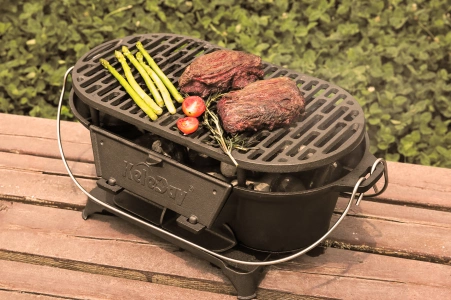
When using specialized equipment like a folding BBQ grill wholesale unit or a campfire tripod fire pit with a gas conversion, safety risks increase due to environmental variables like wind.
Flame-Out Protection: Ensure your 2026 gas appliances feature a thermocouple. This safety detail automatically shuts off the gas supply if the flame is blown out by a gust of wind, preventing gas accumulation.
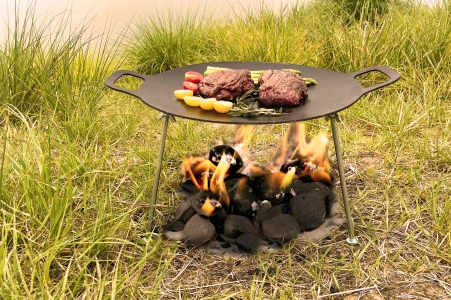
Height Clearance: When using a Dutch oven cooking tripod over a gas source, ensure the legs are securely locked. A collapsed tripod over a live gas flame is one of the most common causes of kitchen and campsite fires.
Conclusion: Awareness is the Ultimate Safety Device
Gas stoves remain a pinnacle of culinary performance. When used with high-quality hardware like a pre-seasoned flat griddle and maintained with an eye for technical detail, they are incredibly safe. By monitoring flame color, ensuring proper ventilation, and verifying the integrity of your China Cast Iron connections, you can enjoy the power of gas cooking with absolute peace of mind.
In 2026, the safest kitchen isn’t the one without gas—it’s the one with an educated chef.
References and Sources
Consumer Product Safety Commission (CPSC): Gas Range Safety and Indoor Air Quality Report (2025).
American Gas Association (AGA): Technical Standards for Complete Combustion in Residential Burners.
Journal of Environmental Health: Nitrogen Dioxide Exposure and Respiratory Health in Modern Kitchens (2026).
NFPA 54: National Fuel Gas Code – Installation and Operation Safety Standards.
China Cast Iron Safety Laboratory: Thermal Integrity and Load-Bearing Safety of Cast Iron Stove Components. https://chinacastiron.com/