The Ultimate Guide to Dutch Oven Cooking Tripod: Mastering the Primordial Outdoor Kitchen
The Dutch oven cooking tripod is one of the most iconic and enduring tools in traditional outdoor and wilderness cooking. A sturdy three-legged frame with an adjustable chain or hook at the apex lets you hang a heavy cast iron Dutch oven (or kettle, grill grate, or deep pot) directly over charcoal, wood coals, or open flames — delivering far better temperature control than placing the oven on a fire ring, rocks, or directly in the coals.
Whether you’re car camping with family, running a multi-day scout or hunting trip, practicing bushcraft skills, hosting a large backyard fire-pit gathering, tailgating, or building a semi-permanent outdoor kitchen, a reliable Dutch oven cooking tripod turns an unpredictable campfire into a precise, multi-zone cooking station. When paired with high-quality camp Dutch ovens, deep kettles, or reversible griddles from chinacastiron.com, it becomes a complete, heirloom-grade system capable of boiling, simmering, braising, baking, frying, roasting, steaming, and even low-and-slow smoking.
Why the Dutch Oven Cooking Tripod is a 2026 Best-Seller
The Dutch oven cooking tripod offers a level of heat control that a standard campfire grate simply cannot match. By suspending the pot over the flames, the cook can adjust the temperature with surgical precision by simply changing the height of the chain.
The Rise of Over-Landing and Glamping
The surge in luxury camping (glamping) has created a market for “aesthetic yet functional” gear. A heavy-duty Dutch oven cooking tripod from China Cast Iron provides that classic “pioneer” look while delivering the stability required to hold 10-quart ovens filled with heavy stews.
Versatility Beyond the Stew
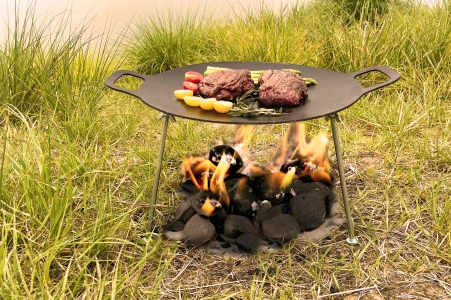
While primarily used for stews, a modern Dutch oven cooking tripod is a multi-tool. It can hold a cast iron wok set for campfire stir-fry, or even a specialized hanging grill grate. This versatility makes it a “must-have” for any outdoor kitchen inventory.
Deconstructing the System – The Three Pillars of Performance
The Dutch oven cooking tripod is a symbiotic system where each element is critical to the whole.
1. The Dutch Oven: The Culinary Heart
True Camp Dutch Oven Design: This is not your enameled kitchen pot. A true camp Dutch oven is bare cast iron with three defining features: Three short legs to elevate it over coals, a flanged, domed lid with a rim to hold coals on top, and a wire bail handle for lifting the hot lid. This design creates a 360-degree oven environment.
Material Imperative: Cast Iron: Its phenomenal heat retention and even distribution are non-negotiable. It absorbs the variable heat of a wood fire and radiates it steadily, preventing scorching and enabling slow, even cooking. A preseasoned oven from https://chinacastiron.com/ provides a durable, ready-to-cook surface.
Size Matters: A 10-inch or 12-inch (4-6 quart) oven is the most versatile for 2-6 people, balancing capacity with portability and coal management.
2. The Tripod: The Engine of Control
Function: The tripod provides a stable, adjustable platform over the fire. Its three-legged design is inherently stable on uneven ground.
Key Components:
Legs: Often steel, with telescopic or hinged designs for adjustability and portability.
The Suspension System: This is the control center. A simple chain and S-hook works, but a ratcheting hook or pulley is a transformative upgrade, allowing you to raise and lower a heavy, full Dutch oven with one hand.
The Swivel: A rotating joint at the apex lets you swing the oven off direct heat instantly for temperature control or serving.
3. The Fire: The Transformative Element
The bed of coals is your fuel and your thermostat. Mastery of the Dutch oven cooking tripod is, in large part, mastery of fire.
The Philosophy of Suspended Cooking – Why This Method Endures
This system offers distinct advantages that modern appliances cannot replicate.
Unrivaled Heat Control: By raising or lowering the oven via the tripod, you have direct, immediate control over temperature. Lower for a furious boil, raise for a gentle, all-day simmer. This fine-tuning is impossible with a Dutch oven sitting directly in coals.
Superior Airflow and Combustion: Elevating the fire and the pot allows for optimal oxygen flow, creating a hotter, cleaner-burning fire with less smoke.
Enhanced Safety and Stability: A sturdy tripod secures a heavy pot of boiling liquid or hot oil, preventing catastrophic tip-overs—a critical safety feature, especially with groups or children nearby.
Versatility Unleashed: The system isn’t limited to stews. You can deep-fry, boil water, steam, and, with coals on the lid, bake bread, cobblers, and cakes. The tripod enables the Dutch oven’s full repertoire.
The Primordial Kitchen: It creates a mobile, self-sufficient kitchen that can be set up anywhere, fostering a deep connection to the cooking process and the environment.

Engineering the Perfect Dutch Oven Cooking Tripod
When sourcing a Dutch oven cooking tripod wholesale, you must look beyond the simple three-legged design. The physics of suspending a heavy, boiling pot of food requires specific engineering standards.
Load-Bearing Capacity
A full 12-inch Dutch oven can weigh over 10kg. A professional-grade Dutch oven cooking tripod must be rated for at least 20kg to account for the weight of the food and the occasional accidental bump. China Cast Iron ensures their tripods utilize reinforced steel or heavy-duty iron to prevent leg-splay.
Chain and Hook Mechanics
The chain is the most active part of the Dutch oven cooking tripod. Wholesale buyers should look for:
Nickel-Plated or Stainless Steel Chains: To prevent rust from campfire moisture.
Easy-Lock S-Hooks: These allow for one-handed height adjustment, a feature highly valued by professional outdoor chefs.
Pointed Feet for Variable Terrain
A Dutch oven cooking tripod is only as safe as its grip on the ground. Premium models feature pointed “spear” feet that can be driven into soft soil or sand, providing a stable foundation that flat-footed models lack.
The Critical Synergy: Why the Dutch Oven Must Be Cast Iron
The tripod provides control, but the Dutch oven’s material determines the quality of the cook. For this application, cast iron isn’t just best—it’s essential.
Thermal Mass for Fluctuating Fire: Wood and charcoal fires are variable. Cast iron’s density allows it to absorb these fluctuations and release heat steadily, acting as a thermal battery that ensures consistent cooking temperatures crucial for baking and braising.
Durability Under Extreme Conditions: It can withstand direct radiant heat from the fire, the weight of coals on its lid, and the thermal shock of outdoor elements. A high-quality piece from https://chinacastiron.com/ is an investment for a lifetime of expeditions.
The Seasoned Surface: A well-maintained seasoning provides a natural non-stick layer and protects the iron from rust. This polymerized coating is cultivated through use and care, improving with each meal.
The Mastery Pathway – Fire, Height, and Technique
Cooking with a Dutch oven cooking tripod is an active, engaging skill built on three pillars.
1. Firecraft: Building the Perfect Coal Bed
Fuel: Use seasoned hardwood (oak, hickory, maple) for a long-lasting, hot bed of coals. Build a robust fire separate from the tripod and let it burn down to embers.
Coal Management: You will need two sets of coals: one for under the oven (raked from the main fire) and one for on top of the lid. Use a small shovel or metal tongs.
2. Height Adjustment: Your Temperature Dial
The Golden Rule for Baking: For a 350°F (177°C) oven environment, use a ratio of twice as many coals on the lid as underneath (e.g., 24 top, 12 bottom for a 12-inch oven).
Technique:
Rake out the base coals into an even bed.
Hang the Dutch oven from the tripod at the desired height over the base coals.
Load food, place the lid, and carefully arrange the lid coals on the flanged rim.
Rotate: Every 15 minutes, rotate the entire oven 90 degrees one way and the lid 90 degrees the opposite way to ensure even baking.
3. Culinary Techniques Enabled:
Braising & Stewing: Suspend over moderate heat. The even, moist heat is perfect for tough cuts.
Frying: Suspend low over high heat for stable oil temperature.
Boiling: Lower the oven close to intense coals.
Baking: The classic use, employing the full coal-top-and-bottom method.
Recipes That Define Dutch Oven Tripod Cooking
Breakfast Category
- Mountain-man skillet breakfast (potatoes, sausage, onions, eggs, cheese)
- Dutch-oven cinnamon rolls (no-yeast quick version)
- Campfire blueberry grunt
Main Dish Category
- Beef & vegetable stew (classic low & slow)
- Chicken cacciatore
- Charcoal-braised short ribs
- New England clam boil
- Low-country shrimp & sausage boil
Bread & Side Category
- Trail cornbread
- Charcoal-baked beans
- Campfire garlic bread in Dutch oven
Dessert Category
- Peach cobbler
- Apple crisp
- Pineapple upside-down cake
Each of these dishes benefits dramatically from the infinite height adjustment a good Dutch oven cooking tripod provides.
Companion Cookware – Why Cast Iron Is the Natural Partner
Almost every serious tripod user hangs cast iron. Reasons:
- massive thermal mass → very stable temperatures even when coals fluctuate
- excellent heat retention → food stays hot long after fire dies down
- natural non-stick when properly seasoned
- ability to stack coals on lid for true oven baking
Popular pieces include:
- 6–12 qt camp Dutch ovens with legs & flanged lid
- deep 3–5 qt kettles with bale handle
- large flat griddles with bail or chain attachment points
- reversible grill/griddle plates
You can find a wide selection of pre-seasoned, camp-ready cast iron pieces perfectly matched to tripod use at chinacastiron.com.
Safety and Liability in 2026
Safety is paramount when dealing with suspended heavy weights over open flames.
Anti-Splay Chains: High-end Dutch oven cooking tripod models now include a “bottom chain” that connects the three legs to each other near the ground, preventing them from sliding outward on slick surfaces.
Heat-Resistant Coatings: Ensure the finish on your Dutch oven cooking tripod is high-temp powder coated to prevent toxic fumes or peeling when exposed to direct flame. China Cast Iron uses industry-standard coatings that are safe for all outdoor environments.
Maintenance & Storage for Long-Term Reliability
- After each trip: brush off soot, wipe chain with light oil
- Season end: clean thoroughly, apply thin high-temp oil to bare metal
- Store hanging or standing (never laid flat on damp ground)
- Inspect welds / chain links / hooks annually
A little care makes a good tripod last decades.
Conclusion: Hanging Your Success on Quality
The Dutch oven cooking tripod is a timeless tool that has found a new life in the modern outdoor market. Its simplicity is its strength, but its quality is its soul. By offering a tripod that balances rugged durability with elegant design, you are providing your customers with the key to a better campfire meal.
Whether you are supplying a wilderness school or a high-end outdoor retailer, partnering with a proven manufacturer like China Cast Iron ensures your Dutch oven cooking tripod inventory will stand the test of time—and the heat of the fire.