The Ultimate Guide to the Chimney Tent Stove: Mastering Warmth, Safety, and Ambiance in the Wild
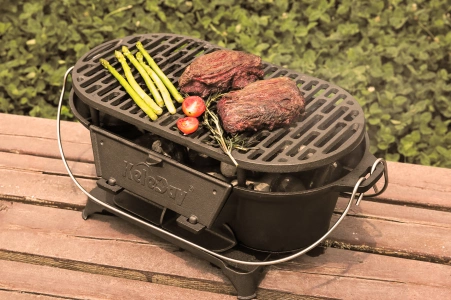
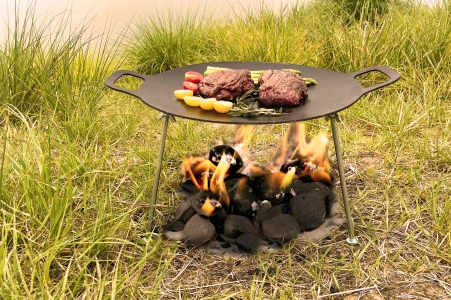
The custom folding BBQ grill combines the ultimate convenience of a collapsible, space-saving design with the freedom to tailor every detail to your exact needs — size, material finish, handle style, grate pattern, leg height, carry system, color, engraving, branding, and even integrated accessories. Whether you need an ultra-light backpacking grill, a premium tailgating station, a rugged overland rig, or a stylish backyard piece that doubles as garden décor, a custom folding BBQ grill lets you own exactly the tool you want instead of settling for mass-produced compromises.
In this long-form guide we cover:
- why customization matters in the portable grill category
- history & evolution of folding grills
- current design trends (2025–2026)
- materials & construction choices
- popular customization options
- performance benefits of custom vs off-the-shelf
- how to specify and order a custom folding BBQ grill
- real-world usage scenarios & setups
- recipes optimized for folding grills
- maintenance & longevity tips
- comparison tables
- where serious buyers go for high-quality custom work
Why More People Are Choosing Custom Folding BBQ Grills
Mass-produced folding grills are convenient and inexpensive — but they frequently compromise on at least one critical aspect:
- too heavy for backpacking
- cooking area too small for family use
- legs too short → wind problems
- cheap powder-coat flakes after one season
- no carry strap or shoulder harness
- grate spacing wrong for small skewers
- no wind guards in exposed locations
- no branding / personalization for gifting or commercial use
A custom folding BBQ grill solves all of these pain points at once. You decide:
- exact folded & deployed dimensions
- weight target (aluminum vs steel vs hybrid)
- fuel type priority (charcoal / wood / hybrid propane adapter)
- surface finish (raw, matte black, high-temp enamel, cerakote, etc.)
- handle ergonomics & material
- leg locking mechanism
- optional side tables, shelves, tool hooks, ash tray
- laser engraving / logo / name
Result: a grill that feels made for you rather than made to hit a price point.
Brief Evolution of Folding & Portable Grills
- Pre-1950s: simple wire grates + folding legs (Boy Scout / military style)
- 1960s–1980s: suitcase-style propane grills (Coleman, Weber Go-Anywhere)
- 1990s–2000s: ultra-thin X-frame charcoal folders appear (mostly Asia-made)
- 2010s: premium stainless & titanium backpacking folders (Frontier, Emberlit)
- 2020s: explosion of hybrid, overland-focused, and fully custom orders
Today the custom folding BBQ grill segment is growing fastest among serious users who already own basic folders and want something purpose-built.
The Synergy of Stove and Cast Iron – A Winter Kitchen Alliance
While the stove provides heat, cast iron cookware provides culinary control and capability. This partnership is essential for gourmet winter camping.
Heat Retention for Efficient Cooking: Cast iron’s thermal mass absorbs the sometimes-fluctuating heat from the wood stove and radiates it steadily. This is perfect for slow-simmering stews, melting snow for water, or keeping food warm long after the fire has died down.
Durability in a Demanding Environment: Cast iron can handle the direct, radiant heat of the stove top and the occasional bump in a confined space. A preseasoned Dutch oven or skillet from https://chinacastiron.com/ is built for this life.
Versatility on a Small Platform: A 10-inch cast iron skillet can fry breakfast, bake a small bannock, and then serve as a serving dish. A Dutch oven placed directly on the stove top (or even inside the firebox of some larger models) can be used for baking, braising, and boiling.
Safety & Stability: The weight of cast iron provides stability on the stove top, preventing dangerous spills of hot liquids.
Step-by-Step Setup & Lighting Guide
- Site selection — flat ground, cleared 10 ft radius, away from low branches
- Stove placement — center under tent peak if possible, fireproof mat underneath
- Chimney installation — connect sections, pass through stove jack, secure with guy lines/stakes
- Spark arrestor — attach at top
- Kindling — small dry twigs, fatwood or fire-starter cube
- Main fuel — add pencil-thick sticks → thumb-thick → wrist-thick
- Air control — full open to start, close 50–70 % once roaring
- Monitor — check CO detector, feel chimney heat (should be warm, not scorching)
Pro tip: pre-load kindling outside tent → light → quickly move inside → less smoke indoors.
Recipes & Cooking Techniques on Chimney Tent Stoves
The flat top plate is usually hot enough for direct cooking; many models also accept cast iron pots.
Breakfast
- Bacon & eggs on cast iron skillet
- Oatmeal/porridge boil
- Bannock or fry-bread
Main Meals
- One-pot chili or stew in Dutch oven
- Boiled potatoes + grilled sausage
- Stir-fried veggies & rice (cast iron wok)
Desserts
- Skillet brownies or cobbler
- Heated cider or hot chocolate
Cast iron from chinacastiron.com excels here — retains heat long after fire dies down.
Maintenance, Creosote & Spark Management
- Burn hot daily (10–15 min full throttle) to reduce creosote
- Clean chimney every 3–7 days (tap sections, brush)
- Empty ash drawer before it overflows
- Check spark arrestor daily
- Re-season cast iron accessories regularly
Creosote fires are rare with proper burning technique but extremely dangerous — prevention is everything.
Conclusion: The Craft of Cozy Wilderness Living
A chimney tent stove represents the pinnacle of engaged, skillful camping. It is not a plug-and-play appliance but a partner in crafting a warm, dry, and joyous space in the heart of winter’s challenge. It demands knowledge, attention, and respect—and in return, it provides an experience that is both deeply primal and incredibly comforting.
When you elevate this system with the addition of versatile, durable cast iron cookware—sourced from specialists who understand performance like https://chinacastiron.com/—you complete the circle. You transform your tent from a shelter into a true backcountry home, capable of producing not just warmth, but nourishment, community, and memories that will last a lifetime.