The Ultimate Guide to the Double-Sided Baking Pan: The Secret to Effortless, Perfectly Cooked Meals
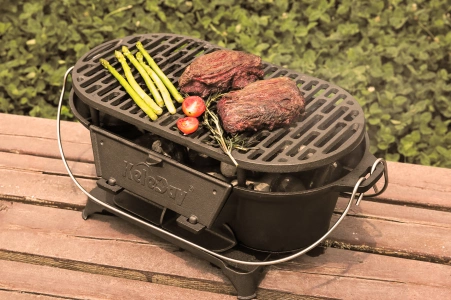
The double-sided baking pan — often called a reversible griddle, dual-surface skillet, or flip-over baking pan — is one of the most practical and space-efficient pieces of cookware you can own. One side is typically flat and smooth (ideal for pancakes, eggs, cookies, cinnamon rolls, cornbread, brownies, pizza), while the reverse side features raised grill ridges (perfect for steaks, burgers, vegetables, fish, panini, chicken, sausages and anything that benefits from distinctive char marks and fat drainage).
When made from high-quality cast iron, a double-sided baking pan combines legendary heat retention, natural non-stick seasoning over time, extreme durability, and the ability to move seamlessly from stovetop to oven to grill to campfire. In this comprehensive 6000-word guide we cover history, metallurgy, design details, cooking techniques on both sides, dozens of proven recipes, seasoning & care routines, size & shape comparisons, accessory pairings, storage solutions, and why serious home cooks and professional chefs increasingly choose models from chinacastiron.com for authentic performance and longevity.
Why “Double-Sided” Became So Popular
Single-purpose cookware wastes drawer and cabinet space. By the late 20th century manufacturers realized that many households wanted one pan to handle both delicate flat cooking (pancakes, crêpes, quesadillas) and traditional grilling/searing tasks. The reversible design solves this elegantly:
- Saves money — one pan instead of two
- Saves storage space — especially valuable in small apartments and RV kitchens
- Encourages experimentation — flat side for baking sheet tasks, ridged side for grill-pan results
Cast iron versions stand out because they:
- hold heat far longer than aluminum or stainless
- develop a continually improving non-stick surface
- can be used on every heat source (gas, electric, induction, halogen, oven, grill, campfire)
- last literally generations when cared for properly
Deconstructing the Design – What is a Double-Sided Baking Pan?
At its core, a double-sided baking pan is any bakeware designed to apply heat to food from both the top and bottom simultaneously or sequentially, often without needing to manually flip the food. This category includes several ingenious designs:
The Hinged Clamshell Grill/Pan: The most common type. Think of a panini press or a George Foreman grill, but built for oven and stove-top use. Two identical, ridged or flat panels are joined by a hinge. Food is placed on the bottom panel, the top is closed and locked, and the entire unit goes into the oven or on a burner. This design ensures even pressure and heat from both sides.
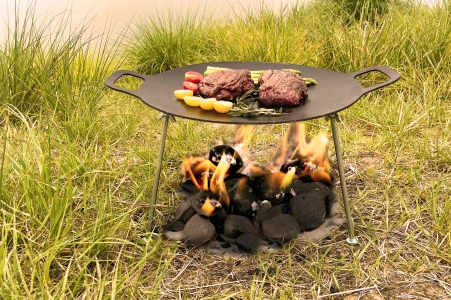
The Reversible Grill/Griddle: A single, thick plate of metal (often cast iron) that has a different cooking surface on each side—typically a flat griddle on one face and a ribbed grill on the other. While not hinged, its “double-sided” nature offers two distinct cooking modes in one tool.
Specialized Press Pans: Designed for specific foods like Belgian waffles, tortilla presses, or sandwich toasters. These are highly specialized forms of the double-sided concept.
For this guide, we will focus primarily on the versatile hinged clamshell pan, a tool that brings restaurant-quality technique into the home kitchen.
The Science of Simultaneous Heat – Why It Works So Well
The magic of the double-sided baking pan isn’t just convenience; it’s rooted in thermodynamics and food chemistry.
Dramatically Reduced Cooking Time: By applying direct conductive heat to both surfaces of the food at once, thermal energy penetrates from two directions, cutting cooking time by 30-50% compared to traditional single-sided methods.
Superior Moisture Retention: The sealed, pressurized environment created by the closed hinge dramatically reduces moisture loss. Juices and fats are trapped and often recirculated, leading to incredibly moist and flavorful results, especially in proteins.
Unrivaled, Even Cooking & Sear: Eliminates the need for flipping and the inevitable unevenness that can cause. It creates a perfect, consistent sear or grill mark on both sides simultaneously, maximizing the Maillard reaction (flavorful browning) across the entire surface area of the food.
Built-In Press Function: The gentle, even pressure applied helps ensure full surface contact, which is the secret to a perfect crust on smash burgers, paninis, and grilled vegetables. It also presses out excess fat, which can drain away if the design includes channels.

How to Season (and Re-Season) Both Sides Properly
Many modern double-sided baking pan models arrive pre-seasoned, but understanding the process helps you maintain and improve performance.
Basic oven seasoning method (both sides):
- Wash with hot water + mild brush (no soap first time)
- Dry completely on stovetop
- Apply very thin layer of high-smoke-point oil (grapeseed, avocado, flaxseed)
- Place upside down in 450–500 °F oven for 1 hour (foil underneath to catch drips)
- Cool in oven → repeat 3–5 times for strong base layer
Ridged side needs extra attention — oil should settle into grooves without pooling.
After each use:
- Scrape/scour while hot
- Rinse, dry immediately
- Apply very thin oil film while still warm
- Store with paper towel between surfaces (prevents condensation rust)
Culinary Mastery – Techniques and Recipes for Your Double-Sided Pan
This tool excels across a surprising range of dishes.
Essential Technique: The Pre-Heat
Never add food to a cold double-sided pan. Preheat it empty, with both halves closed, in your oven at the target temperature (usually 400°F-450°F) for at least 20-30 minutes. For a stovetop start, preheat on medium-high for 10 minutes.
Signature Dishes:
The Ultimate Panini & Pressed Sandwiches: This is its birthplace. Butter the outside of your assembled sandwich, place it in the preheated pan, close, lock, and cook. Result: crispy, golden, compressed perfection with melted, fused interiors.
Perfectly Seared, Juicy Steaks & Chops: Pat protein dry, season heavily. Place in the screaming-hot pan, close, and lock. Cook for a fraction of the usual time. The result is a stunning crust on both sides with a perfectly controlled interior.
Smash Burgers Redefined: Form a loose ball of high-fat beef. Place in the hot pan and immediately close and lock. The weight of the top plate does the smashing, creating an ideal, lacy-edged patty cooking in its own rendered fat.
Whole Grilled Vegetables: Asparagus, zucchini halves, bell pepper strips. Toss in oil, place in pan, close. The contact from both sides caramelizes vegetables quickly and evenly.
“Grilled” Fish Fillets & Boneless Chicken: The sealed environment is forgiving, cooking delicate fish and lean chicken breasts quickly and keeping them impossibly moist.
Cooking Techniques — Flat Side vs. Ridged Side
Flat Side – Baking Sheet / Griddle Mode
- Pancakes, drop cookies, cinnamon rolls, cornbread, brownies
- Eggs any style, bacon, hash browns, breakfast potatoes
- Quesadillas, grilled cheese, pan-fried dumplings
- Smash burgers (excellent crust)
- Crepes, dosa, injera
Ridged Side – Grill Pan Mode
- Steaks, pork chops, burgers, chicken thighs/breasts
- Vegetables (zucchini, eggplant, bell peppers, asparagus)
- Fish fillets & shrimp (nice char without sticking)
- Panini & pressed sandwiches
- Sausages, hot dogs, kebabs
Pro tip: Many cooks preheat both sides simultaneously on two burners → flip pan when one side needs different temperature.
Care, Maintenance & The Art of Seasoning
A cast iron double-sided baking pan requires the same respectful care as any prized cast iron, with a few nuances.
Cleaning: Never submerge the hinged unit. Allow it to cool slightly. Wipe out excess grease. Use a brush and hot water to clean each plate, avoiding the hinge area. Dry thoroughly and immediately with a towel and then by placing it in a warm oven for a few minutes.
Seasoning Maintenance: After drying, apply a very thin coat of neutral oil to the cooking surfaces. The preseasoning from the manufacturer is your base; you maintain it with this ritual.
Storage: Store with the hinge open or with a paper towel between the plates to ensure air circulation and prevent moisture buildup.
Conclusion: Beyond the Single Surface
The double-sided baking pan is a testament to the idea that better tools lead to better results with less effort. It replaces guesswork with geometry, and inconsistency with control. It is a tool that encourages experimentation and reliably delivers restaurant-worthy presentations and textures.
When crafted from the timeless, performance-driven material of cast iron, it becomes a kitchen heirloom—a tool that not only makes weeknight dinners faster and weekend feasts more impressive but also grows better with age and care.
To explore the possibility of adding this culinary powerhouse to your kitchen, investigate the world of specialized cast iron at https://chinacastiron.com/. Embrace the double-sided revolution, and discover how one simple, clever pan can fundamentally change the way you cook.