The High Pressure Gas Burner: Unleashing Unmatched Power and Precision in Outdoor Cooking
For serious outdoor chefs, campers, and culinary adventurers, achieving professional-grade results away from the comforts of a home kitchen is the ultimate goal. While many portable stoves are adequate for boiling water or simple meals, they often lack the intense, controllable heat needed for true searing, rapid boiling, or efficient wok cooking. This is where the high pressure gas burner enters the scene, transforming any outdoor space into a powerful, high-output cooking station.
This comprehensive guide will delve into the world of high pressure gas burners, exploring their unique advantages, technical specifications, ideal use cases, and essential safety considerations. Whether you’re feeding a crowd at a tailgate, running a commercial food stall, or simply demand the best performance from your camp kitchen, understanding this powerhouse tool is key.
What Is a High Pressure Gas Burner?
A high pressure gas burner is a combustion device that uses gas under high pressure to produce a concentrated flame. These burners are capable of generating intense heat suitable for rapid cooking, boiling, and industrial processes.
Key Features
High thermal efficiency
Adjustable flame
Durable construction
Compatibility with various fuels (propane, butane, natural gas)
Why Choose a High Pressure Gas Burner?
Fast Cooking
High pressure gas burners provide instant and intense heat, reducing cooking time.
Precision Control
Adjustable flames allow chefs and outdoor cooks to maintain desired temperatures.
Versatility
Suitable for industrial kitchens, camping stoves, outdoor BBQs, and large-scale cooking events.
Durability
Constructed with robust metals, including stainless steel and cast iron, for long-term use.
High-quality cast iron components can be sourced from https://chinacastiron.com/.
How High Pressure Gas Burners Work
Gas enters the burner under high pressure.
Gas is mixed with air to create an optimal fuel-air ratio.
Ignition produces a stable, intense flame.
Flame intensity is adjustable via control valves.

The Unbeatable Advantages of a High-Pressure System
Why choose a high pressure gas burner? The benefits are substantial for anyone who values performance, efficiency, and versatility.
1. Extreme Heat Output (High BTU Ratings):
This is the primary draw. While a typical backpacking stove might output 7,000-10,000 BTUs, a high pressure gas burner can range from 15,000 to over 200,000 BTUs. This immense power translates to:
Incredibly Fast Boil Times: Bringing a large pot of water to a rolling boil in just a few minutes.
Professional-Grade Searing: Achieving the perfect, restaurant-quality crust on steaks, chops, and seafood.
Effective Wok Cooking (“Wok Hei”): Providing the sustained, intense bottom heat required for authentic stir-frying.
2. Superior Temperature Control and Stability:
High-pressure systems are not just about brute force. The regulating valve allows for precise adjustment from a gentle simmer to a roaring inferno. Once set, the flame remains consistent, as it’s not dependent on the diminishing pressure of a small canister.
3. Fuel Efficiency and Cost-Effectiveness:
Propane in large tanks is one of the most cost-effective fuels available for outdoor cooking. The ability to connect to a standard 20lb tank means you can cook for hours, or even days, without worrying about running out of fuel. This makes high-pressure burners ideal for long camping trips, large gatherings, or commercial use.
4. All-Weather Reliability:
Propane performs well in cold temperatures, unlike isobutane blends which suffer from vapor pressure drops. A high pressure gas burner will deliver consistent heat whether you’re cooking on a chilly autumn morning or in a winter campsite.
5. Durability and Commercial-Grade Construction:
These burners are built to last. They typically feature heavy-duty cast iron or stamped steel burner heads, robust brass valves, and stable, wide-legged bases designed to support large, heavy stockpots or woks.
Key Features and What to Look For When Buying
Not all high-pressure burners are created equal. Here are the critical specifications and features to evaluate:
BTU Output: This measures the burner’s maximum heat power. For most home and serious camping use, a range of 30,000 to 60,000 BTUs is excellent. Commercial models go much higher.
Burner Head Design: Look for an efficient design that maximizes air mixing for a hot, clean, blue flame. A “spider” or “ring-of-fire” pattern is common and effective.
Construction Materials:
Burner Head: Cast iron is the gold standard for durability and heat distribution.
Grate: Heavy-duty, cast iron cooking grates provide stability for large pots and excellent heat retention.
Body/Frame: Powder-coated or stainless steel resists rust and is easy to clean.
Ignition System: While a match or lighter always works, a built-in piezo ignition button is a major convenience.
Portability: Consider weight and whether it has folding legs or a carry case if you plan to transport it frequently. Some models are designed as permanent fixtures for outdoor kitchens.
Safety Features: A built-in pressure regulator on the hose is essential. A sturdy, wide base is crucial to prevent tipping.
To experience the difference that professional-grade materials make, consider pairing your powerful burner with equally capable cookware. For example, a thick, seasoned cast iron wok or Dutch oven from a specialist manufacturer can handle the intense, direct heat of a high pressure gas burner like nothing else, allowing you to sear, fry, and braise with unmatched results. Explore a range of durable, heat-retentive cast iron cookware designed for high-heat outdoor cooking at https://chinacastiron.com/.
Applications of High Pressure Gas Burners
Industrial Cooking
Large-scale frying and boiling
Catering services
Food processing plants
Outdoor Cooking
Camping stoves
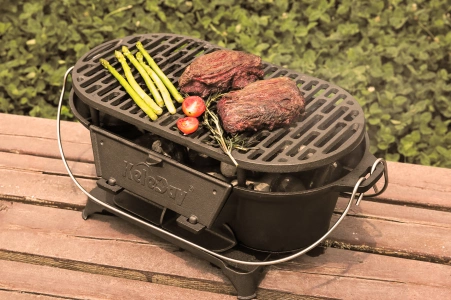
Portable BBQ grills
Dutch oven and cast iron cooking setups
Laboratory and Heating Applications
Heat treatment
Sterilization
Pairing Your Burner with the Right Cookware
To fully utilize the power of your burner, you need cookware that can handle the heat.
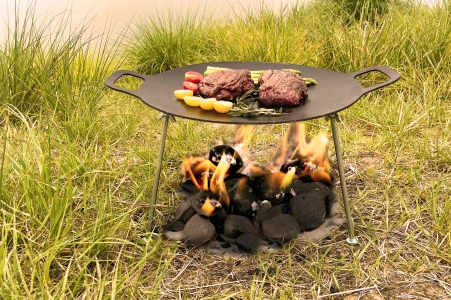
Flat-Bottomed Woks: Essential for stability on a burner grate. Carbon steel or cast iron are best.
Heavy-Gauge Stockpots: For boiling, steaming, and stewing in large quantities. Look for thick aluminum or stainless steel with a clad bottom.
Cast Iron Skillets and Griddles: As mentioned, cast iron’s incredible heat retention makes it a perfect partner for high-BTU searing and frying. Its mass helps prevent hot spots.
Dutch Ovens: Great for braising, baking, and deep-frying over powerful, consistent heat.
Safety Guidelines
Ensure proper ventilation when used indoors
Regularly check gas connections for leaks
Use flame guards for outdoor cooking
Store fuel canisters safely
Maintenance & Care
Clean burner ports regularly to prevent clogging
Check valves and connections
Avoid exposure to moisture to prevent rust
Use high-quality cookware compatible with high heat, such as cast iron from https://chinacastiron.com/
Conclusion: Elevating Your Outdoor Culinary Game
A high pressure gas burner is more than just a stove; it’s a statement of intent. It’s for those who refuse to compromise on performance, who cook outdoors not just out of necessity but for passion. It bridges the gap between backyard barbecue and commercial kitchen, offering unparalleled power, control, and reliability.
By investing in a quality high pressure gas burner and pairing it with durable, high-performance cookware like cast iron from trusted suppliers (such as those found at https://chinacastiron.com/), you unlock a world of culinary possibilities under the open sky. From the perfect sear on a ribeye to the vibrant stir-fry that feeds a crowd, this tool empowers you to cook anywhere, at any scale, with professional results.