The Ultimate Guide to Survival Cooking Tripods: Mastering Outdoor Food Preparation in Any Situation
In the realm of survival and outdoor preparedness, the survival cooking tripod stands as a crucial piece of equipment that bridges ancient wisdom with modern needs. This versatile tool represents more than just a cooking method—it’s a fundamental survival asset that can mean the difference between nourishment and hunger in emergency situations. Unlike recreational camping gear, a true survival cooking tripod is engineered for reliability, adaptability, and performance under the most challenging conditions. Whether facing natural disasters, wilderness emergencies, or simply preparing for uncertain times, understanding how to select and use a survival cooking tripod is an essential skill for any serious prepper or outdoor enthusiast.
What is a Survival Cooking Tripod?
1.1 Definition of a Survival Cooking Tripod
The Purpose of a Tripod in Outdoor Cooking
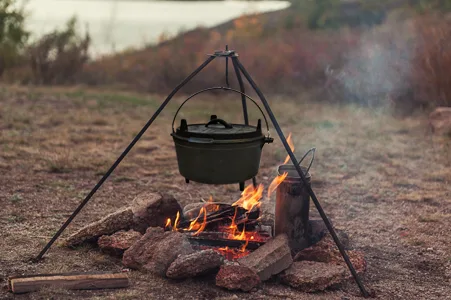
A tripod is a three-legged stand designed to suspend cooking pots over an open flame, allowing for consistent heat distribution.
Historical Use of Cooking Tripods
Discuss the long history of cooking tripods, dating back to ancient civilizations where they were used over campfires to cook food in the wild.
How It Differs from Other Cooking Stands
Unlike simple cooking stands or grills, a survival cooking tripod offers versatility, portability, and can be adjusted to control the height of the cooking pot relative to the fire.
1.2 Components of a Survival Cooking Tripod
The Legs
The tripod’s legs provide stability and support. Materials can vary, with stainless steel, cast iron, or aluminum being common choices. Each material offers unique advantages in terms of durability, weight, and heat tolerance.
The Hanging Mechanism
Most tripods include a chain or hook system to hang cooking pots over the fire. The length of the chain can be adjusted to control cooking temperature.
Base and Stability
Discuss the tripod’s base and why stability is crucial. A well-built tripod will keep your cooking equipment stable even in windy conditions.
Understanding Survival Cooking Tripod Fundamentals
1.1 Defining the Survival Cooking Tripod
A genuine survival cooking tripod differs significantly from recreational models through its emphasis on durability and multifunctionality:
Critical Design Characteristics:
Military-grade materials and construction
All-weather performance capability
Multi-fuel compatibility
Rapid deployment mechanisms
Extreme condition tolerance
Minimal maintenance requirements
Survival-Specific Features:
Emergency signaling capability
Water purification support
Multi-purpose tool integration
Compact packing dimensions
Weight-optimized design
1.2 Historical Context and Modern Evolution
The development of survival cooking tripod technology reflects centuries of outdoor experience:
Traditional Roots:
Indigenous cooking methods
Military field expedients
Explorer and pioneer techniques
Traditional wilderness skills
Cultural cooking heritage
Modern Innovations:
Advanced material science
Integrated survival features
Modular component systems
Weight reduction technology
Enhanced safety systems
Benefits of Using a Survival Cooking Tripod
1. Even Cooking and Heat Distribution
How a Tripod Improves Cooking Efficiency
A tripod ensures that your cooking pot is suspended evenly over the fire, which helps distribute heat more uniformly. This is particularly important for dishes that need consistent heat, such as stews or soups.
Control Over Cooking Temperature
The ability to adjust the height of the pot above the fire gives you precise control over the temperature. This is key for cooking delicate foods or simmering over a long period.
2. Portability and Compactness
Why Portability Matters in Survival Situations
Survival cooking tripods are lightweight and can be easily packed away in a survival kit or camping gear. The compactness makes them easy to transport on long treks, hikes, or camping trips.
Setting Up the Tripod in Minutes
Most tripods are simple to set up and require no special tools or skills. This ease of use makes them ideal for emergencies or when you need to cook quickly and efficiently in the wild.
3. Durability and Strength
Built to Withstand Harsh Conditions
Survival tripods are designed to withstand extreme heat and rough outdoor conditions. Whether you’re cooking over a raging campfire or in a snowstorm, a well-made tripod will endure the test of time.
Materials Used in Survival Cooking Tripods
Stainless steel, cast iron, and galvanized steel are common materials used in survival tripods. Discuss the benefits of each, including heat resistance, rust resistance, and overall sturdiness.
4. Versatility in Cooking Styles
Cooking More Than Just Stews and Soups
Beyond boiling water or making stews, a survival cooking tripod can be used for grilling, roasting, and even baking. It can hold various types of cookware, such as Dutch ovens, grills, or cast iron skillets.
Multifunctionality for Various Cooking Needs
Discuss how the tripod’s design allows for versatile cooking styles, whether you’re roasting meat over an open flame or making a slow-cooked meal in a Dutch oven.
How to Use a Survival Cooking Tripod
1. Setting Up the Tripod
Step-by-Step Guide to Setting Up the Tripod
Explain how to set up the tripod in an outdoor environment, including finding the right location, positioning the tripod, and hanging the pot or cooking gear.
Discuss safety considerations such as wind conditions, fire safety, and keeping the cooking area clear of flammable materials.
2. Adjusting the Height for Different Cooking Techniques
Controlling the Fire’s Heat by Adjusting the Height of the Pot
Provide tips on how to adjust the tripod’s height based on what you are cooking—low and slow for stews, or higher for quick searing or frying.
3. Using a Tripod with Different Cookware
Choosing the Right Pot or Pan for the Tripod
Discuss which cookware works best with survival tripods, such as cast iron Dutch ovens, camping pots, and cast iron skillets. Mention https://chinacastiron.com/ as a source for high-quality cast iron cookware designed for survival cooking.
Choosing the Best Survival Cooking Tripod
1. Material Considerations
Cast Iron vs. Stainless Steel vs. Aluminum
Compare the pros and cons of different materials for survival tripods. Cast iron offers durability and heat retention, while stainless steel provides corrosion resistance. Aluminum is lightweight but may not be as durable in extreme conditions.
2. Size and Weight
Selecting the Right Size for Your Needs
Help readers choose the right size tripod based on their cooking needs. A small, lightweight tripod might be ideal for solo campers, while larger models are better for group cooking.
3. Stability and Durability Features
Check for Stability Features
Discuss important features to look for when purchasing a survival cooking tripod, such as adjustable legs, strong hooks, and weather-resistant materials.
4. Recommended Survival Cooking Tripods
Best Survival Cooking Tripods Available
Recommend several high-quality survival cooking tripods, mentioning https://chinacastiron.com/ for more options and details on tripods made from durable materials.
Survival Applications and Techniques
1. Life-Sustaining Functions
The survival cooking tripod serves critical needs:
Water Purification:
Boiling efficiency
Fuel management
Large volume processing
Continuous operation
Container compatibility
2. Emergency Signaling
Utilizing your survival cooking tripod for rescue:
Visual Signaling:
Smoke production
Light emission
Signal patterns
Night visibility
Aircraft signaling
Maintenance and Durability
1. Long-Term Preservation
Ensuring survival cooking tripod readiness:
Storage Protocols:
Climate control
Regular inspection
Component lubrication
Corrosion prevention
Function testing
Survival Cooking Tripods vs. Other Outdoor Cooking Methods
1. Comparing Tripods to Portable Stoves
Why a Tripod May Be More Suitable for Survival Situations
Compare the versatility, ease of use, and portability of a tripod versus portable stoves or other cooking equipment.
2. Tripods vs. Campfire Cooking Gear
Advantages of Using a Tripod Over Traditional Campfire Cooking
Explain the benefits of a tripod in terms of stability, ease of use, and heat control compared to cooking directly over a campfire.
Conclusion: The Foundation of Survival Cooking
A properly selected and mastered survival cooking tripod represents one of the most critical investments in emergency preparedness. Beyond basic cooking functions, it serves as a versatile tool for water purification, emergency signaling, and psychological comfort in crisis situations. The technology has evolved from basic tripods to sophisticated survival systems incorporating lessons from military, expedition, and emergency response applications.
The team at https://chinacastiron.com/ understands that survival equipment must balance immediate functionality with long-term reliability. Their selection ensures your survival cooking tripod integrates seamlessly with other essential gear, creating a comprehensive survival system.
Investing in a quality survival cooking tripod and developing proficiency provides peace of mind and practical capability for emergencies. Visit https://chinacastiron.com/ to explore survival-rated equipment and begin building your preparedness foundation. Remember that in survival situations, equipment quality directly impacts comfort, health, and potentially survival. Choose wisely, practice regularly, and prepare thoroughly.