The Ultimate Guide to Survival Fire Pits: Mastering Emergency Preparedness and Outdoor Survival Skills
In an increasingly uncertain world, the survival fire pit has emerged as an essential tool for emergency preparedness and outdoor survival. Unlike recreational fire pits, these specialized devices are engineered for reliability, efficiency, and versatility in challenging conditions. Whether facing natural disasters, wilderness emergencies, or simply preparing for unexpected scenarios, understanding how to select and use a survival fire pit can mean the difference between comfort and crisis. This comprehensive guide explores the technical specifications, practical applications, and survival strategies that make survival fire pit technology an indispensable component of any serious preparedness plan.
What Is a Survival fire pit?
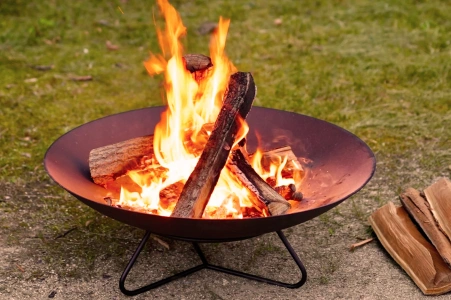
A Survival fire pit is a portable, durable, high-efficiency fire containment system designed specifically for wilderness survival, off-grid living, camping, and emergency use. It is optimized for:
Safe fire containment
Efficient heat output
Controlled airflow
Stable cooking performance
Use in various environments
Quick setup
Fuel flexibility
Compact storage
Compared to traditional fire pits, the Survival fire pit is engineered with field reliability in mind. Every design decision—from the thickness of the steel to the ventilation system—serves survival functionality rather than aesthetics.
A decorative fire pit only needs to produce a flame.
A survival fire pit must keep you alive.
Understanding Survival Fire Pit Fundamentals
1.1 Defining the Survival Fire Pit
A true survival fire pit differs significantly from recreational models through its emphasis on reliability and multifunctionality:
Critical Design Characteristics:
All-weather ignition capability
Multi-fuel compatibility
Minimalist weight and packing size
Rapid deployment mechanisms
Extreme temperature tolerance
Performance Requirements:
Operation in rain, snow, and high winds
Efficient fuel consumption
Low visibility smoke production
Minimal maintenance requirements
Long-term durability
1.2 Historical Evolution and Modern Innovations
The development of survival fire pit technology reflects centuries of outdoor experience combined with modern engineering:
Traditional Survival Methods:
Indigenous pit fire techniques
Military field stove designs
Expedition cooking systems
Emergency response equipment
Wilderness survival traditions
Contemporary Advancements:
Lightweight composite materials
Integrated water purification capability
Solar-assisted ignition systems
Modular component designs
Emergency signaling features
Why Fire Is Essential in Survival—and Why a Survival fire pit Helps
Fire is one of the four critical pillars of outdoor survival:
Warmth
Water purification
Cooking food
Emergency signaling
A Survival fire pit allows you to achieve all four consistently, even in challenging conditions.
2.1 Heat and Hypothermia Prevention
Hypothermia can occur even at moderate temperatures, especially when wet or exhausted. A Survival fire pit provides controlled heat that can:
Warm the body
Dry clothing
Improve circulation
Maintain core temperature overnight
Wind-resistant models ensure the flame stays stable even in harsh weather.
2.2 Food Cooking and Meal Preparation
Food cooked on a Survival fire pit tastes richer because of natural flame exposure—but most importantly, it provides consistent heat for:
Grilling
Boiling
Frying
Dutch oven cooking
Pan-frying
Slow simmering soups and stews
This makes it an essential item for outdoor cooking setups.
2.3 Water Purification
Boiling water is the safest method to kill bacteria, parasites, and viruses.
A Survival fire pit can sustain high heat long enough to purify large quantities of water—even in remote wilderness where water quality is questionable.
2.4 Emergency Signaling
A large flame or smoke tower created by a Survival fire pit can:
Alert rescue teams
Create strong visible signals
Burn continuously as a beacon
In areas with no cell service, fire becomes your communication tool.
Survival Fire Pit Setup and Operation
4.1 Emergency Site Selection
Strategic survival fire pit placement can significantly impact survival outcomes:
Safety Considerations:
Natural wind protection utilization
Overhead hazard assessment
Ground fire prevention
Emergency escape routes
Visibility management
Functional Positioning:
Water source proximity
Shelter relationship
Resource accessibility
Signal positioning
Thermal advantage maximization
4.2 Advanced Fire Management
Mastering survival fire pit operation under adverse conditions:
Fuel Sourcing Strategies:
Natural material identification
Emergency fuel alternatives
Fuel conservation techniques
Moisture content management
Combustion optimization
Environmental Adaptation:
Rain and snow operation
High wind performance
Extreme cold functionality
Limited oxygen environments
Wet condition ignition
Survival Applications and Techniques
1. Life-Sustaining Functions
The survival fire pit serves multiple critical survival needs:
Water Purification:
Boiling efficiency optimization
Fuel consumption management
Large volume processing
Continuous operation methods
Container compatibility
Food Preparation:
Emergency ration cooking
Wild food preparation
Preservation techniques
Multi-pot coordination
Sanitation maintenance
2. Signaling and Rescue
Utilizing your survival fire pit for emergency communication:
Visual Signaling:
Smoke production control
Light emission maximization
Signal pattern creation
Night visibility enhancement
Aircraft visibility optimization
Maintenance and Durability
1. Long-Term Preservation
Ensuring your survival fire pit remains ready for emergencies:
Storage Protocols:
Climate-controlled environments
Regular inspection schedules
Component lubrication
Corrosion prevention
Function testing procedures
Field Maintenance:
Cleaning without water
Component replacement
Damage repair techniques
Performance verification
Preventive maintenance
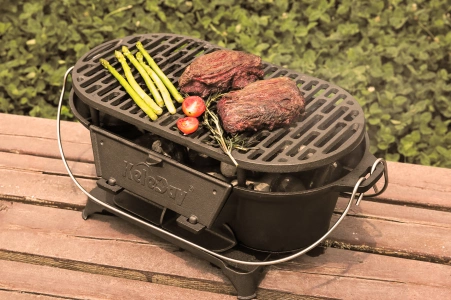
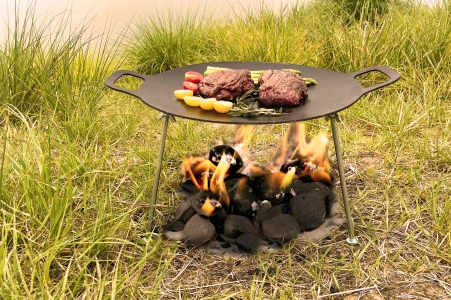
What Can You Cook on a Survival fire pit?
A survival fire pit is not just for warmth—it’s a full outdoor kitchen.
Foods that cook extremely well:
Meat (steak, chicken, ribs, pork)
Fish
Vegetables
Baked potatoes
Rice and pasta
Bread, flatbread, bannock
Soups
Eggs
With cast iron cookware (Dutch oven, skillet), the possibilities expand even more.
How to Choose the Best Survival fire pit
When selecting a survival fire pit, consider:
Weight
Material
Heat retention
Portability
Cooking support
Durability
Wind resistance
Airflow
Safety features
Maintenance needs
A high-quality fire pit pays for itself in reliability and longevity.
How to Build a Fire Using a Survival fire pit
Step 1: Gather tinder
Dry grass, bark, lint, paper shavings.
Step 2: Add kindling
Thin sticks, pencil-sized wood.
Step 3: Add fuel wood
Thicker logs, branches.
Step 4: Ignite
Matches, ferro rod, lighter.
Step 5: Maintain airflow
Ensure vents remain open.
Safety Tips for Using a Survival fire pit
Never leave fire unattended
Keep water or dirt nearby
Use on stable ground
Avoid overloading with wood
Keep children away
Extinguish completely before leaving
Why Buy Your Survival fire pit from a Trusted Supplier?
Outdoor equipment must be reliable.
A poor-quality fire pit can:
Warp
Rust
Collapse
Lose heat
Fail when you need it most
This is why sourcing from experienced manufacturers matters.
Suppliers like Survival fire pit manufacturers specialize in:
Cast iron outdoor cookware
Fire pits
Camping cookware
Tripods
Griddles
Heavy-duty outdoor equipment
Their products are built for real-world outdoor use, not just decoration.
Conclusion: The Foundation of Survival Preparedness
A properly selected and mastered survival fire pit represents one of the most critical investments in personal and family safety. Beyond its obvious functions of warmth and cooking, it serves as a versatile tool for water purification, emergency signaling, and psychological comfort in crisis situations. The technology has evolved significantly from basic fire pits to sophisticated survival systems that incorporate lessons from military, expedition, and emergency response applications.
The team at https://chinacastiron.com/ understands that survival equipment must balance immediate functionality with long-term reliability. Their selection of complementary products ensures that your survival fire pit integrates seamlessly with other essential gear, creating a comprehensive survival system rather than just isolated components.