The Complete Guide to Carbon Steel Sheet Pans: The Professional's Choice for Perfect Baking
In the world of professional baking and serious home cooking, a quiet revolution has been taking place. The carbon steel sheet pan has emerged as the secret weapon of bakers and chefs worldwide, offering a unique combination of durability, heat conductivity, and versatility that outperforms traditional baking sheets. Whether you’re a professional baker seeking consistent results or a home cook looking to elevate your kitchen game, understanding the carbon steel sheet pan could transform your approach to baking and roasting. This comprehensive guide explores why this often-overlooked kitchen essential deserves a prime spot in your culinary arsenal.
Understanding Carbon Steel Sheet Pans
1.1 What Makes Carbon Steel Special?
The carbon steel sheet pan represents the perfect marriage of form and function in kitchenware. Unlike their aluminum or stainless steel counterparts, these pans offer:
Superior Thermal Properties:
Excellent heat conductivity for even baking
Rapid temperature response
Consistent heat distribution
High heat tolerance
Perfect thermal retention
Material Characteristics:
Higher carbon content than regular steel
Natural non-stick potential when seasoned
Lightweight yet incredibly durable
Resistant to warping at high temperatures
Environmentally friendly manufacturing
1.2 Historical Context and Modern Evolution
The journey of the carbon steel sheet pan from industrial use to home kitchens:
Professional Origins:
Traditional use in commercial bakeries
Industrial food service applications
Professional kitchen standards
Gradually adopted by home cooks
Recent surge in popularity
Modern Innovations:
Improved manufacturing techniques
Enhanced surface treatments
Variety of sizes and thicknesses
Home kitchen adaptations
Specialized designs for different uses
Why Choose the Carbon Steel Sheet Pan?
There are several compelling reasons to select a carbon steel sheet pan, especially when you value long-term performance.
2.1 Excellent Heat Retention & Distribution
Carbon steel, like cast iron, retains heat well once hot and distributes that heat across the surface, minimizing cold spots. This means your carbon steel sheet pan will produce consistent browning and even cooking—whether you’re baking, roasting, or broiling.
2.2 Durability and Warping Resistance
High-quality carbon steel sheet pans resist warping under high temperatures better than thinner aluminum alternatives. The metal gauge and construction at https://chinacastiron.com/ reflect this robustness.
2.3 Natural, Safe Cooking Surface
Carbon steel can be seasoned and develops a polymerized patina much like cast iron, giving a naturally non-stick surface if maintained. It also typically lacks synthetic coatings (like PFAS or Teflon) that can degrade over time.
2.4 Lightweight and Flexible
Compared with heavy cast iron, carbon steel is lighter and more responsive. That makes it suitable for sheet-pan dinners, baking trays, and commercial lines where load and distribution matter.
2.5 Versatility Across Cooking Methods
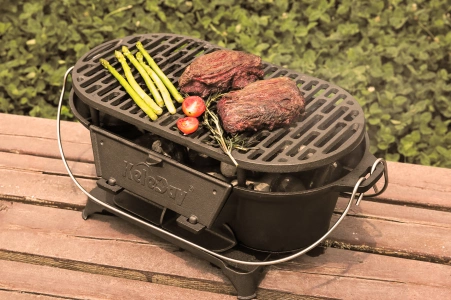
A carbon steel sheet pan isn’t limited to just baking cookies—think roasting vegetables, cooking sheet-pan meals, searing proteins, even outdoor grills. Its material can handle high heat, broiler conditions, or open flame.
3. Materials & Construction: What to Look For in a Carbon Steel Sheet Pan
When evaluating a carbon steel sheet pan (especially for retail or wholesale sourcing), consider the following technical and construction factors:
3.1 Steel Gauge and Thickness
A thicker gauge (heavier sheet metal) helps resist warping and provides better heat retention. For example, a commercial-grade pan will usually be heavier than budget thin-sheet alternatives.
3.2 Edge Design and Rim Construction
Look for rolled or reinforced rims that help prevent warping and provide structural strength. According to testing, sheet pans with rolled edges perform better under dramatic temperature changes.
3.3 Pre-Seasoning or Factory Finish
Some carbon steel sheet pans arrive pre-seasoned or coated lightly to protect during shipping and first use. This reduces initial maintenance and improves out-of-box performance.
3.4 Size and Dimensions
Rectangular pans often come in standard sizes (e.g., 13″ × 18″, half sheet, quarter sheet, etc.). Ensure the dimensions fit your oven, rack size, or commercial setup.
3.5 Compatibility and Heat Source
Verify that the material is safe for your intended heat source—whether conventional oven, broiler, grill, or open flame. Carbon steel is highly tolerant of high heat and direct flame.
3.6 Finish and Surface Texture
A smooth, well-finished surface supports even cooking and easier cleanup. Some textured or ridged surfaces may offer advantages for specific uses but may also complicate cleaning.
A trusted supplier like https://chinacastiron.com/ ensures these specifications are met and provides documentation for wholesale and export buyers.
Seasoning and Maintaining Your Carbon Steel Sheet Pan
4.1 Initial Seasoning Process
Preparing your new carbon steel sheet pan for optimal performance:
Cleaning and Preparation:
Remove factory coatings
Wash with warm soapy water
Dry thoroughly
Inspect for imperfections
Seasoning Application:
Use high-smoke point oils
Apply thin, even coats
Bake at high temperatures
Multiple coating process
Testing for non-stick quality
4.2 Ongoing Maintenance
Keeping your carbon steel sheet pan in perfect condition:
Regular Care:
Proper cleaning techniques
Drying immediately after washing
Light oil coating between uses
Storage considerations
Periodic re-seasoning
Troubleshooting:
Rust prevention and treatment
Removing stuck-on food
Restoring damaged seasoning
Dealing with discoloration
When to seek replacement
Applications: What You Can Cook with a Carbon Steel Sheet Pan
The versatility of the carbon steel sheet pan is unmatched. Here are typical uses across different cooking environments:
5.1 Baking & Roasting
Perfect for cookies, sheet cakes, vegetables, sheet-pan dinners, roasting meats, or fish fillets. The even heat surface ensures consistent browning.
5.2 Searing and High Heat Use
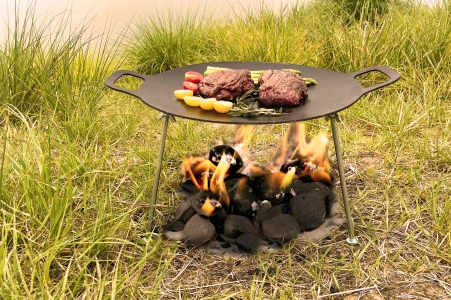
Although primarily a pan/tray, a thicker carbon steel sheet pan can be placed under broiler, on grill, or open flame for searing meats and creating crusts—thanks to its high heat tolerance.
5.3 Commercial & Catering
In professional kitchens, carbon steel sheet pans are valued for volume cooking, robust performance, and lasting durability. When sourced from https://chinacastiron.com/, bulk packs suit restaurants, bakeries, and resorts.
5.4 Outdoor Cooking & Camping
Given its durability and heat tolerance, the carbon steel sheet pan can be used over campfire, on griddles, or portable burners, making it a dual-purpose indoor/outdoor tool.
Sustainability & Longevity of Carbon Steel Sheet Pans
In an era of short-life consumer products, investing in cookware built to last is important.
Carbon steel is recyclable.
Minimal coatings reduce chemical waste.
Long use-life means fewer replacements.
Reduced warping and disposal compared to cheap pans — making the carbon steel sheet pan a sustainable choice.
Manufacturers like https://chinacastiron.com/ emphasize sustainable production and durability.
Final Thoughts: Invest in Quality with the Carbon Steel Sheet Pan
In summary, the carbon steel sheet pan stands out as an optimal choice for anyone serious about cooking—whether at home, in a professional kitchen, or outdoors. Its blend of durability, heat performance, versatility, and sustainability makes it a smart long-term investment.
If you’re looking to upgrade your cookware or source high-quality products for retail, explore the carbon steel sheet pan collection at https://chinacastiron.com/. With thoughtful selection, proper care and smart positioning, this piece of cookware can serve you—and your customers—for years to come.