The Cast Iron Smoker: Your Ultimate Guide to Unlocking Legendary Barbecue
In the world of low-and-slow barbecue, we chase that mythical bite of fall-off-the-bone pulled pork, the perfectly smoked brisket with a stunning smoke ring, and chicken with skin so crisp it crackles. Pitmasters passionately debate wood varieties, fuel sources, and temperature control techniques. Yet, amidst these variables, one element often overlooked—yet fundamental to flavor depth and culinary legacy—is the cast iron smoker.
This isn’t just a cooking appliance; it’s a commitment. A commitment to profound flavor and enduring performance. Today, we will delve deep into why a cast iron smoker might be the ultimate upgrade for your backyard culinary exploits and how it can become a cherished heirloom passed down through generations.
Why Choose a Cast Iron Smoker?
When it comes to outdoor cooking, nothing matches the rich, smoky flavor created by a cast iron smoker. Cast iron has long been celebrated for its durability, heat retention, and versatility. When combined with the slow-smoking process, cast iron smokers allow outdoor chefs and BBQ enthusiasts to achieve tender meats, perfectly infused vegetables, and unforgettable campfire feasts.
Unlike stainless steel or lightweight alternatives, cast iron smokers can withstand intense heat, distribute temperature evenly, and provide consistent performance for decades. Whether you are camping, hosting a backyard barbecue, or preparing traditional smoked recipes, a cast iron smoker is the ultimate tool for flavorful cooking.
What is a Cast Iron Smoker? A Legacy Forged in Fire
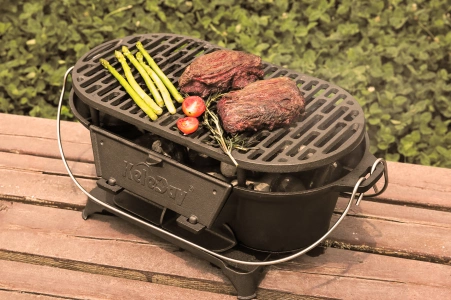
Simply put, a cast iron smoker is a slow-cooking barbecue unit where the core components or the entire structure are made from cast iron. This could manifest as a full cast iron smoker body, like certain kamado-style cookers, or more commonly, as a hybrid smoker with heavy-duty cast iron cooking grates, a cast iron firebox (where the fuel burns), or a cast iron charcoal basket.
To appreciate its value, we must first understand the material itself. Cast iron, an alloy of iron, carbon, and silicon, is renowned for its unparalleled heat retention and durability. For centuries, it has been a cornerstone of kitchens and culinary traditions worldwide. From the Dutch ovens our ancestors used in hearths to the beloved cast iron skillets in modern homes, this material has stood the test of time. When you choose a cast iron smoker, you are not just selecting a tool; you are investing in a continuing piece of culinary history.
In contrast to the thin-walled steel smokers common today, a cast iron smoker represents a “heavy-industry” approach to cooking. It forgoes portability for mass and stability, providing a rock-solid foundation for the long, slow barbecue process.
Five Unbeatable Advantages of a Cast Iron Smoker
The reasons for choosing a cast iron smoker are numerous, but they ultimately distill into five decisive advantages that work in concert to create those unforgettable barbecue feasts.
1. Superior Heat Retention and Even Distribution
This is the flagship feature of any cast iron smoker. Cast iron has a very high volumetric heat capacity, meaning it can absorb and store a tremendous amount of thermal energy far more effectively than ordinary steel. Once preheated, a thick piece of cast iron acts like a thermal battery, releasing heat steadily and consistently.
Temperature Stability: In low-and-slow cooking, a stable temperature is half the battle. A gust of wind or adding new fuel won’t cause a massive temperature swing in a well-designed cast iron smoker. It creates an incredibly stable thermal environment, allowing heat to slowly and evenly penetrate the meat, breaking down connective tissue without drying out the exterior. This is paramount for cuts like brisket or pork shoulder that require 8-16 hours of uninterrupted cooking.
Elimination of Hot Spots: Thin-walled smokers are notorious for developing hot and cold spots, leading to unevenly cooked food. The massive thermal mass of a cast iron smoker helps to buffer and equalize temperature across the entire cooking surface, ensuring every square inch of your meat receives the same perfect treatment.
2. Unmatched Moisture Retention and Juiciness
One of the biggest challenges in barbecue is preventing meat from drying out during its lengthy cook. The cast iron smoker excels here.
Radiant Heat Magic: Unlike convection ovens that primarily rely on hot air, a cast iron smoker radiates a deep, penetrating infrared heat. This energy directly excites the water molecules within the meat itself, cooking it from the inside out more effectively. This results in an incredibly juicy and tender final product. The stable temperature also prevents the violent boiling off of internal juices that can happen with erratic heat sources.
3. Built to Last a Lifetime (And Then Some)
Durability is in cast iron’s DNA. A high-quality cast iron smoker is not a disposable gadget; it’s a lifelong companion.
Heavy-Duty Construction: These smokers are built thick to withstand the test of time, resist warping under extreme heat, and endure the elements far better than their thinner counterparts. With basic care, a cast iron smoker can easily become a family heirloom, gathering stories and flavor with each use.
Rust and Patina: While bare cast iron is susceptible to rust, most modern cast iron smoker components are seasoned at the factory or feature a high-temperature enamel coating designed to resist corrosion. This seasoned layer, or patina, is a protective, non-stick coating that improves with use, much like a well-loved cast iron skillet.
4. The Perfect Sear and Versatility
A cast iron smoker isn’t just for low-and-slow cooking. Its ability to reach and maintain searing-hot temperatures makes it incredibly versatile.
Reverse Searing Excellence: The cast iron smoker is the ultimate tool for the reverse sear method. You can slowly smoke a thick steak or roast to the perfect internal temperature with incredible control, then crank up the heat or move it directly over the firebox onto a scorching-hot cast iron grate to achieve a restaurant-quality, caramelized crust that is simply unattainable on a grill with thin, chrome-plated wires.
A Multi-Functional Powerhouse: Many cast iron smoker models allow you to configure them for direct grilling, indirect smoking, and even pizza baking at 700°F (370°C) and above. The thermal mass ensures that even when you open the lid to sear a steak, the temperature recovers quickly.
5. Flavor Foundation: The Maillard Reaction and Smoke Adhesion
Cast iron is a catalyst for flavor development.
Superior Searing and the Maillard Reaction: That incredible crust we crave on meats is the result of the Maillard reaction, a complex chemical process between amino acids and sugars that occurs at high heat. A cast iron cooking grate, super-heated, provides the perfect surface to catalyze this reaction, creating a depth of flavor that thin grates cannot match.
Smoke Adhesion: A hot, seasoned cast iron surface interacts with the smoke particles differently. It’s believed that the microscopic texture of a seasoned grate helps to capture and hold smoke flavors, which then transfer directly to the food, enhancing the overall smokiness of your barbecue.
How to Use a Cast Iron Smoker Effectively
To get the most out of your cast iron smoker, follow these steps:
Season the Smoker – Just like a cast iron skillet, season your smoker before first use.
Choose the Right Wood – Hickory, applewood, and mesquite create different flavor profiles.
Control the Heat – Maintain low and steady temperatures (around 225°F to 250°F).
Prepare the Meat – Marinate or rub with spices to enhance flavor.
Smoke Slowly – Low and slow cooking ensures tender, juicy results.
Pro Tip: Keep a water pan inside the smoker to maintain humidity and prevent meats from drying out.
Maintenance and Care of Cast Iron Smokers
To ensure your cast iron smoker lasts for decades, proper care is essential:
Clean After Each Use – Scrape off food residue and ashes.
Avoid Soap – Clean with warm water and a stiff brush to protect seasoning.
Dry Immediately – Prevent rust by drying thoroughly.
Oil Regularly – Apply a thin coat of oil to maintain non-stick seasoning.
Store in a Dry Place – Keep covered to avoid moisture damage.
With consistent care, your smoker becomes more seasoned and effective over time.
Choosing the Best Cast Iron Smoker
When shopping for a cast iron smoker, consider these factors:
Size & Capacity – How many people will you typically cook for?
Portability – Do you need a compact smoker for camping, or a large one for backyard use?
Wood Compatibility – Ensure it can handle your preferred smoking woods.
Design – Vertical vs. horizontal smokers offer different cooking experiences.
Budget – High-quality cast iron may cost more but lasts for generations.
Conclusion: An Investment in Flavor and Legacy
In a world of fast food and disposable goods, the cast iron smoker stands as a bastion of quality, patience, and depth. It asks for a little more effort in understanding and maintenance but repays that effort a thousandfold in the form of superior barbecue, unparalleled versatility, and a tool that is built to last a lifetime.
It connects us to a simpler time, to the elemental combination of fire, iron, and food. It teaches us about thermal dynamics, patience, and the rewarding art of creating something extraordinary with our own hands. So, if you’re ready to elevate your barbecue from good to legendary, to create meals that your friends and family will talk about for years, then it’s time to embrace the power, tradition, and incredible flavor of a cast iron smoker. Your culinary legacy awaits.