The Ultimate Guide to Camping Fire Pits: Your Complete Handbook for Outdoor Fires
Introduction: The Timeless Allure of the Campfire
There is something fundamentally human about gathering around a fire. For thousands of years, humans have used fire for warmth, protection, cooking, and community. The modern camping fire pit represents the evolution of this ancient tradition, providing a safe, controlled way to enjoy the primal pleasure of fire while minimizing environmental impact. Whether you’re roasting marshmallows with family, sharing stories with friends, or simply enjoying the mesmerizing dance of flames after a long day of hiking, a proper camping fire pit serves as the heart of any outdoor adventure.
This comprehensive guide will explore everything you need to know about camping fire pits, from choosing the right type for your needs to mastering advanced fire-building techniques.
A Brief History of the Camping Fire Pit
Fire has always been central to human survival. Early humans used fire pits dug into the ground for warmth, light, and cooking. Over centuries, these primitive pits evolved into portable and durable Camping Fire Pits designed for convenience and safety.
In modern camping culture, the fire pit is more than just a source of heat — it is a gathering point, a cooking station, and a symbol of community.
Understanding Camping Fire Pit Types and Features
Permanent vs. Portable Fire Pits
When it comes to camping fire pits, the first decision is whether you need a permanent installation or a portable solution. Established campgrounds typically offer permanent camping fire pits made of steel rings or stone constructions. These are designed to contain fires safely and minimize ground impact. However, for dispersed camping or more remote locations, portable camping fire pits offer flexibility and environmental responsibility.
Portable camping fire pits come in several designs, including:
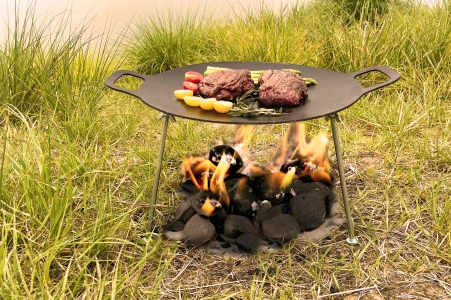
Steel bowl designs with folding legs
Collapsible stainless steel models
Lightweight titanium options for backpacking
Propane-powered fire pits for areas with fire restrictions
Material Considerations
The material of your camping fire pit significantly impacts its durability, weight, and heat retention. Steel remains the most popular choice for its balance of durability and affordability. Stainless steel offers better corrosion resistance, while titanium provides the best weight-to-strength ratio for backpacking.
Size and Capacity
Choosing the right size camping fire pit depends on your typical group size and transportation method. Solo campers might prefer compact models measuring 12-16 inches in diameter, while family camping groups might opt for larger 24-30 inch models. Consider both the fire bowl size and the collapsed dimensions for storage and transport.
The Science and Safety of Campfire Management
Fire Fundamentals: The Fire Triangle
Understanding the science of fire is crucial for safe and efficient camping fire pit use. The fire triangle illustrates that fire requires three elements: heat, fuel, and oxygen. A successful camping fire pit operation involves managing these three components:
Heat: Provided by your ignition source
Fuel: Wood, charcoal, or propane
Oxygen: Controlled through fire structure and airflow management
Safety Protocols and Equipment
Safety should always be your primary concern when using a camping fire pit. Essential safety practices include:
Maintaining a 15-foot clearance from tents and flammable materials
Keeping a water source and shovel nearby
Never leaving fires unattended
Properly extinguishing fires before sleeping or breaking camp
Legal and Environmental Considerations
Before building any fire, always check local regulations and fire danger levels. Many areas implement seasonal fire bans during dry conditions. Even when fires are permitted, practice Leave No Trace principles by:
Using existing fire rings when available
Keeping fires small and manageable
Burning only local, dead wood
Completely extinguishing fires and scattering cool ashes
Cooking with a Camping Fire Pit
One of the greatest joys of camping is outdoor cooking. With a Camping Fire Pit, your options are limitless:
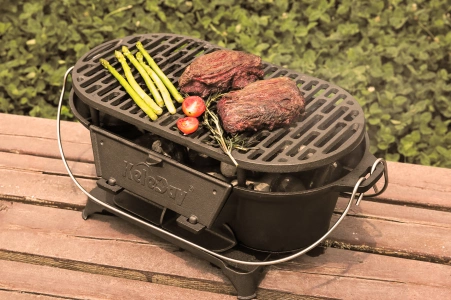
Grilling: Use Grill Pans for steaks and burgers.
Skillet Frying: Cast iron skillets for bacon, eggs, and pancakes.
Dutch Oven Cooking: Perfect for stews, chili, or cobbler.
Roasting: Marshmallows, hot dogs, and kebabs.
Boiling: Place pots directly over flames or coals.
Tips for Building the Perfect Fire
Use dry hardwood like oak or maple for long-lasting flames.
Arrange wood in a teepee or log cabin style for airflow.
Start with kindling before adding larger logs.
Never use gasoline or unsafe accelerants.
Keep a bucket of water or sand nearby.
A well-built fire not only makes cooking easier but also enhances the overall camping experience.
Advanced Fire Building Techniques
Traditional Fire Lay Methods
Mastering different fire lay techniques will help you adapt to various conditions and purposes. The three most effective methods for camping fire pit use include:
Teepee Method: Ideal for quick, hot fires perfect for cooking. Arrange kindling in a cone shape over tinder, allowing for excellent airflow and rapid ignition.
Log Cabin Method: Best for longer-lasting fires that provide sustained heat. Create a square structure with larger logs, filling the center with tinder and kindling. This method is excellent for social fires and cooler evenings.
Lean-To Method: Effective in windy conditions. Place a larger log on the windward side of your camping fire pit and lean kindling against it, creating a windbreak while allowing sufficient airflow.
Fire Starting in Adverse Conditions
Building a successful fire in rain or wind requires special techniques. Always keep tinder and kindling dry in waterproof containers. In wet conditions, look for dry wood from standing dead trees or split larger logs to access dry interior wood. Using commercial fire starters or homemade wax-based starters can significantly improve success rates in challenging conditions.
Fire Maintenance and Management
A well-managed camping fire pit requires ongoing attention. Learn to add wood strategically to maintain consistent heat levels. Keep a separate pile of wood drying near (but not too close to) the fire. Use a poker to arrange logs for optimal burning and airflow. Remember that a smaller, hotter fire is more efficient and produces less smoke than a large, smoldering one.
Specialized Fire Pit Applications
Backpacking and Ultralight Solutions
For backpackers, weight and packability are primary concerns. Modern ultralight camping fire pit options include:
Titanium wood-burning stoves
Collapsible stainless steel fire boxes
Integrated cooking systems that maximize efficiency
These systems allow backpackers to enjoy fires while minimizing environmental impact and weight burden.
Car Camping and Family-Friendly Setups
Family camping trips benefit from larger, more feature-rich camping fire pit designs. Look for models with:
Integrated cooking surfaces
Spark screens for safety
Larger fuel capacity
Stable bases that won’t tip easily
These features make family camping fire pit experiences safer and more enjoyable for everyone.
Four-Season Fire Pit Use
With proper preparation, your camping fire pit can provide comfort and utility year-round:
Winter Camping: Fires provide crucial warmth and morale during cold-weather trips. Position your camping fire pit to reflect heat toward shelter while ensuring proper ventilation.
Summer Evenings: In warmer months, smaller fires for cooking and ambiance are preferable. Focus on quick-starting fires that produce minimal excess heat.
Emergency Preparedness
A reliable camping fire pit can be a vital survival tool in emergency situations. Practice building fires with minimal resources and under adverse conditions. Portable camping fire pit systems can provide cooking capability and warmth during power outages or other emergencies.
Environmental Stewardship and Sustainability
Minimizing Ecological Impact
Responsible camping fire pit use requires conscious effort to protect natural environments. Key principles include:
Using established fire rings whenever possible
Keeping fires small and manageable
Burning only dead and downed wood
Avoiding damage to living trees and vegetation
Never burning trash or plastic materials
Firewood Management
The transportation of firewood has contributed to the spread of invasive insects and diseases. Always follow the “buy it where you burn it” principle. Purchase firewood locally or gather deadfall on site when permitted. If you must transport wood, ensure it’s properly seasoned and comes from certified sources.
Alternative Fuel Sources
Consider environmentally friendly alternatives to traditional wood fires:
Propane Fire Pits: These offer a clean-burning alternative that’s permitted during many fire bans. While lacking the traditional campfire experience, they provide instant flame control and leave no ash residue.
Ethanol and Bioethanol: These renewable fuel sources produce minimal particulate matter and are increasingly popular in eco-conscious camping circles.
Maintenance, Storage, and Troubleshooting
Cleaning and Maintenance
Proper maintenance extends your camping fire pit‘s lifespan and ensures safe operation. After each use:
Allow the unit to cool completely
Remove ash and debris
Wash with mild soap and water (for stainless steel and titanium)
Check for cracks, warping, or rust spots
Off-Season Storage
During periods of non-use, proper storage prevents damage:
Ensure the camping fire pit is completely dry
Apply a thin layer of oil to steel components to prevent rust
Store in a dry, protected area
For collapsible models, ensure all moving parts work freely
Common Problems and Solutions
Even with proper care, you may encounter issues with your camping fire pit:
Rust Formation: Light surface rust can be removed with steel wool and re-seasoning. Severe corrosion may require professional repair or replacement.
Warping from Heat: Prevent warping by avoiding extremely hot fires and never pouring water on hot metal. If warping occurs, the unit may need replacement.
Difficulty Igniting: This is usually a fuel or technique issue rather than a equipment problem. Ensure wood is dry and properly arranged for airflow.
Conclusion
A Camping Fire Pit is more than a tool — it’s the heart of outdoor adventure. It keeps you warm, cooks your meals, and brings people together.
Pair it with durable Cast Iron Cookware, Grill Pans, or even a Camping Gas Stove, and you’ll have the perfect outdoor kitchen setup.
Whether you’re a weekend camper or a seasoned explorer, investing in a quality Camping Fire Pit ensures your trips are filled with warmth, great food, and unforgettable memories.