Cast Iron Cookware: The Ultimate Comprehensive Guide to Mastering Timeless Culinary Excellence
Cast iron cookware holds a unique and revered place in the kitchen. It’s a testament to the idea that the best tools are often the simplest, enduring for generations while modern alternatives come and go. More than just a pan, cast iron is a versatile workhorse, a health-conscious choice, and a piece of culinary heritage. Whether you’re searing a steak to perfection, baking a rustic loaf of bread, or frying up a classic breakfast, cast iron cookware delivers unparalleled results. This comprehensive guide will explore everything from its rich history and scientific benefits to practical use, care, and why it remains an indispensable tool for chefs and home cooks alike.
The Timeless Legacy and Enduring Excellence of Cast Iron Cookware
A Profound Journey Through Culinary History and Cultural Heritage
Cast iron cookware carries within its molecular structure the accumulated wisdom of over two millennia of human cooking innovation, evolving from the crude but functional vessels of ancient civilizations into the precision-engineered culinary instruments that grace today’s most sophisticated kitchens. This remarkable material has witnessed the rise and fall of empires, survived countless technological revolutions, and maintained its essential role in kitchens spanning every continent and culture, proving its worth through consistent performance across diverse cooking traditions and evolving culinary demands.
The historical significance of cast iron extends far beyond mere functionality—it represents humanity’s mastery over fire and metal, the fundamental technologies that enabled civilization itself. From medieval European monasteries where monks crafted the first recognizable cast iron pots to Colonial American foundries that supplied the cookware that built a nation, cast iron has been intimately connected with human progress, survival, and the development of culinary traditions that define regional cuisines around the world.
Archaeological evidence reveals that cast iron cooking vessels were treasured possessions, often passed down through generations as family heirlooms of immense practical and sentimental value. These pieces tell stories of family meals, holiday celebrations, and the daily sustenance that bound communities together around shared tables and common hearths. The patina that develops on well-used cast iron represents not just a cooking surface, but a visual record of countless meals, celebrations, and the nurturing care that transforms houses into homes.
The Sophisticated Science Behind Unparalleled Performance
The exceptional culinary performance of cast iron cookware results from a complex interplay of metallurgical properties, thermal dynamics, and surface chemistry that modern materials science has only recently begun to fully understand and appreciate. The unique molecular structure of cast iron, with its high carbon content and crystalline formation, creates thermal characteristics that remain unmatched by any contemporary cooking material, delivering heat retention and distribution properties that enable cooking techniques impossible with other materials.
The thermal mass properties of cast iron represent perhaps its greatest advantage in culinary applications. Unlike thinner materials that respond rapidly to heat source changes, cast iron absorbs heat gradually and releases it slowly and evenly, creating stable cooking environments that maintain consistent temperatures even when cold ingredients contact the cooking surface. This thermal stability enables the development of complex flavors through sustained Maillard reactions, the chemical processes that create the deep, rich tastes and aromas that distinguish superior cooking from mere food preparation.
Surface porosity in cast iron creates unique cooking characteristics that improve dramatically with proper use and maintenance. The microscopic texture of properly seasoned cast iron provides mechanical food release while the polymerized oil layers create natural non-stick properties that surpass synthetic alternatives in both performance and durability. Understanding these scientific principles enables cooks to maximize their equipment’s potential while developing the skills necessary for consistently excellent results.
The Science of the Sear: Unpacking the Unique Properties of Cast Iron
What makes cast iron cookware so effective? The answer lies in its fundamental physical properties. Unlike other materials that merely conduct heat, cast iron is a master of heat retention.
Exceptional Heat Capacity and Retention: Cast iron is relatively slow to heat up because it is dense and heavy. However, once hot, it holds a tremendous amount of heat energy and distributes it evenly across its surface. This is a critical advantage when searing meat. When a steak hits a preheated cast iron skillet, the pan doesn’t experience a significant temperature drop. This ensures a consistent, fierce heat that creates a magnificent, caramelized crust through the Maillard reaction—the chemical process responsible for the deep, complex flavors of browned food. No thin, lightweight pan can match this searing power.
The Secret is in the Seasoning: Natural Non-Stick Properties. A well-maintained cast iron skillet is naturally non-stick. This isn’t due to a chemical coating but to a process called “seasoning.” Seasoning is a layer of polymerized oil that has bonded to the iron’s surface through heating. This layer fills the microscopic pores of the metal, creating a smooth, slick barrier that prevents food from sticking. Unlike synthetic non-stick coatings that wear out over time, a cast iron pan’s seasoning can be maintained and improved indefinitely, making it a truly sustainable non-stick solution.
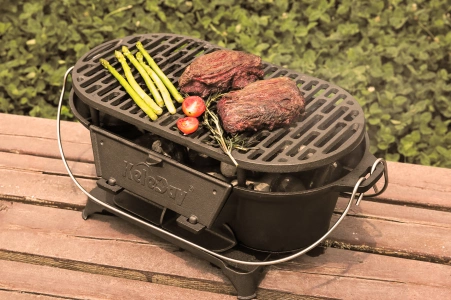
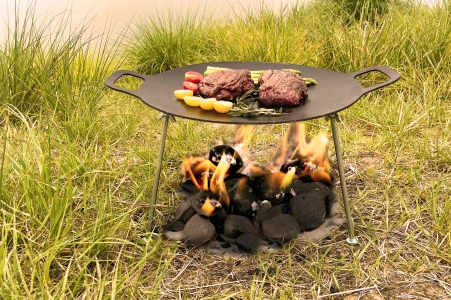
Versatility Unmatched: From Stovetop to Oven to Campfire. Another superpower of cast iron cookware is its versatility. Since the entire piece—handle and all—is made of iron, it can safely go from the stovetop directly into a blazing hot oven. This makes it ideal for recipes that require both searing and finishing in the oven, like thick-cut pork chops or a frittata. You can even use it under the broiler. This stovetop-to-oven capability also makes it perfect for baking; a cast iron skillet is famous for creating the best cornbread and pizza with a crispy crust. Its durability extends to outdoor use, performing flawlessly on a grill or directly over campfire coals.
A Pan for Every Purpose: Exploring the Different Types of Cast Iron Cookware
The term “cast iron skillet” is just the beginning. The family of cast iron cookware includes specialized pieces for nearly every culinary task.
The Skillet/Frying Pan: The undisputed champion. Available in various sizes (from 6-inch individual portions to massive 15-inch pans), it’s your go-to for frying, searing, sautéing, baking, and more. Its sloped sides make it easy to toss food and flip items.
The Dutch Oven: Arguably the most versatile piece. This heavy pot with a tight-fitting lid is a slow-cooking powerhouse. It’s perfect for braising meats, making stews, soups, and chili, and even deep-frying. The lid is designed to hold coals on top when used outdoors, turning it into an efficient oven for baking bread or roasting. Enameled Dutch ovens are particularly popular for their ease of use and colorful aesthetics.
The Grill Pan: This skillet features raised ridges on the cooking surface, designed to mimic the marks and function of an outdoor grill. It’s excellent for creating char marks on vegetables, meats, and halloumi cheese while allowing fat to drain away into the channels.
The Griddle: A flat, rimless or low-rimmed pan perfect for cooking pancakes, eggs, bacon, and grilled cheese sandwiches. Large rectangular griddles can cover two burners, creating a vast cooking surface for a big breakfast fry-up.
Specialty Pieces: This includes everything from cast iron muffin pans (“gem pans”) and loaf pans for baking to cornbread stick molds, ebelskiver pans (for Danish pancake balls), and even cast iron woks.
Outdoor Cooking with Cast Iron Cookware
For campers, cast iron is invaluable. Dutch ovens over coals, skillets on camp stoves, or grill pans on fire pits transform outdoor meals into feasts. Its rugged nature withstands direct flames and uneven heat better than most modern cookware.
Outdoor favorites:
Cowboy beans in a Dutch oven.
Skillet cornbread baked over campfire coals.
Cast iron pizza on a camp grill.
The Intricate Art and Applied Science of Cast Iron Seasoning
Understanding the Complex Chemistry of Seasoning Development
Seasoning represents far more than a simple maintenance procedure—it constitutes a sophisticated chemical transformation that converts raw cast iron cookware into naturally non-stick cooking instruments through the careful application and polymerization of oil layers under controlled high-heat conditions. This process creates protective barriers that prevent rust formation while developing cooking surfaces that improve continuously with proper use and maintenance, eventually achieving performance characteristics that surpass synthetic non-stick coatings in both effectiveness and longevity.
The polymerization process involves complex chemical reactions where oil molecules link together under high heat to form hard, durable films that bond chemically with the iron surface. Different oils produce varying results based on their molecular structure, smoke points, and polymerization characteristics, with high-quality oils like flaxseed, grapeseed, and refined canola producing superior long-term performance compared to traditional options like lard or vegetable shortening that were commonly used in earlier eras.
Understanding the relationship between temperature, time, and oil selection enables cooks to develop customized seasoning layers that provide optimal performance for specific cooking styles and ingredient types. Multiple thin coats consistently outperform single thick applications, which tend to become sticky or uneven, while proper temperature control ensures complete polymerization without oil breakdown that can create bitter flavors or compromised surface characteristics.
Environmental factors including humidity, air circulation, and temperature stability significantly affect seasoning success, making proper technique and controlled conditions essential for achieving optimal results. Consistent oven temperatures, adequate ventilation, and appropriate timing ensure complete oil polymerization while preventing common problems like stickiness, unevenness, or incomplete coverage that can compromise seasoning effectiveness.
Detailed Step-by-Step Seasoning Procedures and Techniques
Initial seasoning of new cast iron cookware begins with thorough cleaning using hot water and stiff brushes to remove manufacturing residues, protective coatings, and any contamination that could interfere with proper oil adhesion and polymerization. Some manufacturers apply temporary protective coatings that require removal before seasoning, while others provide pre-seasoned surfaces that benefit from additional seasoning layers to enhance performance characteristics.
Surface preparation involves complete drying to eliminate all moisture that could interfere with oil adhesion, followed by gentle heating to ensure complete water evaporation from microscopic surface pores. Room temperature oil application using thin, even coats applied with lint-free cloths or paper towels creates optimal conditions for uniform polymerization, while excess oil removal prevents pooling and uneven thickness that can create sticky or irregular seasoning layers.
Oven seasoning requires precise temperature control, typically between 375-500°F depending on oil selection and desired characteristics, with placement considerations that ensure even heating and proper air circulation around all cookware surfaces. Inverted positioning prevents oil pooling while drip pans protect oven surfaces, and timing requirements vary from 30 minutes to several hours depending on oil type and desired seasoning depth.
Multiple seasoning cycles build protective layers progressively, with each application creating additional protection and improved cooking characteristics. Patience during this process rewards cooks with naturally non-stick surfaces that continue improving with proper use and maintenance, eventually achieving performance levels that make cast iron preferable to any synthetic alternative for discerning cooks who appreciate superior cooking characteristics.
Advanced Seasoning Maintenance and Restoration Techniques
Regular seasoning maintenance keeps cast iron cookware performing at optimal levels through understanding when additional seasoning becomes necessary and implementing appropriate restoration procedures that address specific performance issues or damage that may have occurred through normal use or occasional neglect. Recognizing early signs of seasoning deterioration prevents more serious problems while maintaining the superior cooking characteristics that make cast iron so valuable.
Stove-top seasoning techniques complement oven methods by providing convenient maintenance options that don’t require heating entire ovens for small touch-up applications. Heating pans on stovetops with light oil applications creates additional seasoning layers while removing minor imperfections or rough spots that may develop through normal use. Understanding temperature control during stovetop seasoning prevents oil smoking and ensures proper polymerization without kitchen ventilation issues.
Seasoning restoration procedures address more serious problems including rust formation, damaged seasoning layers, or contamination that compromises cooking performance. Complete stripping and re-seasoning returns even severely neglected pieces to excellent condition through systematic procedures that remove damaged layers and rebuild protective coatings using proper techniques and materials that ensure long-term success.
Advanced maintenance includes understanding how different cooking methods affect seasoning longevity and implementing preventive measures that maximize seasoning durability. Acidic foods, extended soaking, and aggressive cleaning can gradually compromise seasoning layers, while proper cooking techniques and appropriate maintenance actually strengthen and improve seasoning characteristics over time, making well-maintained cast iron increasingly valuable and effective.
The Art of Maintenance: How to Season, Clean, and Care for Your Cast Iron
The perceived high maintenance of cast iron cookware is its biggest myth. With a few simple habits, care becomes second nature.
The Ritual of Seasoning: Seasoning is the lifeblood of your pan. For a new, bare cast iron pan, or to restore a rusty find, a robust initial seasoning is key.
Wash & Dry: Scrub the pan with warm, soapy water and a stiff brush (yes, a little soap is fine for a seasoned pan!). Dry it immediately and thoroughly.
Apply Oil: Using a paper towel, apply a very thin layer of a high-smoke-point oil (like flaxseed, canola, or vegetable oil) to every surface, inside and out.
Bake Upside Down: Place the pan upside down in a preheated 450-500°F (230-260°C) oven for one hour. Place a sheet of foil on the lower rack to catch any drips.
Cool and Repeat: Turn off the oven and let the pan cool inside. For a new pan, repeating this process 2-3 times builds a strong foundation.
Daily Cleaning (It’s Easier Than You Think): Contrary to popular belief, you can use mild soap on a well-seasoned cast iron pan. The polymerized seasoning is a hardened plastic-like layer that won’t be broken down by modern, gentle soaps. The key steps are:
Clean while the pan is still warm (not scorching hot) with warm water and a small amount of soap. Use a non-metallic scrub brush or a chainmail scrubber for stuck-on bits.
Dry immediately and completely with a towel.
Apply a tiny bit of oil. Place the pan on a warm burner for a minute to evaporate any residual moisture, then wipe a few drops of oil inside with a paper towel. This prevents rust and maintains the seasoning.
Storing and Troubleshooting: Store your cast iron in a dry place. If you stack pans, place a paper towel or a cloth between them to protect the seasoning. For minor rust spots, scrub with steel wool and re-season the affected area. With this simple routine, your cast iron cookware will only get better with age.
Conclusion: An Heirloom for the Future
Cast iron cookware is more than a trend; it’s a timeless investment in your culinary journey. It teaches patience, rewards care, and delivers results that modern technology struggles to match. It’s a piece of kitchenware that tells a story—of meals shared, skills honed, and traditions passed down. By choosing cast iron, you’re not just buying a pan; you’re acquiring a loyal kitchen companion that, with proper care, will serve you for a lifetime and beyond, becoming an heirloom for future generations. Start your journey today and discover the profound satisfaction of cooking with cast iron