The Ultimate Camping Fire Pit Guide: Creating Perfect Outdoor Experiences Around the Perfect Flame
Nothing captures the essence of outdoor adventure quite like gathering around a well-designed camping fire pit. This ancient focal point of human civilization continues to serve as the heart of memorable camping experiences, providing warmth, cooking capabilities, and a natural gathering place that brings people together under starlit skies. Understanding how to select, set up, and safely operate fire pits transforms ordinary camping trips into extraordinary adventures filled with warmth, good food, and lasting memories.
The “Why” – The Core Value of a Camping Fire Pit
Before we delve into the “how,” it’s crucial to understand the “why.” Why is a dedicated camping fire pit so important? Its value extends far beyond a simple containment ring.
The Foundation of Safety and Control: This is the paramount reason. A well-designed camping fire pit contains the fire within a controlled boundary, drastically reducing the risk of a wildfire. Its fire ring or walls help prevent embers from being carried by the wind into surrounding dry brush. Compared to a makeshift scrape in the ground, a commercial or campsite-provided camping fire pit offers a significantly higher level of safety assurance.
The Guardian of the Environment: “Leave No Trace” is the golden rule of the outdoors. Using an established camping fire pit minimizes the impact on the land. It concentrates the ashes, preventing the soil from being permanently sterilized by intense heat and protecting the local ecosystem. When you leave, you can properly dispose of the cooled ashes in a designated manner, allowing the site to return to its natural state.
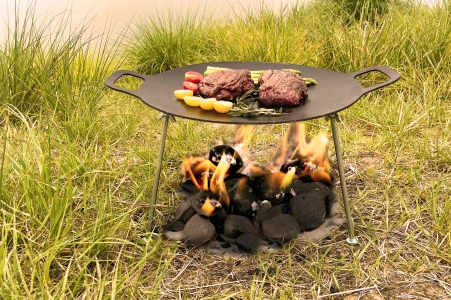
The Enhancer of the Experience: A camping fire pit elevates the entire experience. It provides a stable, predictable base for your fire, making it easier to manage and cook on. Many portable models are designed with cooking grates or have surfaces stable enough to support cookware, turning your fire into a versatile outdoor kitchen. It becomes the undeniable focal point of your campsite, drawing people together and creating lasting memories.
Choosing Your Flame – Types of Camping Fire Pits
Not all fire pits are created equal. Your choice will depend on your camping style, location, and transportation method. Here’s a breakdown of the main categories.
1. Permanent Fire Pits (at Campgrounds)
These are the steel or stone rings you find at established drive-in campgrounds.
Pros: No need to carry one; stable and durable; designed for the specific site.
Cons: Lack of flexibility; availability is not guaranteed; can be poorly maintained.
Usage Tip: Always inspect the camping fire pit upon arrival. Clear any excess debris and ensure the area around it is clear of flammable materials.
2. Portable Fire Pits: The Go-Anywhere Option
This category has exploded in popularity, offering unparalleled flexibility for various camping scenarios.
a) Steel Bowl Fire Pits: These are the most common portable models. They often feature a bowl-shaped base with legs and a spark screen lid. They are relatively lightweight, easy to set up, and provide 360-degree visibility of the fire.
b) Collapsible Fire Pits: Designed for backpackers and minimalist campers, these are made from stainless steel panels that fold flat. They are incredibly compact and lightweight but may offer less stability and heat radiation than a solid bowl.
c) Propane Fire Pits: A game-changer for areas with fire restrictions or for campers seeking ultimate convenience. These pits burn clean propane gas, producing real flames without smoke or sparks. They are clean, easy to light and extinguish, and leave no ash behind.
d) Specialty and DIY Options: This includes small, elevated fire pits or even ultra-compact models like the “Solo Stove” which are designed for high efficiency and minimal smoke.
Essential Features and Design Considerations
Size and Capacity Planning
Selecting appropriate camping fire pit size requires balancing heat output needs, group size, and portability constraints. Larger pits provide more heat and cooking space but demand proportionally more fuel and create transport challenges for mobile camping scenarios.
Understanding the relationship between fire pit diameter, heat output, and seating capacity enables optimal size selection that accommodates typical group sizes while remaining manageable for transport and setup procedures. Most camping groups find 20-24 inch diameters provide optimal balance between performance and practicality.
Construction Materials and Durability
Material selection significantly impacts camping fire pit longevity, performance, and maintenance requirements. Heavy-gauge steel provides excellent durability and heat retention while remaining reasonably portable, making it the preferred choice for most camping applications.
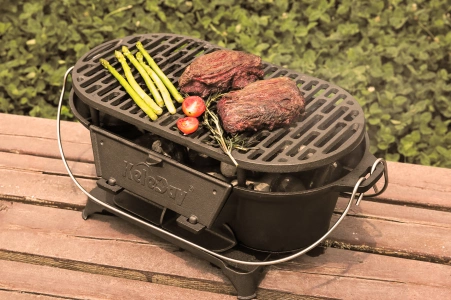
Stainless steel offers superior corrosion resistance but commands premium pricing that may not be justified for occasional use. Cast iron provides exceptional heat characteristics but requires careful maintenance to prevent rust formation and degradation over time.
Airflow Design and Combustion Efficiency
Proper ventilation design enables complete fuel combustion while minimizing smoke production that could compromise user comfort and environmental impact. Well-engineered camping fire pit units feature strategic air intake and exhaust patterns that optimize burn characteristics.
Understanding how airflow affects combustion efficiency enables users to position and operate fire pits for optimal performance while minimizing fuel consumption and smoke generation that could disturb nearby campers or wildlife.
Safety Features and Containment
Modern camping fire pit designs incorporate multiple safety features including spark screens, heat shields, and stable base designs that minimize accident risks while protecting surrounding areas from heat damage and flying embers.
Effective containment systems prevent fire spread while enabling easy monitoring and control of burning processes. These features become particularly important in dry conditions or areas with fire restrictions that require enhanced safety measures.
Safety First – The Non-Negotiable Rules of Fire
A fire is a useful tool, but it demands respect. Adhering to these rules is critical.
Never Leave Unattended: A fire can spread in seconds. If you need to leave the campsite or go to sleep, the fire must be completely extinguished.
Keep Water and a Shovel Nearby: Always have a bucket of water and a shovel ready at your camping fire pit. This is your first line of defense for controlling escapes or for extinguishing the fire.
Mind the Spark Screen: If your portable camping fire pit comes with a spark screen, use it. It is highly effective at containing flying embers.
Supervise Children and Pets: Establish a clear “kid-and-pet-free zone” around the camping fire pit. A minimum of three feet is a good rule.
Avoid Accelerants: Never use gasoline, lighter fluid, or other accelerants to start or revive a fire in a camping fire pit. This is extremely dangerous and can cause explosive flare-ups.
The Campfire Kitchen – Cooking Over Your Fire Pit
The camping fire pit is the original outdoor kitchen. With the right techniques, you can create meals that rival your kitchen at home.
1. Mastering the Heat: Coals vs. Flames
Direct flames are for ambiance; hot coals are for cooking. For most meals, you’ll want to let your fire burn down to a bed of glowing red embers. These coals provide a consistent, radiant heat that is perfect for grilling, roasting, and baking, much like an oven.
2. Essential Cooking Gear:
Grill Grate: A simple, adjustable grill grate that spans your camping fire pit is the most versatile tool. It turns your fire into a grill.
Cast Iron Cookware: This is where your camping fire pit truly shines. Cast iron is the undisputed champion of fire pit cooking. Its incredible heat retention and even heating make it ideal for everything from searing steaks to simmering stews. A cast iron skillet and a Dutch oven are a formidable combination. You can sear meat directly on the grate or in the skillet and then slow-cook a chili or bake bread in the Dutch oven nestled in the coals.
Tripod and Dutch Oven: For authentic frontier-style cooking, a tripod with a chain allows you to suspend a Dutch oven or kettle over the fire, giving you precise height control.
Skewers and Pie Irons: For fun, easy meals, skewers are perfect for hot dogs and kebabs. Pie irons allow you to make delicious sealed sandwiches and desserts over the coals.
3. Recipe Idea: Foil Packet Feast
A simple, no-mess meal. Place sliced potatoes, carrots, onions, and a protein (sausage or chicken) on a large sheet of heavy-duty aluminum foil. Season with salt, pepper, and herbs. Drizzle with oil, seal the packet tightly, and place it directly on the hot coals of your camping fire pit for 20-30 minutes, flipping once. The result is a steaming, flavorful, and easy-to-clean-up meal.
Safety Tips for Using a Camping Fire Pit
Set up on flat, fire-safe ground.
Keep water or sand nearby.
Never leave the fire unattended.
Extinguish completely before leaving.
Follow local fire regulations.
Maintenance of a Camping Fire Pit
Clean Ash Regularly: Prevents buildup and improves airflow.
Protect Against Rust: Oil cast iron surfaces lightly after use.
Cover When Not in Use: Shields from rain and debris.
Check for Damage: Inspect legs, grates, and structure.
With proper care, a Camping Fire Pit can last for decades.
Conclusion: Your Portal to Adventure
A camping fire pit is more than just a piece of gear; it’s a portal to the heart of the outdoor experience. By choosing the right one, mastering its safe use, and respecting the environment, you unlock endless possibilities for adventure, camaraderie, and culinary delight. It teaches responsibility, patience, and the simple joy of creating something elemental.
So, on your next camping trip, approach your camping fire pit with knowledge and respect. Build your fire carefully, cook a memorable meal, share stories, and let the magic of the flames create memories that will last long after the last ember has grown cold.