Cast Iron Cookware: The Ultimate Guide to Timeless Kitchen Excellence
Cooking is an essential part of human culture, and the tools we use are just as important as the ingredients themselves. Among all types of cookware, Cast Iron Cookware has stood the test of time. From ancient hearths to modern kitchens, cast iron has been cherished for its durability, versatility, and ability to create flavorful meals.
In an era dominated by non-stick coatings and modern materials, cast iron cookware stands as a testament to enduring quality and superior cooking performance. This ancient cooking medium continues to gain popularity among professional chefs, home cooks, and outdoor enthusiasts who understand that some cooking methods simply cannot be replicated with contemporary alternatives.
In this comprehensive guide, we’ll explore the history, advantages, types, uses, care, and future of Cast Iron Cookware. By the end, you’ll understand why it remains one of the most trusted choices for home chefs, outdoor adventurers, and professional cooks alike.
1. What is Cast Iron Cookware?
Cast Iron Cookware is made by pouring molten iron into sand molds, creating heavy-duty pots, pans, griddles, and Dutch ovens. The material’s density provides exceptional heat retention and even cooking, making it perfect for everything from frying and baking to simmering and roasting.
2. A Brief History of Cast Iron Cookware
Ancient Origins: First used in China over 2,000 years ago.
Middle Ages: Spread through Europe for hearth cooking.
Colonial America: Dutch ovens became staples in households.
Modern Era: Today, Cast Iron Cookware is both a functional tool and a symbol of heritage cooking.
Benefits of Cast Iron Cookware
Durability: Lasts for generations with proper care.
Heat Retention: Keeps food warm longer.
Versatility: Works on stovetops, ovens, grills, and campfires.
Nonstick Surface: Naturally develops with seasoning.
Adds Iron to Diet: Cooking can increase iron content in food.
4. Types of Cast Iron Cookware
Skillets
Perfect for frying, searing, and sautéing.
Dutch Ovens
Deep and heavy, excellent for soups, braises, and baking bread.
Grill Pans
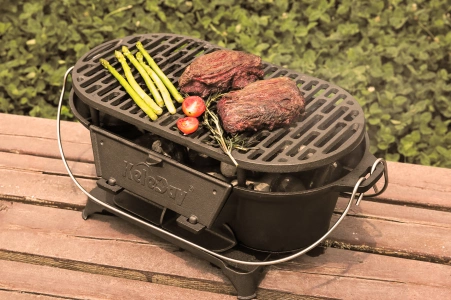
Ribbed surfaces for smoky char marks indoors or outdoors.。
Griddles
Flat, wide surfaces ideal for pancakes, bacon, or flatbreads.
Specialty Items
Woks, campfire tripods, muffin pans, and more.
5. How to Cook with Cast Iron Cookware
Preheat Properly: Always allow the pan to heat gradually.
Use the Right Oil: High-smoke-point oils work best.
Avoid Overcrowding: Give ingredients room to sear.
Oven-Safe: Move from stovetop to oven seamlessly.
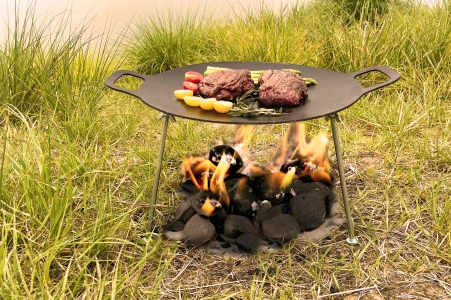
Outdoor Use: Place directly over campfire coals.
6. Seasoning Your Cast Iron Cookware
Seasoning is the process of building a protective, nonstick layer:
Clean and dry thoroughly.
Apply a thin coat of oil.
Bake upside down in the oven at high heat.
Repeat to build layers.
Properly seasoned Cast Iron Cookware resists rust and improves performance over time.
7.Care and Maintenance Mastery
Daily Cleaning Procedures
Proper daily care ensures cast iron cookware remains in excellent condition throughout decades of regular use. Understanding appropriate cleaning techniques prevents damage while maintaining seasoning integrity and cooking performance.
Contrary to popular misconceptions, cast iron can be cleaned with soap and water when necessary, provided proper drying and light oil application follow cleaning procedures. The key lies in understanding what cleaning methods support rather than compromise seasoning layers.
Long-Term Storage and Protection
Extended storage requires specific procedures that protect cast iron cookware from moisture and environmental factors that could compromise seasoning or cause rust formation. Proper preparation and storage conditions ensure equipment remains ready for immediate use after extended periods.
Climate control, moisture prevention, and protective coatings create optimal storage environments that preserve seasoning while preventing corrosion. These simple procedures extend equipment life indefinitely when consistently applied.
Restoration and Repair Techniques
Even severely damaged cast iron cookware can often be restored to excellent condition through systematic rehabilitation procedures. Understanding restoration techniques enables recovery of neglected pieces and correction of damage from improper care or storage.
Rust removal, seasoning restoration, and handle repairs represent common restoration projects that transform unusable pieces into treasured kitchen tools. The cost-effectiveness of restoration versus replacement makes these skills valuable for cast iron enthusiasts.
8. Best Recipes for Cast Iron Cookware
Steak: Achieve a perfect sear and crust.
Cornbread: Crispy edges and fluffy inside.
Roast Chicken: Golden skin and juicy meat.
Campfire Stew: Hearty meals on outdoor adventures.
Pizza: Crispy crust with melty toppings.
9. Cast Iron Cookware in Outdoor Cooking
Few things compare to cooking over a campfire with Cast Iron Cookware. Dutch ovens and skillets are perfect for:
Open-flame grilling.
Slow-cooked stews.
Freshly baked bread in the wilderness.
10. Uses and usage tips of cast iron cookware
Outdoor and Camping Uses
The durability and heat retention of cast iron cookware make it ideal for outdoor cooking applications where consistent performance and reliability are essential. Campfire cooking, Dutch oven baking, and grilling benefit from cast iron’s thermal properties.
Understanding outdoor cooking techniques, fuel management, and equipment care in challenging environments enables successful camping and outdoor cooking experiences. Cast iron’s ruggedness handles outdoor conditions that would damage other cookware materials.
Specialty Cooking Techniques
Advanced techniques like blackening, wok-style stir-frying, and deep-frying benefit from cast iron’s heat retention and temperature stability. These applications require understanding proper technique and safety procedures specific to cast iron cookware use.
Bread baking, pizza making, and confectionery applications demonstrate cast iron’s versatility beyond basic cooking applications. Mastering these techniques expands culinary possibilities while showcasing the material’s unique capabilities.
11.Investment Value and Economic Considerations
Cost Analysis Over Time
While cast iron cookware requires higher initial investment compared to some alternatives, the durability and longevity provide superior value over extended periods. Quality cast iron pieces can provide decades of service, making them economically advantageous despite higher purchase prices.
Calculating cost per use over expected lifetimes demonstrates cast iron’s economic advantages compared to cookware requiring frequent replacement. This analysis justifies initial investment in quality pieces that provide long-term value and superior cooking performance.
Maintenance Costs and Considerations
Proper maintenance of cast iron cookware requires minimal ongoing costs beyond basic cleaning supplies and occasional seasoning materials. Understanding maintenance requirements enables accurate cost planning and ensures optimal equipment performance throughout extended service lives.
Restoration capabilities mean even damaged cast iron can often be returned to excellent condition at minimal cost compared to replacement. This factor enhances the economic value proposition while providing options for acquiring quality vintage pieces at reduced costs.
12. Why Invest in Cast Iron Cookware?
Unlike disposable nonstick pans, Cast Iron Cookware is a lifelong investment. Its unmatched durability, versatility, and flavor-enhancing properties make it a must-have in every kitchen and campsite.
The enduring appeal of cast iron cookware lies in its combination of superior cooking performance, durability, and improvement with age that creates cooking experiences impossible to achieve with modern alternatives. From perfect steaks to artisan breads, cast iron enables culinary excellence while building traditions that span generations. Mastering cast iron cooking techniques and maintenance procedures rewards cooks with tools that become more valuable and capable over time, creating kitchen collections that serve as foundations for lifelong culinary adventures and family traditions.
Conclusion
Cast Iron Cookware is more than just a cooking tool — it’s a tradition, a lifestyle, and a bridge between past and future. Whether you’re searing a steak in your kitchen, baking bread outdoors, or passing down a family skillet, cast iron holds a unique place in culinary history.
Invest in high-quality Cast Iron Cookware today, and you’ll not only improve your meals but also create lasting memories for generations to come.