The Ultimate Camping Gas Stove Guide: Everything You Need for Perfect Outdoor Cooking
Cooking outdoors is an experience that combines practicality with adventure. Whether you are hiking, camping, or enjoying a weekend picnic, having the right cooking equipment can make or break your trip. One of the most reliable and versatile tools you can bring along is a Camping Gas Stove.
Compact, efficient, and easy to use, a Camping Gas Stove ensures that you don’t have to sacrifice good meals just because you’re away from your home kitchen. In this blog, we’ll explore why this tool is essential, how to choose the right one, and how to get the most out of your camping cooking experience.
Why a Camping Gas Stove Is a Must-Have for Outdoor Enthusiasts
The Evolution of Outdoor Cooking
Gone are the days when outdoor cooking meant struggling with unreliable campfires and unpredictable weather conditions. Modern camping gas stoves have revolutionized how we approach meals in the wilderness, offering consistent heat output, precise temperature control, and reliable performance regardless of environmental conditions.
The convenience factor alone makes gas stoves indispensable for serious outdoor enthusiasts. No more gathering kindling, waiting for fires to establish, or dealing with smoke that follows you around the campsite. A quality gas stove provides instant, controllable heat at the press of a button.
Versatility Across All Seasons
Unlike traditional campfire cooking, a camping gas stove performs equally well in summer heat and winter snow. This year-round reliability means you can plan outdoor adventures without worrying about cooking limitations based on weather conditions or fire restrictions.
From alpine environments where wood is scarce to desert locations where fire bans are common, gas stoves provide consistent cooking capabilities that adapt to any environment you choose to explore.
The Benefits of Using a Camping Gas Stove
1: Fast and Efficient Cooking
When hunger strikes after a long hike, you don’t want to wait for a fire to build. A Camping Gas Stove provides instant heat, allowing you to boil water or cook meals in minutes.
2: Lightweight and Portable Design
Modern stoves are designed to be lightweight and compact. Many models fold down into small sizes, making them easy to pack even for ultralight backpackers.
3: Safe and Reliable
Unlike open fires, a Camping Gas Stove offers a controlled flame, minimizing the risk of wildfires. Many stoves also feature built-in safety valves to regulate pressure.
4: Versatile Cooking Options
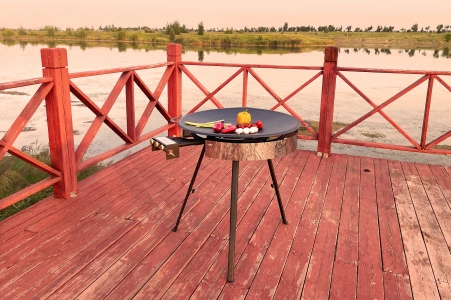
From boiling pasta to frying fish, a Camping Gas Stove supports different cookware, including
Understanding Different Types of Camping Gas Stoves
Canister Stoves: The Popular Choice
Canister-style camping gas stoves represent the most popular option among casual campers and serious backpackers alike. These stoves connect directly to pressurized fuel canisters containing butane, propane, or mixed fuel blends.
The primary advantages include lightweight design, easy setup, and precise flame control. Most canister stoves ignite with piezo ignition systems, eliminating the need for matches or lighters in most conditions.
Liquid Fuel Stoves: Maximum Performance
For extreme conditions and international travel, liquid fuel camping gas stoves offer unmatched reliability and fuel availability. These systems burn white gas, kerosene, or even automotive gasoline in some models.
While requiring more maintenance and having steeper learning curves, liquid fuel stoves excel in cold weather performance and provide the highest heat output for group cooking situations.
Integrated Cooking Systems
All-in-one cooking systems combine a camping gas stove with perfectly matched cookware for maximum efficiency. These systems feature heat exchangers and windscreens that optimize fuel consumption while reducing cooking times.
Popular among ultralight backpackers, integrated systems sacrifice versatility for efficiency and convenience, making them ideal for simple meals but limiting cooking creativity.
How to Choose the Right Camping Gas Stove
Before buying a Camping Gas Stove, consider the following factors:
Weight and Size: Backpackers need lightweight, compact designs.
Fuel Type: Canister stoves are easy to use, while liquid fuel stoves perform better in extreme conditions.
Cooking Style: Do you just need to boil water, or do you want to prepare full meals?
Durability: Opt for stoves with sturdy construction, especially for frequent outdoor use.。
Price vs. Features: Higher-end models often include windshields, piezo igniters, and better
Safety Considerations for Camping Gas Stove Use
Proper Ventilation Requirements
Never use any camping gas stove inside tents, enclosed vehicles, or poorly ventilated spaces. Carbon monoxide poisoning represents a serious risk that has claimed lives when safety protocols are ignored.
Always maintain adequate airflow around your cooking area, and consider carbon monoxide detectors for base camp situations where multiple people are cooking in proximity.
Fuel Handling and Storage
Store fuel canisters away from heat sources and direct sunlight. Temperature fluctuations can cause pressure changes that affect performance and safety of your camping gas stove system.
Transport fuel separately from stove components when possible, and always check connections for leaks before igniting your stove.
Emergency Procedures and Preparedness
Understand how to quickly shut off fuel flow in emergency situations. Practice disconnecting fuel canisters and operating shut-off valves until these actions become automatic responses.
Carry appropriate fire suppression materials when using any camping gas stove, and know the locations of water sources or emergency supplies in your camping area.
Best Scenarios for Using a Camping Gas Stove
A Camping Gas Stove fits a wide variety of outdoor adventures:
Backpacking Trips: Lightweight stoves make long hikes manageable.
Car Camping: Larger stoves with multiple burners allow gourmet-style cooking.
Emergency Preparedness: Reliable heat source during power outages.
Fishing or Hunting Trips: Perfect for cooking fresh catches or warming drinks.
International Travel: Multi-fuel stoves ensure you can find compatible fuel anywhere.
Common Problems with Camping Gas Stoves and How to Solve Them
Ignition Problems
Failed ignition represents the most common camping gas stove issue in field conditions. Understanding causes and solutions keeps you cooking when conditions become challenging.
Check fuel levels, clean ignition systems, and verify proper assembly before assuming equipment failure. Most ignition issues have simple solutions when approached systematically.
Flame Control Issues
Inconsistent flame patterns or poor heat control often indicate maintenance needs or component wear in your camping gas stove. Address these issues promptly to maintain safe, efficient operation.
Regular maintenance prevents most control problems, while understanding adjustment mechanisms helps optimize performance in various conditions.
Fuel System Problems
Leaks, blockages, and pressure issues can compromise safety and performance. Learn to identify and address fuel system problems before they become dangerous situations with your camping gas stove.
Final Thoughts: Why Every Camper Needs a Camping Gas Stove
An Camping Gas Stove is more than just a cooking tool—it’s a survival essential and a comfort enhancer. Whether you’re boiling water in the mountains, frying fish by the river, or making coffee at sunrise, this compact device ensures you’re always well-fed and energized.
Reliable, lightweight, and versatile, a Camping Gas Stove is the ultimate partner for outdoor cooking. For both casual campers and hardcore adventurers, it’s the gear you’ll never regret packing.